Pennsylvania Gun Laws: Comprehensive Guide for Gun Owners in 2026
Pennsylvania Gun Laws: Comprehensive Guide for Gun Owners in 2026
Key Takeaways
-
Pennsylvania does not require registration of most firearms or a permit to purchase firearms, but pennsylvania law strictly regulates who may possess guns and how people may carry firearms.
-
The minimum age to purchase long guns in Pennsylvania is 18, while the minimum age to purchase a handgun in Pennsylvania is 21 from a licensed dealer, and applicants must be at least 21 years old for a LTCF.
-
Most dealer purchases require a background check through the pennsylvania instant check system, which interfaces with federal NICS records.
-
Open carry is generally legal in Pennsylvania without a permit, but a License To Carry Firearms is required to conceal carry, to carry in vehicles in most situations, and for carry in Philadelphia.
-
This article is informational only. Pennsylvania gun laws, state law, and federal laws can change quickly through statutes, enforcement policy, and legal challenges, so verify current law or speak with an attorney before acting.
Introduction to Pennsylvania Gun Laws
Pennsylvania is often described as a relatively gun-friendly state, but that does not mean the rules are simple. The pennsylvania uniform firearms act, found mainly in Title 18, Chapter 61 of the Pennsylvania Consolidated Statutes, controls many of the core rules for firearm ownership, transfers, carrying, and prohibited persons.
Pennsylvania is a “shall-issue” state for firearm licenses, meaning officials generally must issue a license to carry firearms when an applicant meets the statutory requirements. Still, violating Pennsylvania’s gun laws can lead to serious consequences, including arrest, loss of gun rights, and imprisonment.
State rules also operate alongside federal laws. A person may comply with pennsylvania law and still be barred by federal law, especially in areas involving felony convictions, domestic violence, unlawful drug use, mental health adjudications, and national firearms act items. Ongoing concerns about gun violence also keep firearm policy active in the pennsylvania general assembly and the broader state legislature.
This guide focuses on current Pennsylvania gun laws as of June 2026. It is written for practical understanding, not as legal advice.
Who Is Allowed to Own a Gun in Pennsylvania?
Most adults can engage in lawful ownership of firearms in Pennsylvania without a general ownership license. Pennsylvania does not require a permit to purchase firearms, and there is no statewide registry for most guns. But firearm ownership is limited by age, criminal record, mental health findings, court orders, and federal restrictions.
Age rules
The minimum age to possess or transport most firearms is generally 18, with exceptions for minors under supervision during target shooting, training, valid hunting activities, or dog training. The minimum age to purchase long guns in Pennsylvania is 18.
Handgun purchases are more restricted. The minimum age to purchase a handgun in Pennsylvania is 21 from a licensed dealer, and handgun sales through required channels are subject to background checks. Long guns, such as rifles and shotguns, may generally be purchased from dealers at 18.
Prohibited persons
Individuals with felony convictions are prohibited from purchasing firearms in Pennsylvania. Individuals convicted of violent crimes cannot possess firearms, and certain convictions listed under 18 Pa.C.S. § 6105 can make possessing firearms a felony offense.
Pennsylvania also bars fugitives from justice, some domestic violence offenders, and those under active protection from abuse orders from owning or possessing firearms. Individuals with three DUI convictions in five years cannot possess firearms in certain contexts under Pennsylvania restrictions.
Mental health and other restrictions
Those declared mentally ill by a court are prohibited from firearm possession. A person adjudicated incompetent or involuntarily committed to a mental institution may be blocked from buying or possessing firearms under state and federal law.
Other federal restrictions can apply to unlawful drug users, certain non-citizens, people with dishonorable military discharges, and people who make false statements during a firearm transaction. False information on a gun application can result in criminal charges.
Restoration of rights
Some people can seek restoration of rights through a pardon, expungement, or court relief petition. These options are narrow and fact-specific. A Pennsylvania restoration does not always remove a federal disability, so anyone in this position should get legal advice before touching, buying, or transporting firearms.
Losing (and Regaining) the Right to Gun Ownership
A lawful gun owner can lose gun ownership rights after a conviction, protective order, or mental health finding. Individuals prohibited from owning firearms face legal penalties if they keep, buy, borrow, or receive guns after becoming prohibited.
Common triggers include:
-
Felony convictions and serious violent offenses
-
Domestic violence convictions and final PFA orders
-
Certain drug crimes or repeated DUI convictions
-
Being a fugitive from justice
-
A qualifying mental health commitment or incompetency adjudication
-
Some juvenile adjudications for conduct that would be a violent felony if committed by an adult
Once a person becomes prohibited, Pennsylvania may require transfer, sale, surrender, or disposal of firearms within strict deadlines. Under some orders, the timeline can be short, and failing to comply can create a separate offense.
Possible ways back are limited. A person may seek a governor’s pardon, expungement in narrow cases, or statutory relief from disability. Mental health prohibitors may sometimes be challenged if the original record was improper or if a court grants relief. Federal prohibitions can remain even if state law changes, which is why these cases require careful review.
Buying and Selling Firearms in Pennsylvania
Retail firearm purchases usually begin with a licensed dealer. Gun dealers must obtain a state license in Pennsylvania, and federal firearms licensees must follow both federal and state transfer rules.
A typical dealer purchase works like this:
-
The buyer presents valid government photo id.
-
The buyer completes ATF Form 4473.
-
The dealer runs a criminal background check through the pennsylvania instant check system.
-
The transaction is approved, denied, or delayed.
There is no mandatory waiting period required for firearm purchases in Pennsylvania. If PICS approves the purchase, the sale can usually proceed the same day.
Handguns vs. long guns
Pennsylvania requires background checks for all handgun sales, including most private sale transfers. Private transfers of handguns generally must go through a licensed dealer or a county sheriff’s office. Background checks for handgun purchases are processed through the Pennsylvania State Police.
Private transfers of long guns between Pennsylvania residents are usually lawful without a background check, unless another law applies. A private sale of a rifle or shotgun should still be documented with a bill of sale to help show lawful ownership.
Common exceptions may apply for transfers between spouses, parents and children, grandparents and grandchildren, and certain transfers involving active law enforcement officers or an agent thereof. Always verify current exceptions before relying on them.
Out-of-state transfers
Interstate firearm transfers must comply with federal laws. Handguns usually must be transferred through an FFL in the buyer’s home state. Shipping firearms also has special carrier and federal requirements.
Pennsylvania does not impose a statewide magazine limit or universal registration. Dealers keep records, and the state maintains certain handgun transfer records, but that is not the same as a universal registry.
Understanding Background Checks and PICS
The pennsylvania instant check system is operated by the state police under Pennsylvania’s firearms statutes. PICS checks state criminal records, mental health commitment records, PFA orders, juvenile records in some cases, and federal NICS information.
A PICS result usually falls into one of three categories:
-
Approval: the dealer may complete the transfer.
-
Denial: the buyer may not receive the firearm.
-
Delay: the dealer must wait while records are reviewed.
Dealers may not transfer a firearm while a delay is pending. If a buyer believes a denial is wrong, the buyer can file a challenge and seek correction of inaccurate records. Act quickly, because challenge deadlines matter.
Pennsylvania law also requires destruction of certain approval and background check records after a limited period, while separate handgun sale records may be retained. Private sellers who are not dealers do not have direct PICS access, which is one reason handgun transfers must be handled through dealers or sheriffs.
According to Pennsylvania State Police reporting, thousands of PICS transactions are rejected each year; 2024 reports listed more than 6,000 rejected checks, including license-related queries.
Definition of a “Firearm” Under Pennsylvania Law
One confusing part of Pennsylvania gun laws is that “firearm” does not always mean the same thing in every statute. Some provisions use a broader definition covering most handguns, rifles, shotguns, frames, receivers, and related regulated items. Other sections use a narrower definition.
For licensing and certain carry offenses, Pennsylvania often focuses on pistols or revolvers with barrels under 15 inches, shotguns with barrels under 18 inches, rifles with barrels under 16 inches, and firearms with short overall lengths. This is why short barreled rifles and short-barreled shotguns need special attention.
Federal definitions can be different. The national firearms act regulates machine guns, suppressors, short-barreled rifles, short-barreled shotguns, and other NFA weapons. These may be lawful only if properly registered and possessed in compliance with federal laws.
Pennsylvania also regulates offensive weapons. Items such as machine guns or certain devices may fall into serious criminal categories if not lawfully registered or possessed. Antique firearms can be treated differently in some contexts, but that exception should not be assumed.
Unfinished receivers, “80 percent” lowers, frames, and ammunition components have been the subject of attorney general opinions, enforcement disputes, and court rulings. Because definitions are evolving, gun owners should check the current position of the pennsylvania office of attorney general, the Pennsylvania State Police, and any controlling court order.
Concealed Carry, Open Carry, and Transport Rules
Pennsylvania generally allows open carry for adults who are not prohibited. Open carry does not require a license in most of Pennsylvania, and open carry does not require a permit in Pennsylvania in most public places. However, open carry is generally legal in Pennsylvania without a permit only if the person is otherwise lawful and not in a restricted place.
License to Carry Firearms
A License To Carry Firearms is required to conceal carry. Under 18 Pa.C.S. § 6109, applicants must be at least 21 years old for a LTCF. A pennsylvania license to carry is requested through the county sheriff’s office, or through Philadelphia’s issuing authority for city residents.
The sheriff reviews identity, criminal record, mental health history, PFA status, and whether the applicant’s character and reputation suggest the person would act in a manner dangerous to public safety. The required fee includes amounts that help cover telephone costs and other administrative telephone costs linked to the background process.
Non-residents can apply for a LTCF in Pennsylvania, usually if they already hold a license from their home state when required. Pennsylvania honors concealed carry permits from several other states, but reciprocity changes, so travelers should check the Pennsylvania Attorney General’s current reciprocity information.
Vehicles and transport
Carrying a firearm without a license is a violation in Pennsylvania when a license is required, especially for a concealed firearm or firearm concealed on the person. A valid license is generally needed to carry a handgun in a vehicle.
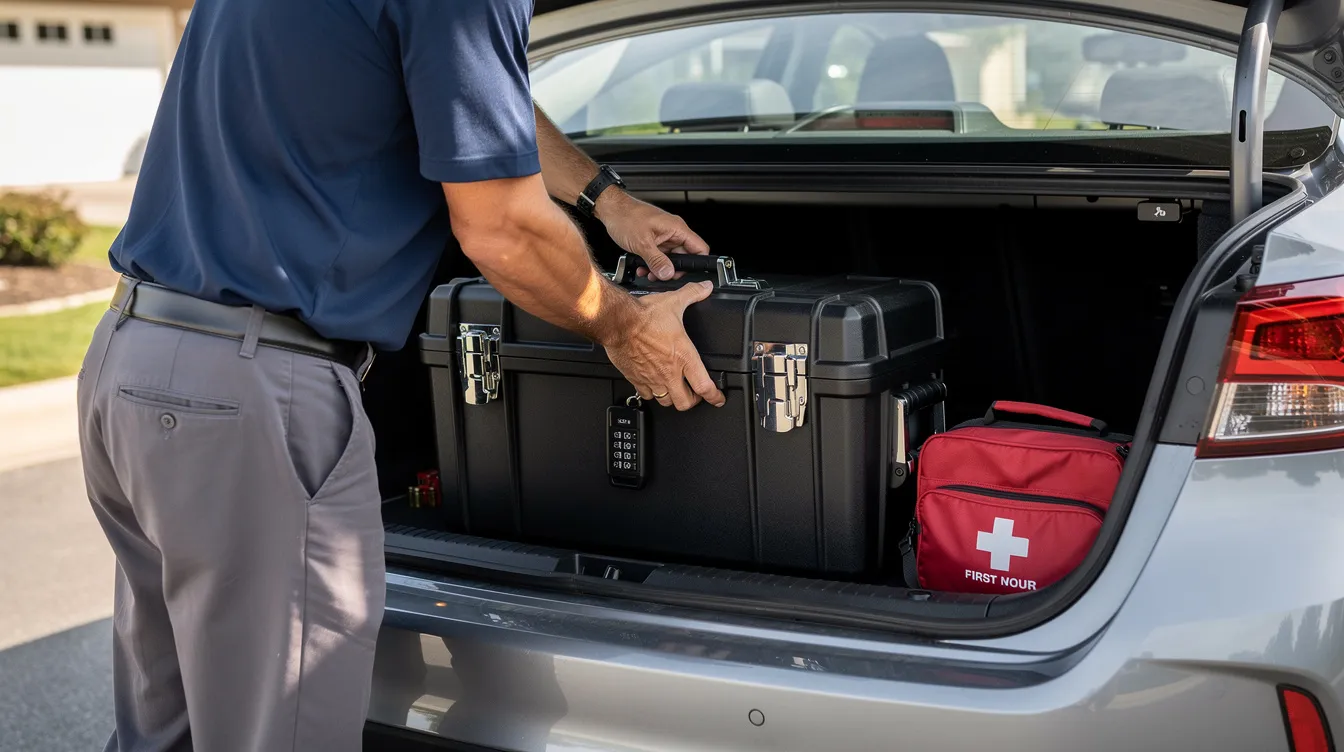
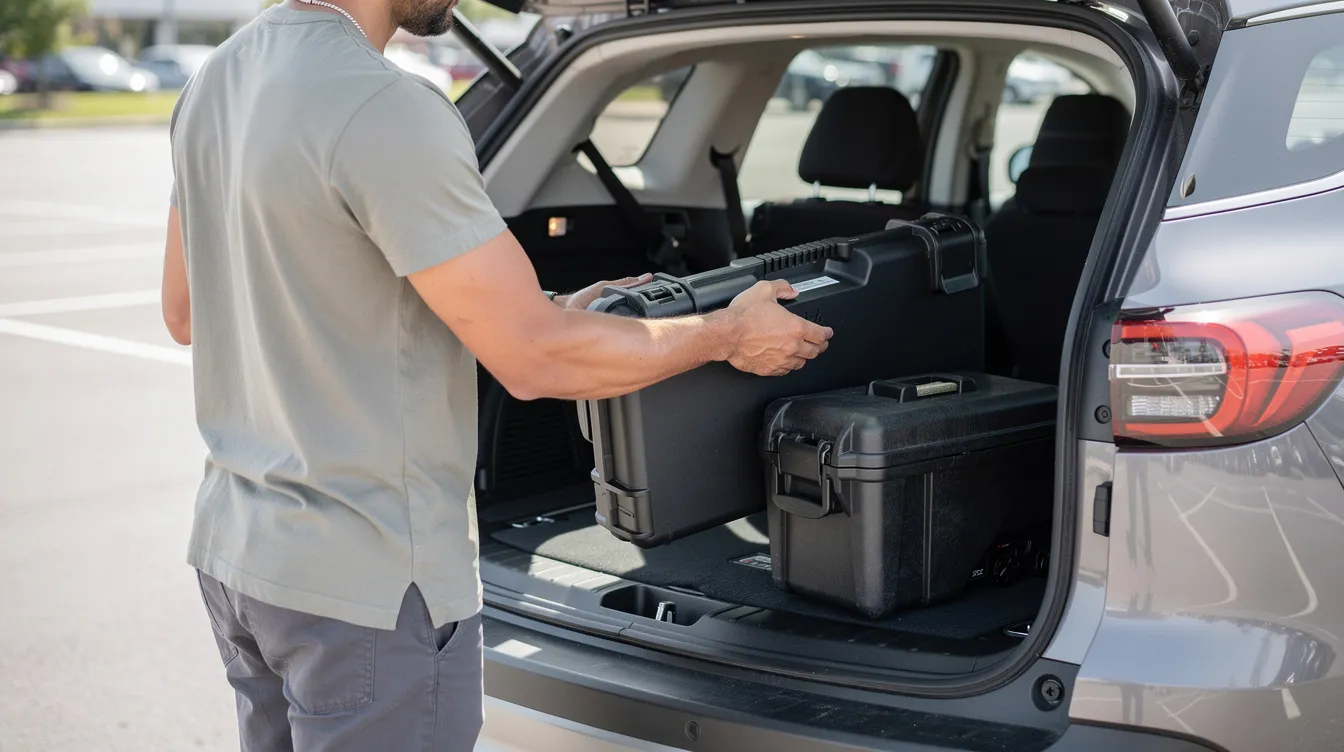
A License To Carry Firearms is required to transport handguns in most routine vehicle-carry situations, unless a narrow statutory exception applies, such as direct travel to or from a range, repair shop, home, or place of purchase. Firearms must be transported unloaded in Pennsylvania when relying on transport exceptions, and firearms and ammunition must be in separate containers when transported without carry authority.
Long guns cannot be transported loaded in Pennsylvania. Carrying a loaded long gun in a vehicle without a license is prohibited in Pennsylvania, and the safer rule is simple: do not transport loaded long guns in vehicles.
Philadelphia and special permits
City of Philadelphia has different regulations regarding carrying firearms because it is a city of the first class. Historically, a license was required for open carry on public streets in Philadelphia. Recent legal challenges, including Commonwealth v. Sumpter, have questioned that rule, but the risk is closely noted because the statute has not disappeared from the books.
A sportsman’s firearm permit is different from an LTCF. It may help certain people with a valid hunting license, fishing license, or trapping activity carry in limited sporting contexts, but it is not a general concealed carry permit.
Use of Deadly Force and Self‑Defense with Firearms
Pennsylvania allows force in self-defense under specific conditions. The core question is whether the person reasonably believed force was immediately necessary to prevent unlawful force, death, serious bodily injury, kidnapping, or sexual assault.
Pennsylvania has a “Stand Your Ground” law in limited public situations. The law allows deadly force without a duty to retreat when the defender is lawfully present, not engaged in criminal activity, and faces a qualifying threat, often involving a weapon capable of causing death or bodily injury.
Pennsylvania also has Castle Doctrine protections for homes, vehicles, and occupied structures. These rules can create presumptions in favor of a defender, but they are not automatic immunity from investigation.
Self-defense claims must be applied correctly to avoid charges. Misunderstanding self-defense laws can lead to criminal charges, civil lawsuits, and loss of gun rights. If a firearm is used, call 911, request medical help if needed, identify yourself as the victim or reporting party, and speak with counsel before giving detailed statements.
State Preemption and Local Gun Ordinances
Pennsylvania has strong state preemption. Local governments generally cannot regulate the ownership, possession, transfer, or transportation of firearms in a manner regulate reserved to the state.
This principle was reinforced in cases such as Ortiz v. Commonwealth, where Philadelphia and Pittsburgh attempts to regulate assault weapons were struck down. Terms like assault rifles and assault weapons are often used in political debate, but Pennsylvania’s statewide statutes control most firearm regulation.
Some municipalities still pass ordinances or resolutions on storage, lost-and-stolen reporting, public property rules, or “Second Amendment sanctuary” positions. These measures often face legal challenges because state laws usually control.
Act 192 of 2014 attempted to expand who could sue municipalities over local gun rules, including gun owners and groups such as the national rifle association, but the Pennsylvania Supreme Court later invalidated that act on single-subject grounds.
For practical purposes, gun owners traveling across Pennsylvania can usually rely on statewide rules, but local enforcement practices, posted buildings, parks, and events may still matter.
Other Important Laws and Restrictions for Gun Owners
Several important restrictions do not fit neatly into buying or carrying rules.
Restricted locations
Carrying firearms is prohibited in K-12 schools in Pennsylvania, subject to narrow and disputed exceptions such as a “lawful purpose” defense. Carrying firearms is prohibited in federal buildings and courthouses. Firearms are also tightly restricted in a court facility, state capitols, certain government buildings, and some protests or declared emergency areas.
Private property owners can ban firearms. Violating a posted policy may create trespass issues even if it is not always a separate firearms offense.
NFA and special weapons
Machine guns, suppressors, and short-barreled firearms must comply with the national firearms act. Unregistered possession can lead to severe state and federal penalties. Possession of prohibited offensive weapons may also trigger Pennsylvania charges.
Safe storage and children
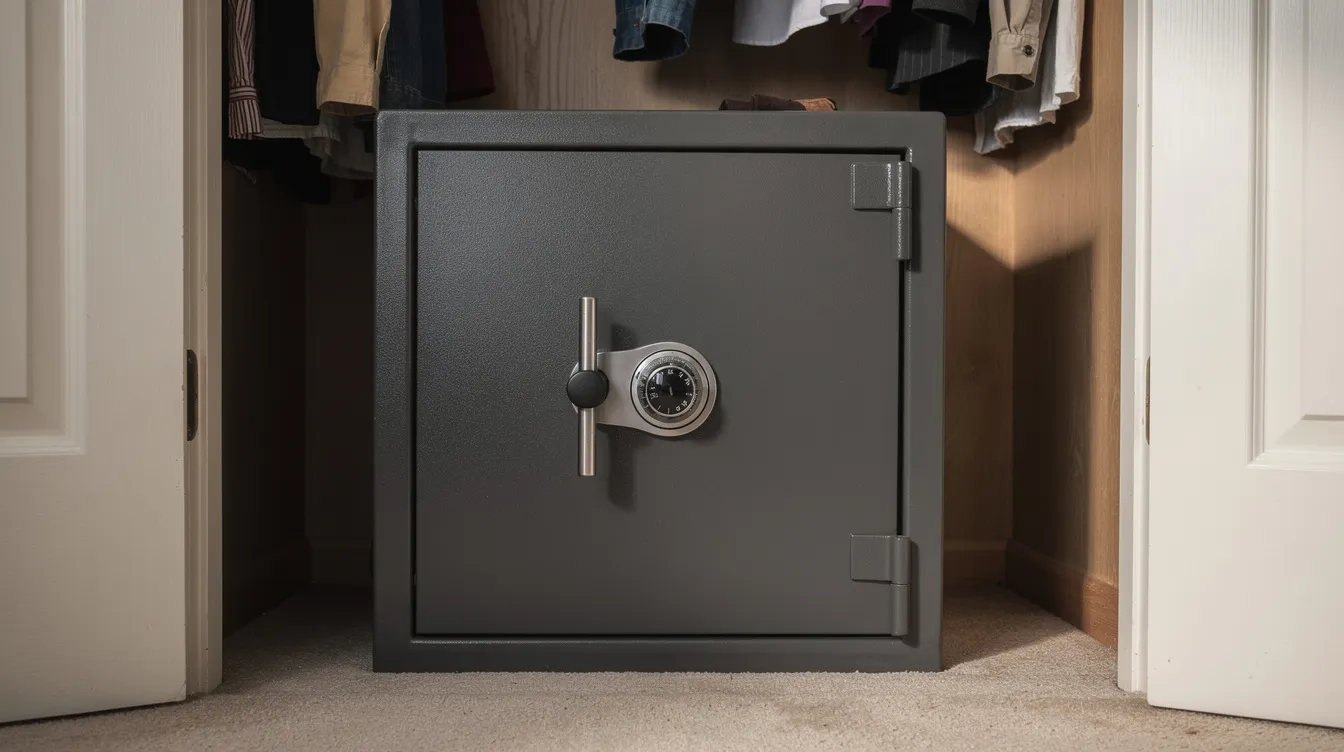
Pennsylvania does not mandate training for basic gun ownership or an LTCF, but responsible storage matters. Use a safe, lockbox, or locking device, and store ammunition separately when appropriate. Safe storage helps prevent accidents, theft, and unauthorized access by children or unlicensed individuals.
Penalties
Penalties for gun law violations can include imprisonment. A prohibited-person possession case may be charged as a felony. Some violations can be a first degree misdemeanor or another serious offense depending on the facts. Using a firearm during criminal activity, straw purchasing, or trafficking can bring enhanced punishment.
Pennsylvania does not have a general red flag law as of early-to-mid 2026, but courts can order firearm surrender through PFAs, bail conditions, probation terms, and mental health proceedings.
Practical Tips for Responsible Gun Ownership in Pennsylvania
Lawful gun ownership comes with legal and ethical responsibility. These steps can help protect your rights and reduce gun violence risks:
-
Take certified training in safe handling, storage, carry rules, and self-defense law.
-
Review current Pennsylvania State Police guidance before buying, selling, or transporting firearms.
-
Keep your LTCF and photo id accessible when carrying.
-
Store firearms locked, unloaded when not in use, and away from children, visitors, and prohibited persons.
-
Document private transfers with written records, even when not legally required.
-
Never lend a firearm to someone you know or suspect is prohibited.
-
Verify reciprocity before traveling, especially into states with stricter gun laws.
-
Be careful at gun shows; dealer sales still require background checks, and private transactions must follow handgun and residency rules.
Final Thoughts on Pennsylvania Gun Laws
Pennsylvania gun laws balance broad firearm ownership rights with strict rules for prohibited persons, background checks, concealed carry, vehicle transport, and use of deadly force. The main points are straightforward: know whether you may lawfully possess a gun, follow the correct transfer process, get a license to carry when required, and understand where firearms are prohibited.
The details can change through the pennsylvania general assembly, court rulings, and federal policy. Staying informed supports the rights of gun owners while helping prevent unlawful gun use and gun violence.
Before making a decision that could affect your freedom or firearm rights, verify the current law and consider speaking with a qualified attorney.
Frequently Asked Questions About Pennsylvania Gun Laws
Do I need a license to own a handgun or rifle in Pennsylvania?
No. Pennsylvania does not require a general license or permit simply to own a handgun, rifle, or shotgun, and there is no statewide registration system for most firearms. A license to carry is different: it is required for concealed carry, most handgun vehicle carry, and certain Philadelphia carry situations.
Can I carry a gun in a Pennsylvania school or on college property?
Carrying firearms is prohibited in K-12 schools in Pennsylvania, with limited and legally risky exceptions. Colleges and universities often ban firearms by policy, and violations can lead to discipline, job consequences, trespass issues, or criminal investigation. Assume firearms are not allowed unless you have clear written authority.
What happens if my Pennsylvania License to Carry Firearms expires?
An LTCF is typically valid for five years. Once it expires, you may no longer lawfully carry concealed, carry a handgun in a vehicle, or carry in places where a valid license is required. Start renewal early through the issuing sheriff or Philadelphia authority.
Are there special rules for non-residents carrying guns in Pennsylvania?
Yes. Non-residents may carry concealed if they have a Pennsylvania LTCF or a recognized out-of-state permit. Pennsylvania honors concealed carry permits from several other states, but recognition changes. Non-residents should check the current reciprocity list before traveling.
How do Pennsylvania gun laws address gun violence and illegal gun trafficking?
Pennsylvania imposes serious penalties for straw purchases, transfers to prohibited persons, illegal carrying, and firearm use during violent crimes. Law enforcement may work with federal agencies such as ATF on trafficking cases. Lawful owners can avoid problems by using proper transfer channels and never providing guns to prohibited people.
Meta tags
title
Understanding Pennsylvania Gun Laws: Essential Information for Owners
69/70
description
Navigate Pennsylvania’s gun laws with clarity. Get essential information every owner needs to stay informed and compliant. Read more to ensure your rights.
155/156