Virginia Gun Laws: 2026 Guide to Concealed Carry, Assault Firearms, and Recent Changes
Virginia Gun Laws: 2026 Guide to Concealed Carry, Assault Firearms, and Recent Changes
Virginia has enacted significant changes to its gun laws as of 2026, and whether you’re a first-time buyer, a longtime permit holder, or a visitor passing through the Commonwealth, staying current is no longer optional. This guide breaks down everything you need to know about concealed carry, the new assault weapons ban, background check rules, reciprocity, and more – all in plain language.
Key Takeaways
-
Virginia is a shall-issue state for concealed carry permits, meaning the state must issue a permit if you meet all eligibility requirements. Open carry remains generally legal for adults 18 and older without a permit.
-
A new assault weapons ban and magazine-capacity limit take effect July 1, 2026, restricting the future sale, manufacture, and transfer of certain semi automatic firearms and magazines capable of holding more than 15 rounds.
-
Virginia honors all valid out-of-state concealed carry permits for adults 21 and older, but concealed handgun permit reciprocity varies significantly when Virginians travel to other states.
-
Background checks are now required on most gun sales – including private transfers – and Virginia’s red flag law allows law enforcement to petition courts for temporary firearm removal from at-risk individuals.
-
Violations of virginia gun laws can result in misdemeanors, felonies, jail time, loss of firearm rights, and serious complications during future interactions with law enforcement. Always verify current statutes and local ordinances.
Overview of Virginia Gun Laws in 2026
As of mid-2026, Virginia’s firearms landscape looks dramatically different from just a few years ago. A wave of gun safety bills signed by Governor Abigail Spanberger in May 2026 – including SB 749 and HB 217 – introduced an assault weapons ban, magazine restrictions, and tighter transfer rules. These build on earlier reforms from 2020 and 2021 that expanded background checks, reinstated handgun purchase limits, and created a red flag law.
Virginia is a shall-issue state for a concealed carry permit, officially called a concealed handgun permit (CHP). The state generally allows open carry without a permit for adults 18 and older, though certain locations are restricted. Here’s a quick snapshot of the main legal pillars:
-
Who may possess firearms: Most adults who are not disqualified by felony convictions, domestic violence offenses, protective orders, mental health adjudications, or substance abuse history.
-
Open vs. concealed carry: Open carry is legal without a permit for those 18+. Concealed carry requires a valid concealed handgun permit for both residents and non-residents, with a minimum age of at least 21 years.
-
Background checks: Required for purchases from a licensed firearms dealer and for most private transfers since July 1, 2020.
-
New assault weapons ban: Effective July 1, 2026, the manufacture, sale, purchase, and transfer of defined assault firearms and magazines over 15 rounds are prohibited, with grandfathering for items lawfully possessed before that date.
-
Local regulation: Virginia law partially preempts local gun rules, but cities and counties can restrict firearms in certain government buildings, parks, and at a permitted event.
Concealed Carry in Virginia
Virginia requires a concealed carry permit for anyone who wants to carry a concealed handgun in public. Other concealed weapons like certain knives are governed by separate statutes.
Eligibility
To obtain a virginia concealed handgun permit, you must:
-
Be at least 21 years of age
-
Be a U.S. citizen or lawfully admitted resident
-
Not be prohibited from possessing firearms under state or federal law
-
Complete a state-approved firearms training course demonstrating demonstrated competence with a handgun
-
Not have a disqualifying criminal record, including felony convictions or violent misdemeanor convictions
Individuals with violent misdemeanor convictions are prohibited from obtaining a concealed carry permit. The same applies to anyone under a protective order, anyone adjudicated mentally incompetent, and anyone convicted of certain drug offenses.
Application Process
For residents, the application goes through the circuit court in the jurisdiction where the applicant resides. You’ll need a government-issued photo ID, proof of handgun competency (such as a certificate from a gun safety course), and a sworn written statement confirming your eligibility. Online applications for concealed handgun permits are now permitted in Virginia, though you should verify your local court’s procedures.
For non-resident permits, applications go through the virginia state police. The fee for non resident permits is approximately $100, compared to a cap of $50 for a virginia resident permit. Since January 1, 2021, nonresident applicants must use in-person safety training certificates – online-only certificates are no longer accepted for nonresidents.
The processing time for concealed carry permits is 45 days from the date a complete application is received. The circuit court must act – either issuing or denying the permit – within that window.
Validity and Renewal
A virginia concealed handgun permit is valid for five years. At renewal, you do not need to re-demonstrate handgun competency. You can apply for renewal between 90 and 180 days before expiration to avoid a lapse. If your permit expires, you’ll need to apply for a replacement permit. If you move, update your permit holder’s new address with the issuing court.
Where You Can and Cannot Carry
A valid concealed handgun permit generally allows you to carry a concealed firearm in most public areas and on most private property unless the owner has posted otherwise. However, there are clear prohibitions:
-
K-12 school property and school buses (though a permit holder may keep a firearm in a locked private motor vehicle in a school parking area)
-
Courthouses and certain government buildings
-
Secure areas of airports
-
Any state governed entity that has designated its premises as firearms-restricted
There is no general duty to inform a law enforcement officer during a traffic stop that you are carrying concealed, but officers can lawfully ask for your permit and photo ID. Always have your valid permit and ID ready.
Alcohol and Carrying
Carrying a concealed handgun while under the influence of alcohol or drugs is a Class 1 misdemeanor. You can carry into a restaurant or bar that serves alcohol as long as you hold a valid concealed handgun permit, but you must not consume any alcohol while carrying. The moment you drink, you’re breaking the law.
Open Carry and Vehicle Carry Rules
Open carry of firearms is legal in Virginia without a permit for persons 18 and older, subject to location-based restrictions. You do not need a concealed carry permit or any other state permit to openly carry a firearm in most public spaces.
Basic Open Carry Rules
Your firearm must be plainly visible – no attempt to hide it. While open carry is broadly legal on a public street or in most outdoor areas, certain locations in Virginia restrict the open carry of firearms. These include some local government buildings, libraries, parks, and recreation centers. Localities can ban open carry in specific public areas under authority granted by state law.
Brandishing a firearm in a threatening manner – even where possession is entirely legal – can result in criminal charges, especially if others are placed in fear. Open carry is a right, but it comes with the responsibility of not alarming others.
Vehicle Carry
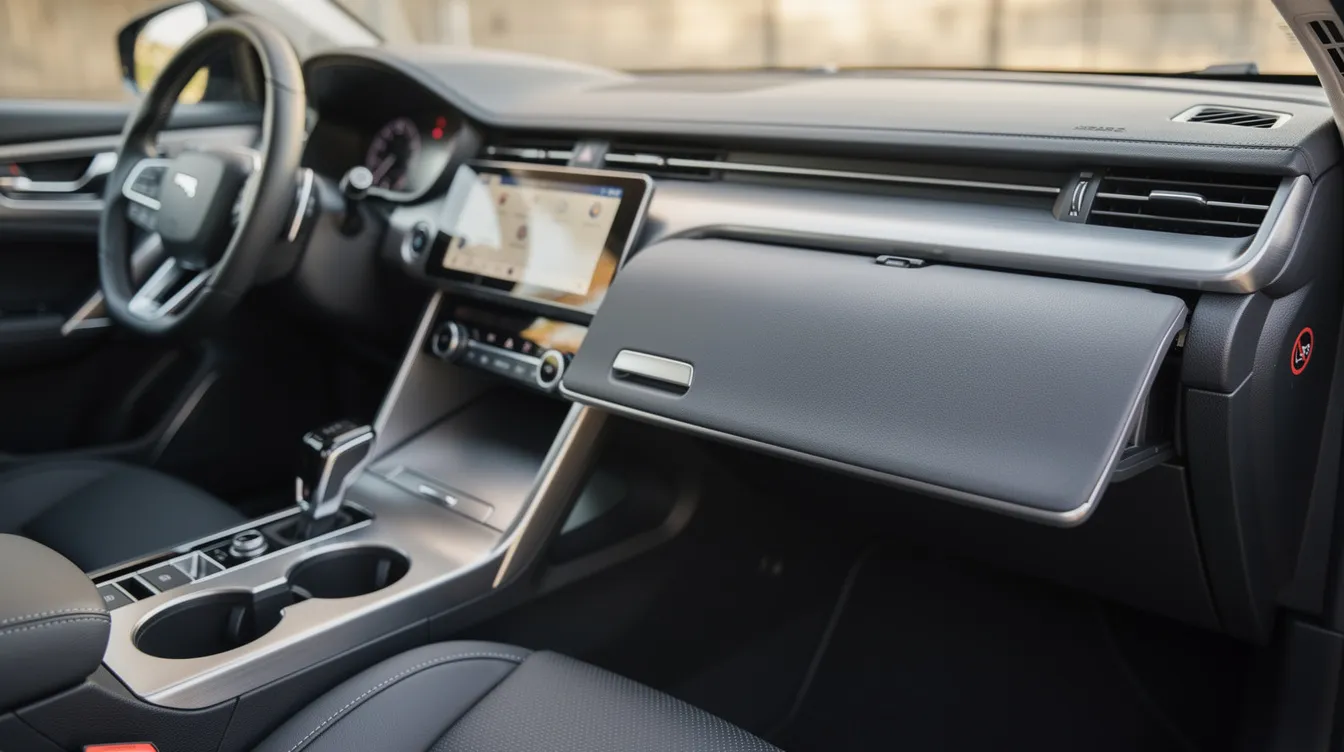
If you hold a valid concealed handgun permit, you can carry a concealed handgun in your vehicle without additional restrictions. Without a CHP, a handgun in a private vehicle remains lawful if it is secured in a container or compartment (such as a glove box, console, or trunk). The law does not require that the compartment be locked.
However, it is now a crime to leave a visible firearm in an unattended vehicle in Virginia. If you step away from your car, make sure any firearm is secured out of sight.
Private Property
Private employers and property owners may set their own rules about firearms on their premises. If a property owner asks you to leave because you are carrying, refusing can lead to trespass charges. Some states offer protections for firearms stored in a locked private motor vehicle in an employer’s parking lot, and Virginia provides limited protections in this area.
Traffic Stops and Law Enforcement
If you’re openly carrying during a traffic stop, stay calm. Keep your hands visible and let the officer know about the firearm if asked. Law enforcement officers are trained to handle these encounters, but clear and calm communication helps everyone.
Assault Weapons Ban and Magazine Limits (Effective July 1, 2026)
This is the single biggest change to virginia gun laws in recent memory. New gun safety bills created an assault weapons ban and magazine-capacity restrictions that take effect July 1, 2026. After that date, the manufacture, sale, purchase, transfer, and importation of defined assault firearms and large-capacity magazines are generally criminal offenses.
What Counts as an “Assault Firearm”?
Virginia’s assault weapons ban starts on July 1, 2026. The law uses a feature-based test to define what qualifies as an assault firearm. The ban includes specific features to define assault weapons, targeting semi automatic rifles, pistols, and shotguns that accept a detachable magazine (or have a fixed magazine holding more than 15 rounds) and include one or more of the following:
-
Folding, telescoping, or collapsible stocks
-
Pistol grips (on rifles)
-
Thumbhole stocks
-
Threaded barrels capable of accepting a suppressor or flash suppressor
-
Forward grips or second handgrips
-
Grenade or flare launchers
For pistols, two listed features are required. Shotguns are regulated under a one-feature test. Certain semi automatic shotguns that do not meet the feature test are exempt from the ban.
Excluded from the definition entirely are manually operated firearms (bolt-action, pump-action, lever-action), rimfire semi-automatic rifles (like .22 LR), antique firearms, and permanently inoperable firearms.
Concrete Examples
Consider a typical AR-15 configuration: a semi-automatic centerfire rifle with a detachable magazine, a pistol grip, and a collapsible stock. Under the new law, that firearm meets the definition of an assault firearm – its sale, manufacture, or transfer after July 1 is banned.
By contrast, a bolt-action hunting rifle with a fixed stock and a 5-round internal magazine remains completely legal. A pump-action shotgun is similarly unaffected. These firearms remain available for lawful hunting, sport shooting, and home defense.
Grandfathering
Firearms owned before July 1, 2026, are not affected by the possession ban. If you lawfully possess an assault firearm prior to the effective date, you can continue to keep, use, and transport it. However, you cannot sell or transfer it to another private individual within Virginia after that date. You can sell it to a licensed firearms dealer or transfer it to a lawful recipient out of state.
Magazine-Capacity Limit
Virginia prohibits the sale of magazines over 15 rounds after July 1, 2026. The ban prohibits magazines holding more than 15 rounds from being sold, manufactured, imported, or transferred after that date. If you already own such magazines, simple possession is grandfathered – but you cannot sell or transfer them within the state after the cutoff.
For example, if you buy a magazine capable of holding 30 rounds on June 30, 2026, you may keep it. But on July 1, selling that same magazine to a friend in Virginia becomes a criminal offense.
Penalties
Violations of the assault firearms provisions – including sale, manufacture, or transfer of such weapons after July 1 – are classified as a Class 1 misdemeanor. Upon conviction, the offender faces an additional three-year prohibition on purchasing, possessing, or transporting any firearm.
Legal Challenges
Gun-rights organizations including the national rifle association, Firearms Policy Coalition, virginia citizens defense league, Gun Owners of America, and the Second Amendment Foundation have filed federal and state lawsuits challenging the constitutionality of the ban. The supreme court has not yet weighed in on Virginia’s specific law, though its recent Second Amendment jurisprudence is shaping how lower courts handle similar cases. The outcome remains uncertain.
Gun Purchases, Background Checks, and Red Flag Law
Most commercial gun sales in Virginia require a background check conducted through the state police. This applies to purchases from a licensed firearms dealer, and – since July 1, 2020 – to most private transfers as well.
Buying from a Dealer
When you purchase a firearm from a licensed dealer, you fill out federal Form 4473 and the dealer contacts the firearms transaction center operated by the virginia state police. The check covers felony status, protective orders, mental health adjudications, drug-related disqualifications, and more. Virginia does not require firearms to be registered, with machine guns as the exception.
The minimum age to purchase handguns in Virginia is now 21 years. For long guns, the federal minimum of 18 applies.
Virginia also bans the manufacture and sale of unserialized firearms, or ghost guns.
Private Sales
Virginia requires background checks for private firearm sales. As of July 1, 2020, all sales must go through a dealer who runs the same background check process used for retail purchases. Private sales must use the same background check process as dealers. Notably, the state police were previously prohibited from running private sale checks – that prohibition was lifted when private sale background checks became law.
While enforcement of private sale background checks can be challenging, the legal requirement is clear: most handgun and long gun transfers between private parties must go through a licensed dealer.
One-Handgun-Per-Month
Virginia allows one handgun purchase per month per individual under the law reinstated in 2020. You cannot purchase more than one handgun in any 30-day period from a licensed dealer. Exemptions exist for concealed carry permit holders, active law enforcement, dealers, and situations involving trade-ins. This limit does not restrict how many handguns you can own – only how frequently you can buy them through gun sales at licensed dealers.
No Registration or Waiting Period
Virginia has no general statewide handgun registration requirement and no mandatory waiting period for most firearm purchases, though you remain subject to federal law requirements at the point of sale.
Red Flag Law (Substantial Risk Orders)
Virginia expanded red flag laws allowing certain individuals to petition for firearm removal. Officially called substantial risk orders, these allow a law enforcement officer or a commonwealth’s attorney to petition a court to temporarily prevent a person deemed dangerous to themselves or others from possessing or acquiring firearms.
Here’s how a typical scenario might play out:
-
A law enforcement officer or commonwealth’s attorney identifies good and sufficient reason to believe a person poses a substantial risk.
-
They petition the circuit court for an emergency substantial risk order.
-
If the court finds probable cause, it issues a 14-day emergency order. The individual must surrender firearms to law enforcement or a designated party.
-
A full hearing follows within 14 days. If the court finds clear and convincing evidence, a longer order (up to 180 days) may be issued.
-
When the order expires or is lifted, firearms are returned to the individual, assuming no other disqualifying conditions exist.
The program is administered with support from the virginia department of criminal justice services, and community services board or behavioral health authority input may be relevant when mental health factors are involved.

Prohibited Persons, Restricted Locations, and Penalties
Even in a state that broadly protects the right to bear arms and recognizes the importance of a well regulated militia, some people cannot lawfully possess firearms and some places remain off-limits regardless of permits.
Who Cannot Possess Firearms
Individuals with certain criminal convictions are prohibited from firearm possession in Virginia. The main categories include:
-
Persons convicted of any felony – violent felonies carry a mandatory minimum of five years for a felon-in-possession violation
-
Persons convicted of domestic violence misdemeanors (assault and battery of a family or household member)
-
Persons under active protective or restraining orders
-
Persons adjudicated mentally incompetent or involuntarily committed
-
Unlawful users of controlled substances
-
Non-citizens without lawful permanent resident status
-
Minors (under 18 for handguns; under 21 for certain semi automatic firearms under the new ban)
Restricted Locations
Even with a valid permit or while lawfully open carrying, you cannot carry firearms in these locations:
|
Location |
Notes |
|---|---|
|
K-12 school property and buses |
CHP holders may keep firearms in a locked vehicle in parking areas |
|
Courthouses |
Prohibited by statute |
|
Federal buildings (post offices, etc.) |
Governed by federal law |
|
Airport secure areas |
Past security checkpoints |
|
Certain government buildings |
Localities may designate specific buildings |
|
Juvenile detention facility |
Always prohibited |
A parent picking up a child at school with a firearm in the car is generally fine if the gun is secured in a locked private motor vehicle and the parent does not exit the vehicle with it. But carrying a concealed firearm onto school property on foot is illegal.
Penalties at a Glance
-
Felon-in-possession: Felony with mandatory minimum prison sentences, potentially served in a local or regional jail or state facility
-
Carrying concealed while intoxicated: Class 1 misdemeanor, potential permit revocation
-
Assault firearms violation (post-July 1, 2026): Class 1 misdemeanor plus 3-year firearms prohibition
-
Protective order violation with a firearm: Class 6 felony
-
Brandishing in a threatening manner: Misdemeanor, escalating to felony if on school grounds
Violations affect not only your immediate freedom but your ability to purchase firearms, hold a concealed carry permit, and interact with law enforcement in the future.
Reciprocity, Permitless Carry States, and Traveling with Firearms
Virginia honors all valid out-of-state concealed carry permits for individuals at least 21 years of age. If you’re visiting Virginia with a valid permit from another state, you can carry concealed – but you must follow all virginia law requirements while here. That means obeying location restrictions, magazine limits (after July 1, 2026), and alcohol prohibitions.
Which States Recognize Virginia Permits?
Roughly 35 states recognize the Virginia concealed handgun permit in some form. Concealed handgun permit reciprocity varies:
-
Full reciprocity states: Recognize both resident and nonresident Virginia permits
-
Restricted reciprocity: Some states only honor a virginia resident permit and not nonresident permits
-
No recognition: States like California, New York, New Jersey, Illinois, Maryland, Massachusetts, Hawaii, Delaware, D.C., Minnesota, Oregon, and Rhode Island do not recognize Virginia permits at all
Permitless (Constitutional) Carry States
Many states now allow permitless carry for residents and sometimes visitors. If you’re a Virginian traveling to one of these states, you may be able to carry concealed without a permit – but you must obey that state’s rules on age, locations, weapon types, and magazine capacity. Your permit remains valid as backup identification of training and eligibility.
Travel Examples
Suppose you drive from Virginia into West Virginia, which has permitless carry and recognizes Virginia permits. You can carry concealed there without concern. But if you continue into Maryland – which does not recognize Virginia permits and has its own assault weapons restrictions – you could face arrest for carrying a concealed firearm without a Maryland permit, and your magazines capable of holding more than 15 rounds might also violate Maryland’s 10-round cap.
Always verify current laws in your destination state before you carry firearms or transport such weapons across state lines. Carry both your physical concealed carry permit and a government-issued photo ID.
Law Enforcement Officers, Retired LEOs, and Special Rules
Active-duty and certain retired law enforcement officers enjoy expanded carry privileges under both virginia law and federal LEOSA (the Law Enforcement Officers Safety Act, also known as HR 218). This allows qualified officers to carry concealed firearms nationwide with fewer restrictions than civilians face.
Retired Officers
Qualified retired law enforcement officers in Virginia must meet annual firearms qualification standards to carry under LEOSA. The virginia state police and some local agencies issue qualification cards or documentation. When carried alongside a government-issued photo ID, these allow nationwide concealed carry.
Even under LEOSA, retired law enforcement officers must respect restrictions in secure airport areas, certain federal buildings, and private property where firearms are prohibited.
Armed Forces and Related Exemptions
Members of the armed forces with personal knowledge of handgun safety may qualify for CHP eligibility under Virginia’s training requirements. Military service often satisfies the demonstrated competence standard, though documentation requirements apply.
Officers and Civilian Interactions
During traffic stops or investigations, law enforcement officers interact with civilian gun owners regularly. If you’re carrying – openly or concealed – keep your hands visible, calmly inform the officer if asked, and present your valid permit and ID. Avoid reaching toward your firearm. An organized shooting competition, a day at the range, or a lawfully possessed firearm in transit are all routine scenarios officers encounter daily.
Gun Safety, Training, and Responsible Ownership
Understanding virginia gun laws is only half the equation. The other half is practicing strong gun safety at home, at the range, and everywhere in between. Gun violence prevention starts with responsible, informed gun owners.
Training That Satisfies CHP Requirements
Virginia accepts several forms of training for a concealed carry permit:
-
In-person handgun safety courses from certified instructors
-
Certain accredited online training programs (for residents; nonresidents must use in-person training)
-
Military or law enforcement experience documentation
-
Hunter education courses that include handgun components
-
Completion of an organized shooting competition or similar qualification
Applicants must complete a state-approved firearms training course. Look for courses approved by the virginia department of criminal justice services or endorsed by organizations with personal knowledge of Virginia’s requirements.
Safe Storage
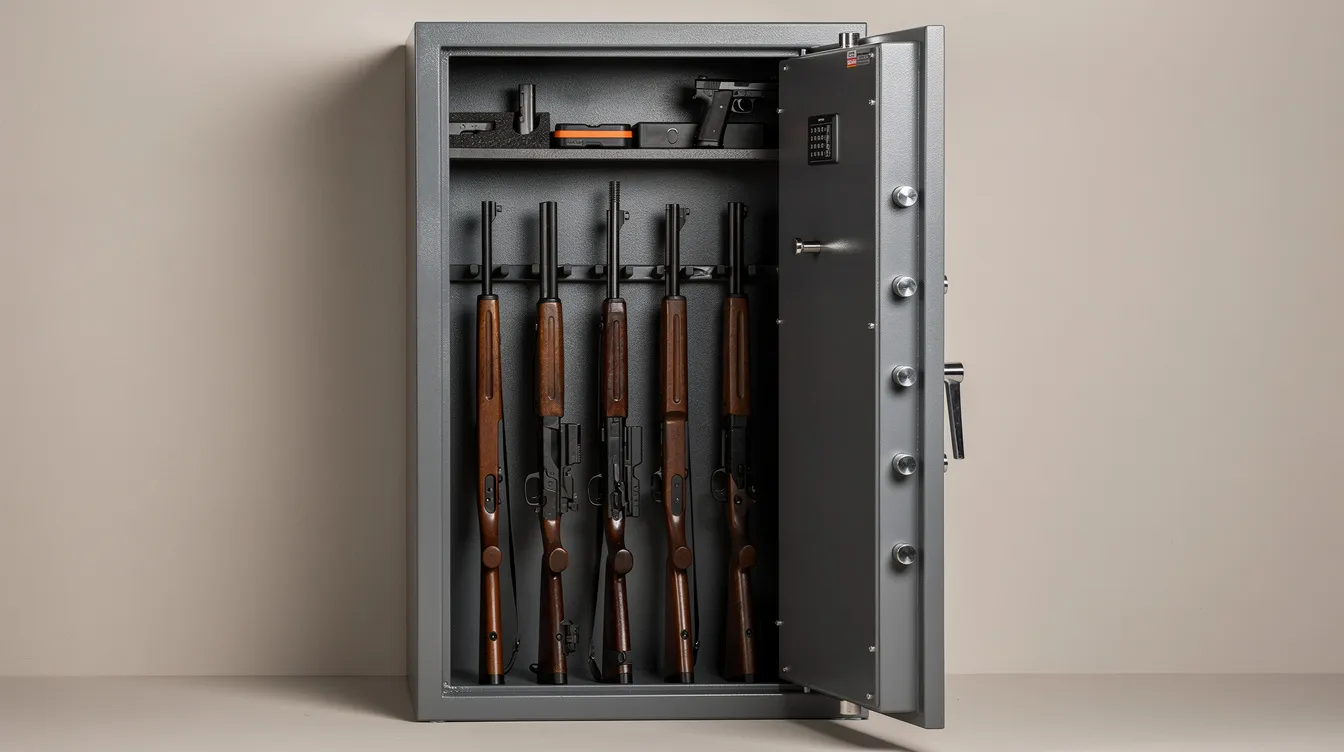
Firearms must be stored in a locked container in homes with minors present. This is both a legal requirement and a core principle of gun safety. Keeping firearms unloaded when not in use and storing ammunition separately adds another layer of protection.
Why Recent Laws Focus on Access and Weapons Types
Recent gun safety bills in Virginia have targeted two areas simultaneously: restricting access (through background checks, red flag laws, and purchase limits) and restricting specific weapon types (through the assault weapons ban and magazine limits). The logic behind gun violence prevention efforts is that reducing both the flow of firearms to prohibited persons and the availability of high-capacity weapons can reduce the harm from gun violence.
Whether you support or oppose these measures, staying informed about them protects you legally. Law abiding citizens benefit most from understanding exactly where the lines are drawn.
Stay Current
Refresh your training regularly. Attend a course every few years even if renewal doesn’t require it. Monitor legislative sessions and court rulings – especially with ongoing legal challenges to the assault weapons ban. What’s legal today may change after a supreme court ruling or a new session of the General Assembly. Reciprocity agreements, magazine limits, and carry rules are all subject to civil power and legislative evolution.
FAQ
Do I need a permit to buy a handgun or rifle in Virginia?
No separate purchase permit is required. However, buyers must pass a background check when purchasing from a licensed firearms dealer, and most private transfers must also go through a dealer for a background check. At the point of sale, federal Form 4473 and the state check through the firearms transaction center are standard. Virginia allows one handgun purchase per month per individual, but concealed carry permit holders are exempt from this limit. You must be at least 21 to purchase firearms classified as handguns.
Can I carry a gun on Virginia college or university campuses?
Virginia law does not create a blanket right to carry firearms on college or university campuses. Most public and private institutions have policies that effectively prohibit firearms for students, staff, and visitors on campus grounds and in buildings. Violating these policies can result in disciplinary action or trespass charges. Check each institution’s specific code of conduct before carrying on or near campus property.
Are “No Guns” or “No Weapons” signs legally enforceable in Virginia?
In most private settings, a sign alone does not create a separate firearms crime. However, if you ignore a posted policy and are asked to leave, refusing can lead to trespassing charges. In locations specifically restricted by statute – such as courthouses or school property – firearms are prohibited whether or not a sign is posted. A permit holder should respect posted policies to avoid escalation.
What happens to my Virginia concealed carry permit if I move to another state?
Your such permit may remain valid until its expiration date, provided you update your permit holder’s new address as required by the issuing court. However, your new state of residency may affect reciprocity – your Virginia permit might not be recognized locally. Contact your issuing circuit court (for example, lynchburg circuit court if that’s where you applied) or the virginia state police for current guidance. Most people should also apply for a concealed carry permit in their new home state to maintain uninterrupted carry privileges.
Can I own standard-capacity magazines over 15 rounds that I already had before July 1, 2026?
Under the new law, possession of magazines over 15 rounds that were lawfully possessed before July 1, 2026, is grandfathered. You can continue to lawfully possess them. However, you cannot sell, transfer, or give them to another private individual in Virginia after that date. Because enforcement details and grandfather clauses can evolve through regulation or court decisions, confirm current statutory language and consult an attorney for individualized advice about your specific situation.
Meta tags
title
Understanding Virginia Gun Laws: Key Changes and Current Regulations
68/70
description
Explore the latest changes in Virginia gun laws and understand current regulations. Stay informed and navigate the complexities of gun ownership—read more.
155/156