New York Gun Laws: A Practical 2026 Guide for Gun Owners and Travelers
New York Gun Laws: A Practical 2026 Guide for Gun Owners and Travelers
New York has some of the strictest gun control laws in the United States, and they apply to everyone inside state borders-regardless of where you bought your firearm or what your home state allows. Whether you’re a longtime new york residents gun owner, someone considering a purchase, or a traveler passing through, this guide breaks down what you need to know to stay on the right side of new york law in 2026.
Key Takeaways
-
New York has some of the strictest gun laws in the country. New York City rules are significantly stricter than the rest of the state, and out-of-state concealed carry permits are not recognized anywhere in new york.
-
York’s gun laws are built around mandatory licensing for handguns, universal background checks (including for most private sales), a 10-round magazine limit, and broad bans on many assault weapons under the ny safe act.
-
The minimum age to buy or possess handguns and most semi automatic rifle models is generally 21, with limited exceptions for certain military personnel and supervised youth firearm use.
-
Unlawful possession or transportation of a firearm in New York-even if legally purchased elsewhere-can lead to felony charges, mandatory prison sentences, and a permanent criminal record.
-
Anyone transporting, carrying, or buying guns in New York should confirm the latest rules with new york state police or qualified legal counsel, because state law, local laws, and enforcement practices change frequently.

Overview of New York’s Gun Laws in 2026
New York’s gun laws are primarily contained in Penal Law Article 265 (“Firearms and Other Dangerous Weapons”) and Article 400 (“Licensing and Other Provisions Relating to Firearms”). These statutes have been significantly shaped by two landmark developments: the ny safe act, signed into law on January 15, 2013, and the post-Bruen reforms enacted in 2022–2023 after the U.S. Supreme Court struck down the state’s old “proper cause” requirement for concealed carry.
New York does not honor any other state’s concealed carry permits. The moment you cross into the state, you must comply with new york state’s gun laws-no exceptions for out-of-state licenses.
It helps to understand the layered structure:
-
State law (penal law Articles 265 and 400, General Business Law § 898, and related statutes) applies everywhere in the state.
-
New York City imposes additional restrictions on top of state law, including permit requirements for rifles and shotguns that don’t exist elsewhere in york state.
-
Some counties may have their own local laws or varying processing times and procedures for licenses.
The New York SAFE Act regulates firearm licensing and ownership across the state, and the policy goals driving these laws include reducing gun violence, controlling assault weapons and high-capacity magazines, and tightening background checks-including for ammunition purchases. Background checks are required for all ammunition purchases in New York State, a provision that goes further than federal law.
The rest of this article walks through assault weapons, magazines, licensing, transport rules, private sales, safe storage, and appeals, then closes with an FAQ.
Assault Weapons and the NY SAFE Act
New York strictly bans the possession of many firearms classified as assault weapons, and the state’s assault weapons ban is among the strictest in the U.S. The restrictions were overhauled by the safe act signed January 15, 2013, and further adjusted in subsequent legislative sessions.
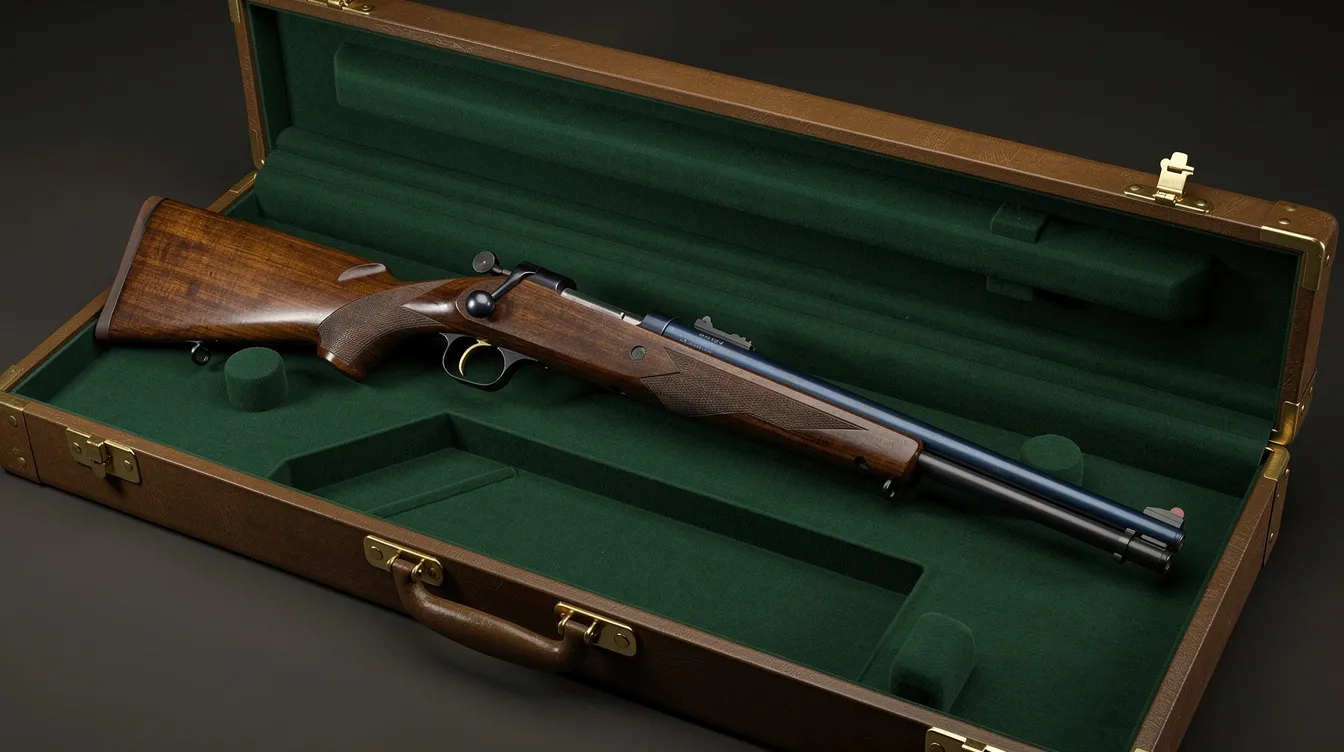
Most traditional hunting guns-bolt-action rifles, pump shotguns, lever-action rifles-are not classified as assault weapons under the new york definition. Many handguns, including single-shot pistols and most revolvers, are also excluded.
A firearm is considered an assault weapon based on design characteristics. Under state law defines in penal law § 265.00(22), a semiautomatic rifle that accepts a detachable magazine and has any one of the following features qualifies:
-
Pistol grip protruding beneath the action
-
Folding or telescoping stock
-
Thumbhole stock
-
Second handgrip or protruding grip
-
Bayonet mount
-
Flash suppressor, muzzle brake, muzzle compensator, or threaded barrel designed for such attachments
-
Grenade launcher
Similar one-feature tests apply to certain semiautomatic shotguns and semiautomatic pistols with military-style features. Pistol converters are classified as banned rapid-fire modification devices in new york as well.
Assault weapons must be registered if purchased before January 15, 2013. Owners of grandfathered weapons were required to complete assault weapon registration with the new york state police by April 15, 2014. After that date, the manufacture, sale, or transfer of assault weapons within the state is generally prohibited unless the weapon is properly registered.
As of 2026, anyone considering buying a semi automatic rifle or pistol in new york should check current safe act definitions and registration requirements through official state resources.
Magazine Capacity and Ammunition Limits
Since the mid-1990s, new york has generally limited magazine capacity. The safe act tightened these limits further in 2013–2014.
Here are the key rules as they stand:
-
Magazines in new york are limited to a maximum capacity of 10 rounds. Any magazine, belt, drum, or feed strip capable of holding more than ten rounds is classified as a “large capacity ammunition feeding device” under penal law § 265.00(23).
-
Magazines over 10 rounds must be modified or disposed of. Owners had until January 15, 2014, to modify, surrender to a law enforcement agency, transfer out of state, or sell to a licensed dealer.
-
Possession of a non-compliant magazine is a class d felony, punishable by 2 to 7 years in prison.
The safe act originally attempted to impose a seven-round loading limit-even in ten rounds magazines. That provision was struck down in federal court and upheld on appeal, so the current enforceable standard allows loading up to ten rounds in a compliant magazine.
New York City limits rifle and shotgun magazines to 5 rounds in many cases, which is stricter than the statewide rule. Hunters using semiautomatic guns must also follow specific round limits-most semi-automatic hunting guns may not be loaded with more than 6 rounds unless narrow exceptions apply (such as certain rimfire calibers). Consult New York State hunting regulations for season-specific details.
Regarding antique magazines: magazines manufactured over 50 years ago may interact with the ten-round limit differently-see the Antique Firearms section below.
Hunters and Sporting Firearms
New York remains a major hunting state, and most of the state’s gun laws have limited practical impact on traditional hunting practices.
-
Most bolt-action rifles, pump shotguns, and other common hunting firearms remain legal, provided they comply with magazine limits and other standard regulations.
-
Recent changes since 2013 generally do not affect typical hunting firearms beyond the 10-round magazine cap and specific shotgun capacity rules for bird and waterfowl hunting.
-
Semi-automatic rifles used for hunting must be carefully evaluated for compliance with assault weapon and fixed magazine capacity rules before being brought into the state.
Hunters should consult the New York State Department of Environmental Conservation for season-specific firearm and ammunition rules, including caliber limits and allowed methods for deer, turkey, and other seasons.
If you hunt with a semi automatic rifle, verify that your firearm doesn’t meet the assault weapon definition before using it in new york. A simple pistol grip or threaded barrel can push an otherwise common hunting rifle into the banned category.
Antique Firearms and Collectible Magazines
New york law treats some antique guns and magazines differently, particularly those manufactured more than 50 years ago. An antique firearm may be exempt from certain transfer prohibitions and from parts of the assault weapon definition-but only if the owner follows the required registration and licensing steps.
Key points for collectors:
-
Antique firearms are exempt from the assault weapon definition if registered with the state. If your antique rifle or pistol would otherwise qualify as an assault weapon, it may still be transferred legally in new york provided the new owner completes the required registration and licensing steps.
-
Antique magazines are exempt from the 10-round limit. Magazines manufactured over 50 years ago are considered antique and may be treated differently under state law. However, large-capacity magazines for antique guns (those holding more than ten rounds) must still be registered and cannot be freely traded like ordinary collectibles.
-
Registration procedures for antique assault weapons and magazines mirror the process used for other assault weapons.
Collectors should confirm current requirements with local licensing officers, as the rules around antique firearms and such firearm accessories can be nuanced.
Private Sales and Background Checks
New York requires a background check for almost all private sales and transfers of handguns, rifles, and shotguns. This includes many online arrangements where a firearm is shipped into the state. All firearm purchases require a background check in New York State-no exceptions for private parties outside of narrow family exemptions.
Here’s how it works:
-
A federally licensed firearms dealer (FFL), also called a licensed dealer, must facilitate the transfer and run the background check. York law allows the dealer to charge up to $10 for this service.
-
The background check uses both state and federal databases. The new york state police and the Division of Criminal Justice Services play central roles in processing these checks.
-
Intentional failure to conduct a required background check for a private transfer can be charged as a Class A misdemeanor (up to one year in jail and fines up to $1,000), and may carry additional state and federal consequences.
Family exemptions are limited. Transfers between spouses, domestic partners, children, and step-children are exempt from the background check requirement, but all other transfers between private parties must go through a dealer.
New York has also implemented a specialized merchant category code for firearms dealers, and firearms dealers must display warning notices about safety risks at their businesses-both relatively recent additions to the regulatory framework.
If you attend a gun show, the same rules apply. Every transfer at a gun show must go through a licensed dealer with a completed background check.
Safe Storage Requirements
New York expanded safe storage rules in recent years to reduce unauthorized access, particularly by minors and prohibited persons.
In vehicles:
-
Firearms left unattended in vehicles must be unloaded and securely stored out of sight. Since September 1, 2022, any firearm left unattended in a motor vehicle must be unloaded and locked in a hard-sided, tamper-resistant locked container that is fully hidden from view.
-
Glove compartments and standard glove boxes do not qualify as lawful storage. Use a dedicated lockbox or the vehicle’s trunk.
-
When a responsible adult remains with the vehicle, the storage container rule may not be strictly required-but careful securing of the firearm is still strongly recommended.
In homes:
-
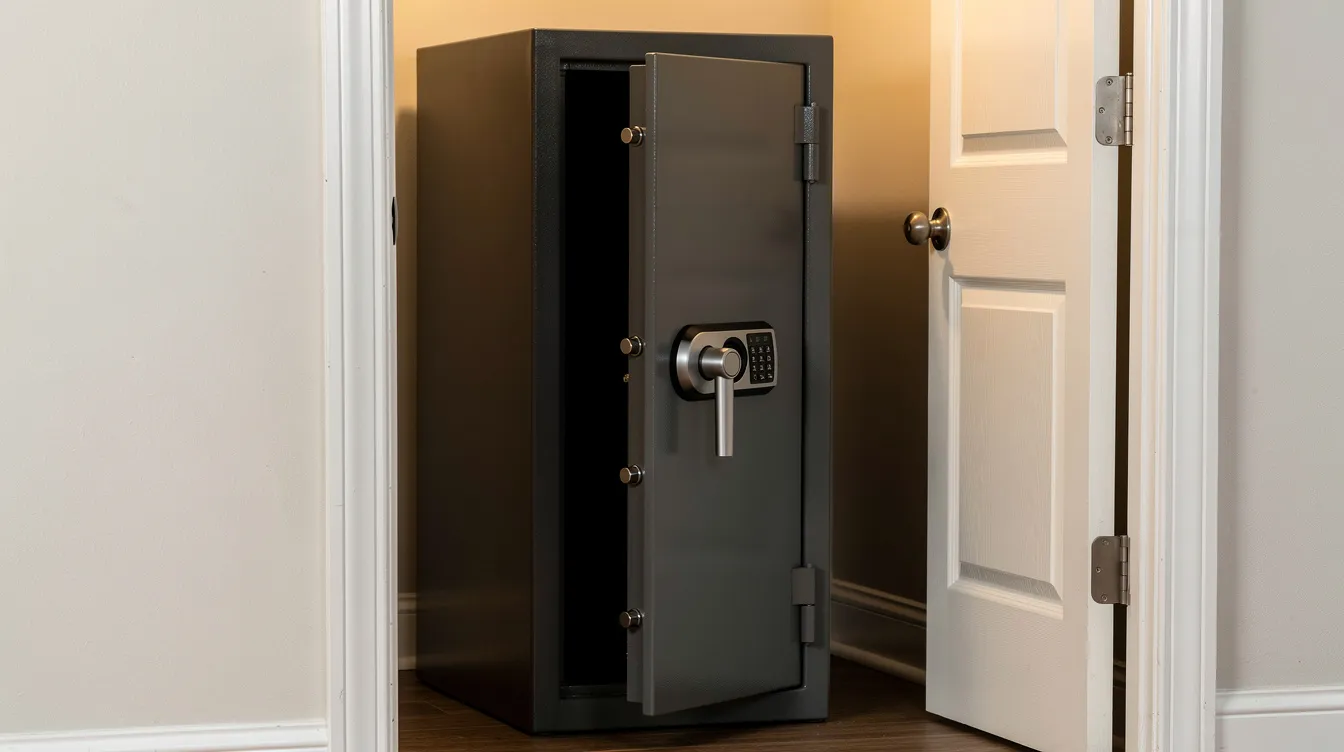
Guns must be securely stored-such as in a locked safe or with a gun locking device-whenever minors or prohibited persons could access them and the owner does not have the firearm under immediate control.
-
The safe act amendments ensure that local safe storage laws are not preempted by state law, meaning some municipalities may impose additional restrictions.
Failing to properly store a firearm that is later accessed by an unauthorized person can lead to criminal charges and civil liability.
Licensing, Carry, and Appeals
The Licensing System
New York’s licensing system for handguns is among the most involved in the country. A firearms license is required to possess handguns anywhere in the state, and as of recent laws, purchasing many semi-automatic rifles also involves licensing considerations. The process is overseen by county licensing officers (or, in New York City, the NYPD License Division) and the new york state police.
New York issues three types of pistol permits:
-
Premises-only licenses – authorizing gun possession at a specific location (home or business)
-
Restricted licenses – for target shooting, hunting, or participation in an organized competitive pistol match or organized match sanctioned by a recognized body such as the national rifle association
-
Unrestricted concealed carry licenses – authorizing carry concealed in most non-sensitive locations
Members of a university target pistol team at an accredited college, for example, may be eligible for restricted licenses tied to participation in such event activities and competitions.
Licenses for concealed carry are generally issued by county authorities. Applicants for handguns must be at least 21 years old. Narrow exceptions exist for honorably discharged veterans or active-duty military officer personnel in some jurisdictions. A person licensed under one county’s authority may have different restrictions than someone licensed elsewhere.
Eligibility and Training
To qualify for a carry license, applicants must demonstrate good moral character, pass state and federal background checks, and meet training standards. Applicants for a concealed carry license must complete a mandatory 16-hour training course approved by the state. The Concealed Carry Improvement Act (CCIA), passed after the Supreme Court’s Bruen decision, also requires:
-
Submission of four character references
-
Listing social media accounts used in the past three years
-
Completion of an in-person interview with the licensing officer
New York has strict regulations on carrying firearms in sensitive locations. Even with a valid license, carrying in designated “sensitive locations”-schools, government buildings, places of worship, public transportation-is prohibited and can lead to felony charges (Class E, up to 4 years). A federal appeals court struck down part of the CCIA regarding firearms on private property, but many CCIA provisions remain in force as of mid-2026.
The right to bear arms, as interpreted under the well regulated militia framework of the Second Amendment, has been the subject of extensive litigation in new york. Still, the state retains broad authority to regulate who may lawfully possess firearms and under what conditions.
Certain exemptions exist for a peace officer, police officers, a military officer on active duty, and those employed by a licensed security service-but these exemptions are narrow and do not extend to ordinary civilians.
Appeals
If your application is denied or your license revoked, you may appeal. Under penal law § 400.00(4-a), appeals of denials, renewals, recertifications, or revocations in certain counties are overseen by the new york state police and the Division of criminal justice services.
-
Appeals must be submitted in writing, usually within 90 days, to the appropriate Firearms License Appeals Officer.
-
Contact the official New York State Police firearms page or your county clerk’s office for the correct form and mailing address.
If your pistol permits or handgun licenses are revoked or denied, keeping detailed records of all correspondence and documents is essential.
New York State vs. New York City Rules
New York City enforces additional restrictions on top of statewide law, and the differences are significant enough to trip up even experienced gun owners.
|
Rule |
New York State (Outside NYC) |
New York City |
|---|---|---|
|
Rifle/shotgun permit required? |
No |
Yes-NYC requires permits for rifles and shotguns |
|
Handgun license required? |
Yes |
Yes (separate NYC license) |
|
Magazine limit (long guns) |
10 rounds |
5 rounds |
|
Out-of-city/state permit valid? |
Varies by county |
No-permits issued outside NYC are not valid in NYC |
|
Transport rules |
Unloaded, locked container |
Stricter-NYC has stricter transport laws for firearms than New York State |
New York State does not require permits for rifles and shotguns (outside NYC), but new york city requires a permit for all firearms purchases, including long guns. NYC permits are not valid outside the city limits, and conversely, pistol permits issued anywhere else in the state are not valid inside NYC.
NYC requires a special license for non-residents to carry firearms within the five boroughs. The nyc police commissioner oversees the NYPD License Division, and application fees are substantially higher-around $340 for a handgun license, compared to minimal fees in many upstate counties.
Carrying a loaded rifle or shotgun in NYC is a misdemeanor, even if you hold a valid NYC long gun permit but violate the conditions.
Any gun owner entering NYC should review NYPD licensing requirements, fees, and renewal schedules before bringing any firearm into the city limits.
Transportation, Travel, and Federal Protections
Gun owners traveling to, from, or through new york must understand transport rules carefully. Even lawful owners from other states can be arrested if they violate york state law.
State Transport Rules
-
New York does not recognize concealed carry permits issued by other states. Simply having an out-of-state permit does not authorize carry in new york.
-
All handgun possession requires a valid new york firearms license-whether open or concealed carry.
-
Guns must be unloaded and stored in locked containers during transport. Readily accessible ammunition can cause a firearm to be treated as a loaded firearm under state law, even if the gun itself isn’t loaded.
-
Only handguns listed on your license may be transported; carrying such handgun models not on your permit creates additional legal exposure.
Federal Protections (FOPA)
The federal Firearm Owners’ Protection Act (FOPA) can protect interstate travelers who are transporting unloaded firearms locked out of reach between two places where they may legally possess them. Under federal law, this protection applies when the firearm is unloaded, in a locked container, and separate from ammunition.
However, some new york jurisdictions treat FOPA as an affirmative defense rather than a bar to arrest. This means a person may still be arrested and must later assert FOPA in court. Travelers should not rely on it casually.
The number of firearms being transported can increase potential charges. Prosecutors may treat each actual gun as a separate offense under Article 265, leading to substantial cumulative penalties.
Privacy, FOIL Exemptions, and Recordkeeping
Pistol license records in new york are generally maintained by county clerks or licensing officers. Some information may be subject to public records laws without a specific exemption in place.
New York allows pistol license holders to file a Freedom of Information Law (FOIL) exemption request to keep their identifying information from being publicly released. Here’s how:
-
Obtain the current FOIL exemption form approved by the new york state police Superintendent.
-
Complete the form with your personal information, license number (if issued), and privacy justification.
-
Sign, date, and submit the form to your local licensing office.
The licensing office processes and records the exemption to protect the license holder’s privacy. Readers should obtain the current form and instructions directly from the New York State Police website or their county clerk’s office.
Gun Charges, Penalties, and When to Seek Counsel
Illegal gun possession or transportation in new york is treated very seriously, regardless of intent or where the gun was purchased.
Common Charges and Penalties
|
Charge |
Classification |
Potential Sentence |
|---|---|---|
|
Criminal possession of a weapon (loaded handgun, outside home/business) |
Felony |
3½ to 15 years |
|
Unlawful possession of a handgun (no license) |
Class E felony |
Up to 4 years |
|
Possession of large-capacity magazine |
Class D felony |
2 to 7 years |
|
Criminal possession of a weapon (unloaded handgun, no license) |
Felony |
Up to 4 years |
|
Firing a gun in public |
Varies |
Severe penalties |
Unlawful firearm possession in NYC is a felony. Penalties for illegal firearm possession include 3½ years in prison at minimum. Possessing a loaded handgun can lead to 3½ to 15 years imprisonment. Firing a gun in public can result in severe penalties, including lengthy prison sentences.
Good intentions or ignorance of york’s gun laws rarely prevent prosecution. Prosecutors often pursue felony records even for out-of-state visitors who believed they were compliant. A person who can legally possess a firearm in their home state may face criminal possession charges for unlawful possession the moment they cross into new york without a valid license.
What to do if contacted by law enforcement:
-
Do not assume your out-of-state license protects you.
-
Seek prompt advice from an attorney experienced in new york weapons law and other dangerous weapons charges.
-
Keep all licensing documents, receipts, and correspondence with new york state police or local licensing officials organized so you can demonstrate compliance or pursue an appeal.
Self defense claims do not override licensing requirements. Even if you have a legitimate reason for gun ownership, you must be properly licensed and in compliance with all state and local laws to legally possess or carry a firearm.
FAQ – New York Gun Laws
Can I carry a concealed handgun in New York with an out-of-state permit?
No. New York does not recognize any out-of-state concealed carry permits or licenses. Carrying a handgun in new york without a new york-issued license can result in arrest and felony charges. Limited federal protections for active law enforcement officers (such as LEOSA) exist but do not apply to ordinary civilians. If you are a peace officer or police officers visiting from another state under LEOSA, carry your credentials at all times.
What is the minimum age to buy or possess firearms in New York?
The minimum age is generally 21 to purchase or possess handguns under a new york pistol license, with narrow exceptions for certain military members (such as honorably discharged veterans). Post-safe act and more recent reforms often require purchasers of semi-automatic rifles to be at least 21 as well. Younger people may only use firearms under strict adult supervision for training or hunting purposes-they cannot independently possess handguns or purchase firearms of any type.
Are private sales of long guns without a dealer still legal in New York?
In most cases, no. Most private sales of rifles and shotguns must go through a licensed dealer who performs both a new york and federal background check. Specified transfers between close family members (spouses, domestic partners, children, step-children) may be exempt. Always keep written records of any exempt transfer, and confirm current exempt categories with a qualified attorney or the new york state police.
Do I need to register all my guns with the New York State Police?
New york requires licensing and registration for handguns and certain semi-automatic rifles and assault weapons. Ordinary non-assault-weapon rifles and shotguns outside NYC generally do not require statewide registration. However, new york city requires separate permits and registration certificates for most firearms, including long guns. Gun owners should check both state and local rules-especially if moving into or out of the city.
How can I verify the latest changes to New York’s gun laws?
Regularly review official sources:
-
The New York State Police firearms pages for licensing, registration, and safe act updates
-
The New York State Legislature website for updated statutes
-
Local county or NYC licensing offices for local rules and fees
Consulting a qualified new york firearms attorney or legal aid resource before making significant decisions about carrying, transporting, or modifying firearms is strongly recommended. The stakes for non-compliance are too high to rely on assumptions-and the law changes more often than most gun owners realize.
Meta tags
title
Understanding New York Gun Laws: A Comprehensive Guide to Compliance
description
Navigate New York’s complex gun laws with ease. This comprehensive guide offers essential insights for compliance. Read now to stay informed.