North Carolina Gun Laws: A Practical Guide for Gun Owners
North Carolina Gun Laws: A Practical Guide for Gun Owners
North Carolina gun laws strike a balance between protecting individual rights and imposing rules designed to prevent misuse. Whether you are a lifelong resident, a recent transplant, or simply passing through, understanding north carolina’s firearm laws is the difference between lawful ownership and a criminal record. This guide walks through everything from purchasing your first handgun to what happens if you carry in the wrong place.
Key Takeaways
-
North Carolina is generally gun-friendly. Open carry is legal without a permit for adults aged 18 and older, but carrying a concealed handgun or concealed firearm in most public places requires a valid concealed handgun permit.
-
As of March 29, 2023, North Carolina repealed its pistol purchase permit system. However, federal NICS background checks are still required for dealer sales of both handguns and long guns.
-
Firearms are prohibited in specific “sensitive” locations-including schools, courthouses, many government buildings, and posted private properties-even for permit holders.
-
The state recognizes concealed carry permits from all other states, and out-of-state visitors must follow the same location-based restrictions as North Carolina residents.
-
Violations of gun laws, including illegal firearm possession, carrying concealed weapons without authorization, or misuse of deadly force, can lead to serious criminal charges and long-term consequences that affect employment, housing, and civil rights.
Introduction to North Carolina Gun Laws
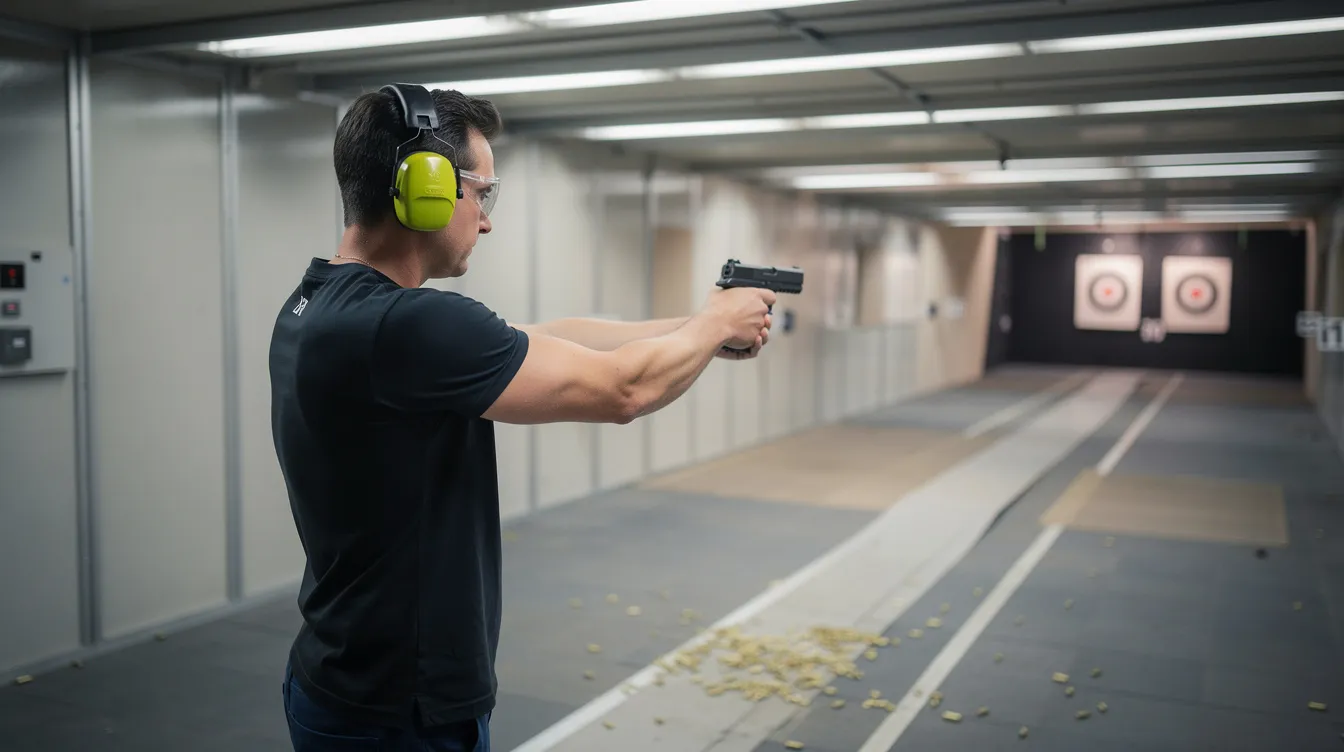
North Carolina gun laws are a combination of constitutional protections, state statutes, and court decisions that have evolved over decades. The aim is to balance the right to bear arms with public safety and the prevention of gun violence. Depending on whether you are openly carrying a rifle to a rural property or tucking a handgun in your waistband before heading to a Charlotte coffee shop, the legal standards differ significantly.
North Carolina recognizes both open carry and concealed carry, but the rules depend heavily on the location, the type of firearm, and the person carrying it. A law enforcement officer performing official duties, for example, may carry in places that are strictly off-limits to civilians. Military personnel and qualified retired officers also enjoy broader authority under both state and federal law.
This article provides an overview only. If you are facing criminal charges, navigating a complex legal situation, or dealing with specific legal issues related to firearms, consult a qualified North Carolina criminal defense attorney for advice tailored to your circumstances.
Constitutional Framework and Statewide Preemption
North Carolina’s state constitution and statutes set the foundation for all firearm regulations in the state. Before diving into specifics, it helps to understand where these rules come from.
The Right to Bear Arms in North Carolina
Article I, Section 30 of the state constitution secures the right of the people “to keep and bear arms.” However, unlike the federal Second Amendment, the North Carolina provision explicitly grants the general assembly the power to regulate carrying concealed weapons and to prescribe the manner in which arms may be borne. The constitution also includes language regarding standing armies, the subordination of military power to civil power, and the concept of a regulated militia necessary to the security of a free state.
This means that while amendment rights protect gun ownership, the north carolina general assembly has wide latitude to pass laws regulating how, when, and where firearms may be carried. The state legislature has used this authority extensively, enacting penal statutes that govern everything from concealed carry permits to prohibited locations and penalties for misuse.
Statewide Preemption
Under north carolina law, local government bodies-cities, counties, and any political subdivision-generally cannot create their own gun laws that conflict with or exceed state law. This statewide preemption ensures that firearm regulations remain consistent whether you are in Asheville, Raleigh, or a rural county.
There are limited exceptions. Local governments may:
-
Regulate the possession of firearms in publicly owned buildings
-
Set rules for parks and recreational facilities under their control
-
Regulate the display of firearms on sidewalks, alleys, and other public property they manage
Despite preemption, you will sometimes see “no guns” signs on businesses or local laws that appear to restrict firearms. Some of these are voluntary or symbolic. Others may be backed by valid ordinances or carry enforcement under state trespass laws. Always verify whether a posted restriction reflects enforceable local laws or simply a property owner’s preference.
Buying and Owning Firearms in North Carolina
This section covers the legal process for purchasing firearms, the background check system, and the basics of lawful ownership for both handguns and long guns.
The End of the Pistol Purchase Permit
One of the most significant recent changes to north carolina gun laws came on March 29, 2023, when senate bill 41 (Session Law 2023-8) repealed the state’s pistol purchase permit system. Prior to this, anyone purchasing a handgun in North Carolina needed either a pistol purchase permit issued by the local sheriff or a concealed carry permit.
The repeal eliminated the $5 fee for pistol purchase permits and unified the handgun and long gun purchase processes. Now, purchasing firearms follows the same basic procedure regardless of type: if you buy from a licensed dealer, you fill out ATF Form 4473 and undergo a background check through the National Instant Criminal Background Check System (NICS). Long gun purchases only require a valid ID and background check-and now handgun purchases at dealers follow the same pattern.
The old pistol purchase permit system had its roots in Jim Crow-era regulations. Some lawmakers cited this history as a reason for repeal during legislative debates around SB 41.
A few key points about buying guns in North Carolina:
-
A background check is required for firearm purchases from licensed dealers. Gun stores now conduct background checks via the NICS system for both handguns and long guns.
-
Background checks are mandatory for all firearm purchases through licensed dealers in North Carolina.
-
There are no limits on the number of firearms an individual can buy or sell at one time.
-
A valid north carolina concealed carry permit may substitute for a NICS check in some dealer transactions.
-
Private, in-state transfers between individuals do not require NICS checks under state law-but selling to someone you know is prohibited from possessing firearms is still illegal.
Who Cannot Own Firearms
Both state law and federal law prohibit certain individuals from possessing firearms. Broadly, these include:
|
Category |
Examples |
|---|---|
|
Felony convictions |
Individuals with felony convictions are prohibited from possessing firearms under G.S. 14-415.1 |
|
Domestic violence |
Individuals under domestic violence protective orders or with qualifying DV misdemeanor convictions |
|
Mental health |
Persons who have been adjudicated guilty of certain offenses or committed to mental institutions |
|
Substance abuse |
Any unlawful user of a controlled substance |
|
Court orders |
Individuals subject to certain restraining orders or pending trial for disqualifying offenses |
Legal possession of a firearm requires that none of these disqualifying conditions apply. The categories above are not exhaustive-consult an attorney if you are unsure about your eligibility.
No Registration Required
North Carolina does not require general firearm registration. No state handgun registration system exists, and local governments are barred from creating their own. This applies to all firearms, including handguns, rifles, shotguns, and even a machine gun lawfully possessed under federal law.
Open Carry vs. Concealed Carry in North Carolina
Understanding the difference between open carry and concealed carry is critical, because the legal standards-and potential consequences-are very different.
Open Carry
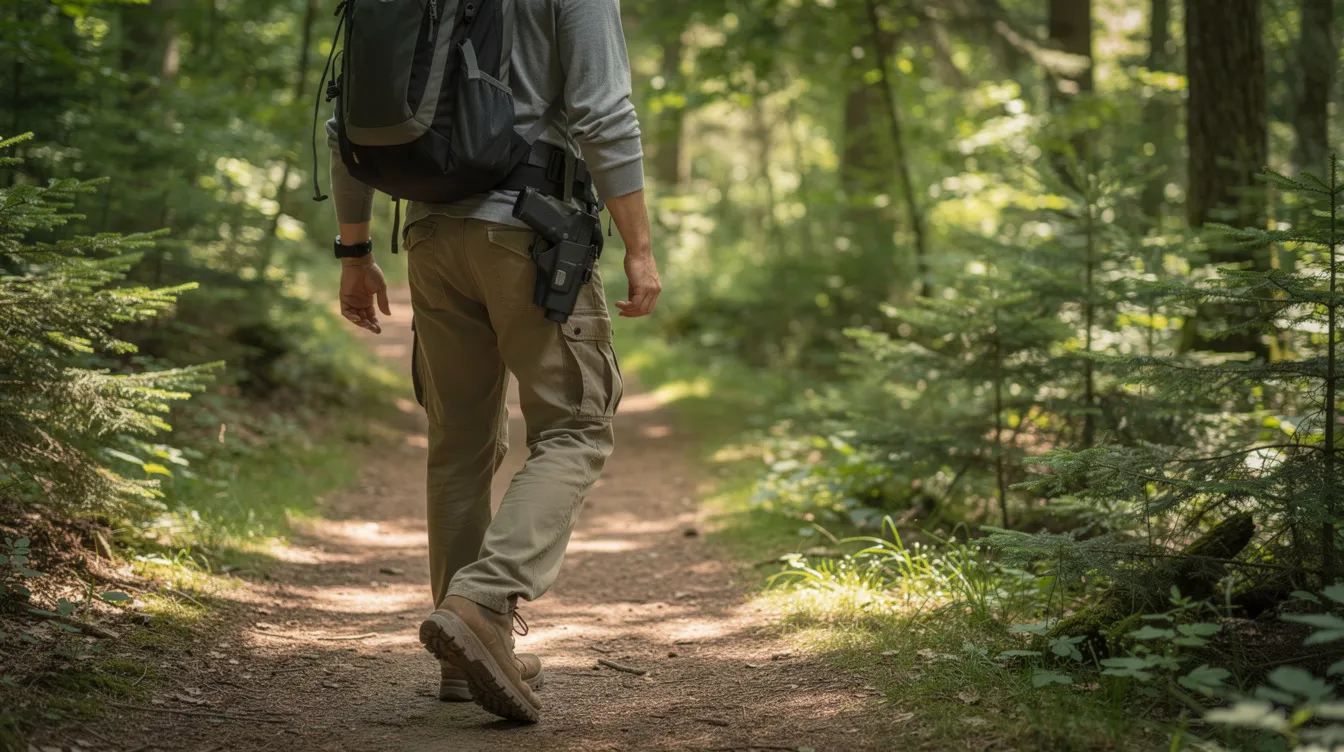
Open carry is legal in North Carolina without a permit. If you are at least 18 years old and lawfully allowed to possess a firearm, you may carry a handgun, rifle, or shotgun in plain view in most public places. You must be at least 18 years old to open carry a handgun. Openly carrying a long gun is subject to somewhat less age-related restriction, but the same location rules apply.
Open carry is allowed in roadside rest areas in North Carolina and across most public spaces, but it is prohibited in schools and government buildings, and you cannot open carry in businesses with “No Weapons” signs.
Concealed Carry
Concealed carry requires a valid permit in North Carolina. A concealed weapon-any handgun hidden from ordinary observation on your body, in a bag, under clothing, or otherwise not plainly visible-may only be carried by someone holding a valid concealed handgun permit or a recognized out-of-state permit. Without that authorization, carrying a concealed firearm is a criminal offense.
The Line Between Lawful Carry and Criminal Conduct
Carrying any firearm-open or concealed-in a manner intended to terrify or alarm the public can result in criminal charges under North Carolina’s common-law offense of “going armed to the terror of the people.” The distinction between lawful open carry and this offense depends on intent, manner, context, and the effect on bystanders. Simply having a holstered handgun on your hip in a grocery store is generally legal. Brandishing it, waving it around, or using it to intimidate crosses the line.
Concealed Carry Permit (CHP) Requirements
North Carolina is a “shall issue” state for concealed carry permits. This means that if you meet every statutory requirement, the sheriff must issue the permit-there is no subjective “good cause” standard. Here is what you need to know to carry concealed handguns lawfully.
Basic Eligibility
To apply for a state permit, you must:
-
Be at least 21 years old
-
Be a U.S. citizen or lawful permanent resident
-
Have been a North Carolina resident for at least 30 days immediately before applying
-
Be legally able to possess a firearm under both state law and federal law
-
Not suffer from a physical or mental infirmity that prevents safe handling of a handgun
-
Not have been adjudicated guilty of or received a prayer for judgment continued for a felony or certain disqualifying misdemeanors
Disqualifying Factors
Common ineligibility grounds include:
-
A felony conviction at any time
-
Certain violent misdemeanor convictions within three years prior to application
-
An impaired driving offense within three years prior
-
Domestic violence convictions or active protective orders
-
Disqualifying mental health adjudications or involuntary commitments
-
Being an unlawful user of a controlled substance
-
Having charges pending trial for a disqualifying offense
-
Any condition administratively determined to impair safe handling
Training Requirement
Applicants must complete an approved firearms safety and training course of at least eight hours. The course must include:
-
Instruction in laws governing the use of deadly force and carrying a concealed handgun
-
A written examination on those laws
-
Actual firing of a handgun on a shooting range to demonstrate proficiency
You must have successfully completed the course before submitting your application. The NC Criminal Justice Education and Training Standards Commission sets guidelines for approved instructors. Only courses that include live-fire practice count-online-only courses do not satisfy the requirement.
Application Process
You apply through the sheriff’s office in the county where you reside. The process includes:
-
Submit a sworn application with your training certificate
-
Provide fingerprints and valid identification
-
Pay the $80 application fee (renewals are approximately $75)
-
Undergo a background check conducted by the sheriff’s office
A concealed handgun permit is valid for five years. Renewal requires a similar process, though training may differ. Processing times vary by county but generally take several weeks.
Where You Can and Cannot Carry a Firearm
Location-based restrictions apply to both open carry and concealed carry. Some locations remain off-limits even to a permit holder, and sometimes even to a law enforcement officer when not on duty.
Prohibited Places Under North Carolina Law
Under G.S. 14-415.11(c) and related statutes, firearms are prohibited in the following locations:
|
Location |
Notes |
|---|---|
|
Educational property |
K–12 schools, school buses, most college campuses |
|
Courthouses |
Any building housing the General Court of Justice |
|
Government buildings |
State and local government buildings, the state capitol building, and any building housing only state or federal offices |
|
Correctional facility |
Jails, prisons, detention centers |
|
Assemblies and demonstrations |
Parades, picket lines, a funeral procession, and similar gatherings |
|
Alcohol-serving establishments |
Bars and restaurants where alcohol is served and consumed on-premises |
|
Secured airport areas |
Beyond TSA screening checkpoints |
Firearms are prohibited in schools, government buildings, and bars where alcohol is served. Carrying in these places can result in criminal charges, permit revocation, and potential loss of gun rights. Penalties may be more severe if the offense occurs on school property or during a crime of violence.
Private Property and Posted Signs
On private property, the rules depend on signage and the type of carry. If a property owner posts conspicuous notice prohibiting concealed handguns-typically a sign at entries-permit holders must comply. Violating this is a specific firearms offense. For open carry on posted private property, refusing to leave when asked is typically handled as trespass rather than a firearms charge.
A permit holder who wants to gain access to a business or private venue should check for posted signs before entering while armed.
Local Government Facilities
Although statewide preemption limits what a local government can do, municipalities may lawfully regulate possession in publicly owned buildings and certain recreational areas. Verify local ordinances before carrying in a city-owned community center, park facility, or similar venue.
Firearms in Vehicles and What Counts as Concealed
Many North Carolina gun charges arise from how a firearm is stored or carried in a motor vehicle. The distinction between lawful transport and unlawful concealed carry often comes down to visibility and accessibility.
What Counts as Concealed in a Vehicle
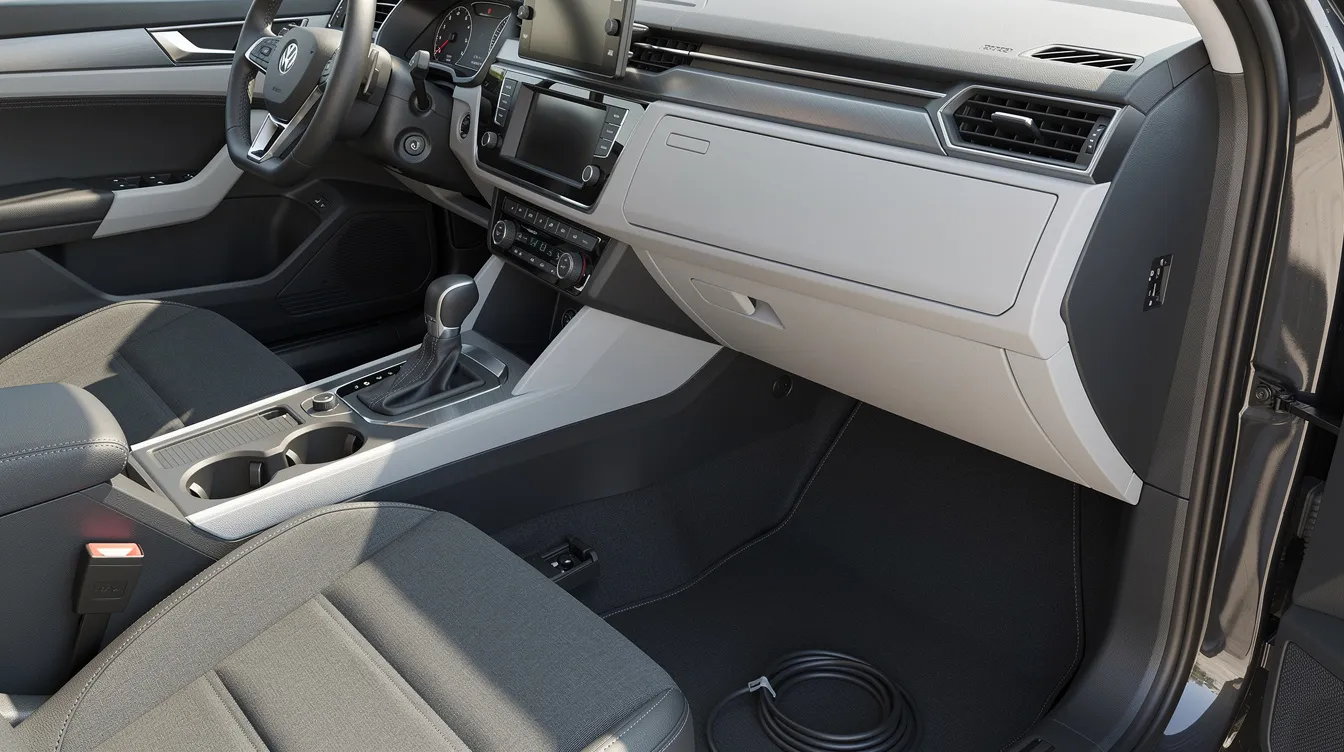
Under north carolina law, a handgun is considered concealed in a vehicle if it is:
-
Hidden from ordinary observation (not plainly visible)
-
Readily accessible to occupants
Placing a handgun in a locked glove box, an unlocked center console, under a seat, or inside a bag within arm’s reach all typically count as concealed carry. A valid concealed carry permit is required in those situations.
Lawful Transport Without a Permit
North Carolina allows individuals to carry guns in vehicles with specific conditions. If you do not hold a valid permit, you may transport a firearm in your vehicle if it is:
-
Openly visible: on the dashboard, passenger seat, or similarly displayed
-
Not readily accessible: stored in a locked container, locked trunk, or locked glove box so that occupants cannot quickly reach it
Firearms must be stored in a locked container in vehicles if you want to keep them out of sight without a concealed carry permit. The key factor is whether the firearm is both hidden and reachable.
Common Mistakes
Placing a handgun in an unlocked glove box or hidden compartment typically counts as concealed carry and requires a valid concealed carry permit. Repeat violations of vehicle carry rules can escalate from misdemeanor to felony charges for illegal firearm possession or unlawful concealment.
Special Rules for Law Enforcement, Military, and Out-of-State Permits
Certain individuals enjoy broader carry authority under both state and federal law, but they are still bound by many North Carolina restrictions.
Law Enforcement Officers
The federal Law Enforcement Officers Safety Act (LEOSA) allows qualified active and retired law enforcement officers to carry concealed handguns across state lines, including in North Carolina. Officers must carry valid identification showing their status. However, LEOSA does not override all location-based restrictions-“no-gun” zones like courthouses and schools may still apply depending on the specific statute.
Within North Carolina, active law enforcement officers performing official duties are generally exempt from many of the concealed carry restrictions that apply to civilians.
Military Personnel
Some active-duty military personnel and members of the armed forces may carry in circumstances that would be prohibited for civilians, depending on their duty status and assignment. The relevant North Carolina statutes provide carve-outs for service members acting in an official capacity.
Out-of-State Permits
North Carolina recognizes concealed carry permits from all other states. This broad reciprocity, which took effect on December 1, 2011, does not require mutual recognition-meaning NC honors your out-of-state permit even if your home state does not honor NC permits. Out-of-state visitors carrying under their home state’s permit must still follow all North Carolina location restrictions, signage rules, and alcohol-related prohibitions. You can verify current reciprocity details on the NC Department of Justice website.
Use of Deadly Force and Self-Defense in North Carolina
Owning or carrying a firearm comes with serious responsibilities, especially when it comes to using deadly force. North Carolina law provides a framework for self-defense, but the rules are nuanced and fact-specific.
Basic Self-Defense Framework
Under G.S. 14-51.3, a person may use deadly force when they reasonably believe it is necessary to prevent imminent death, great bodily harm, or certain violent felonies against themselves or another person. The key word is “reasonably”-what a reasonable person in the same situation would have believed under the circumstances.
Important limitations:
-
You may not use deadly force against a law enforcement officer lawfully performing official duties
-
You may not claim self-defense if you were the initial aggressor or were engaged in unlawful activity at the time
-
The force used must be proportional to the threat faced
Castle Doctrine and Stand Your Ground
The Castle Doctrine and Stand Your Ground principles are recognized in North Carolina. Under G.S. 14-51.2, if someone unlawfully and forcibly enters your home, workplace, or motor vehicle, you are presumed to have held a reasonable fear of imminent death or serious bodily harm. That presumption shifts the burden to the state to disprove it.
Outside of the home, workplace, or vehicle, North Carolina’s statutes do not explicitly require retreat if the person is not the aggressor and is in a place where they have the right to be. However, every situation is fact-specific and will be scrutinized by law enforcement officers and courts.
Improper use of deadly force can result in charges such as manslaughter or murder, regardless of whether the shooter held a concealed carry permit.
Impact of Recent Federal Developments on North Carolina Gun Laws
Recent U.S. Supreme Court decisions and federal gun safety legislation influence how north carolina gun laws are interpreted and enforced. The federal government has been active in this space, and the ripple effects reach every state.
The Bruen Decision
The Supreme Court’s 2022 decision in NYSRPA v. Bruen established that any modern firearm regulation must be consistent with the historical tradition of firearm regulation in the United States. This ruling supports North Carolina’s “shall issue” concealed handgun permit system-since it does not impose a subjective “good cause” requirement-while raising questions about the constitutionality of certain restrictions in “sensitive places.”
Courts may continue to review North Carolina gun restrictions to ensure they align with historical traditions of firearm regulation under the Second and Fourteenth Amendments. This means that some current prohibited-place rules could face legal challenges in the years ahead, affecting amendment rights broadly.
Red Flag Laws and Domestic Violence Provisions
Recent bipartisan federal gun safety laws expanded funding for extreme risk protection order programs (often called “red flag laws”) and broadened the definition of “crime of domestic violence” for federal prohibition purposes. However, as of mid-2026, the state legislature has not enacted a statewide red flag law in North Carolina. Any such law remains under discussion but is not yet on the books.
Penalties for Violating North Carolina Gun Laws
Even technical violations of firearm rules can result in criminal charges, loss of rights, and long-term consequences. Understanding the penalty structure helps you appreciate why compliance matters.
Common Offenses
|
Offense |
Classification |
Potential Penalties |
|---|---|---|
|
Carrying concealed without a permit |
Class 2 Misdemeanor |
Fine, up to 60 days jail |
|
Carrying in a prohibited location (school, courthouse) |
Class I Felony (G.S. 14-269.2) |
Up to 24 months in prison |
|
Possession by convicted felon (G.S. 14-415.1) |
Class G Felony |
Up to 47 months in prison |
|
Going armed to the terror of the people |
Class 1 Misdemeanor |
Up to 150 days jail |
|
Carrying while impaired |
Misdemeanor |
Fine, possible jail, permit revocation |
Long-Term Consequences
Certain convictions can lead to permanent loss of gun rights under both North Carolina and federal law. A felony conviction, for example, permanently bars firearm possession under both state and federal prohibitions. Convictions may also affect employment, housing, professional licenses, and your ability to serve in the armed forces.
Beyond criminal penalties, violations can result in:
-
Mandatory forfeiture of the firearm involved
-
Revocation of a concealed handgun permit
-
Ineligibility for future permit applications
-
Enhanced penalties for repeat offenses
If you are facing investigation or charges, seek prompt legal support from experienced attorneys who handle North Carolina firearm cases. A criminal defense lawyer can evaluate the facts, identify defenses, and protect your rights at every stage.

Frequently Asked Questions About North Carolina Gun Laws
Can I carry a gun in my car in North Carolina without a concealed carry permit?
Yes, but with conditions. You may keep a gun in your vehicle without a permit if it is either clearly visible-for example, on the dashboard or openly displayed on the passenger seat-or stored in a way that is not readily accessible, such as in a locked trunk or locked container. Placing a handgun in an unlocked glove box, center console, or otherwise hidden but reachable by occupants is usually considered concealed carry and requires a valid concealed carry permit.
Is North Carolina an open carry state?
Yes. North Carolina generally allows open carry of firearms without a permit for adults aged 18 and older who can legally possess a gun. However, open carry is still prohibited in many locations, including schools, courthouses, and posted private properties. Displaying a gun in a threatening or alarming way can lead to criminal charges even if the firearm is technically in plain view.
Does North Carolina have a red flag law or extreme risk protection order process?
As of mid-2026, North Carolina does not have a statewide red flag law allowing courts to temporarily remove firearms from individuals deemed at high risk of gun violence. Federal funding exists to support such programs, and the federal government has encouraged states to adopt them, but North Carolina lawmakers have not yet passed such legislation. This may change in future legislative sessions.
Are background checks required for private gun sales in North Carolina?
Federal law requires NICS background checks for most sales by licensed firearm dealers, but does not generally mandate them for purely private, in-state transfers between individuals. While not always legally required, using a licensed dealer to process a private sale through a background check can reduce legal risk and help prevent illegal firearm possession by ensuring the buyer is not a prohibited person.
Do I have to tell a law enforcement officer that I am carrying a concealed handgun?
Yes. North Carolina law requires that when you are approached or addressed by a law enforcement officer on official duties-such as during a traffic stop-you must immediately disclose that you are carrying a concealed handgun. You must also present your concealed carry permit and valid identification upon request. Failing to notify the officer, or failing to show both documents, can result in legal consequences including fines, criminal charges, and potential impact on your permit status.
Can I buy as many guns as I want at one time in North Carolina?
Yes. There are no state-imposed limits on the number of firearms an individual can buy or sell at one time. However, each purchase from a licensed dealer requires its own background check, and dealers may flag patterns that suggest straw purchasing or trafficking, which are federal offenses.
What happened to the $5 pistol purchase permit fee?
The $5 fee for pistol purchase permits was eliminated when North Carolina repealed the pistol purchase permit requirement on March 29, 2023. The new law unifies handgun and long gun purchase processes, so buyers no longer need to visit the sheriff’s office or pay a fee before purchasing a handgun from a dealer. Gun stores now conduct background checks via the NICS system for all firearm types.
Meta tags
title
Navigating North Carolina Gun Laws: A Guide for Responsible Owners
66/70
description
Learn about North Carolina gun laws and ensure responsible ownership. Get the essential information you need to stay compliant and informed. Read more!
151/156