Montana Gun Laws: 2026 Guide to Open Carry, Concealed Carry, and Firearm Regulations
Montana Gun Laws: 2026 Guide to Open Carry, Concealed Carry, and Firearm Regulations
Key Takeaways
Montana is a constitutional carry state with relatively permissive gun laws, updated here through June 2026. In the treasure state, adults 18+ who are legally allowed to possess firearms may generally open carry statewide without a permit requirement, and since House Bill 102 took effect on February 18, 2021, most law-abiding adults may carry a concealed firearm in many public places without a concealed carry permit.
-
Montana allows permitless carry for many adults, but federal law and “prohibited person” rules still apply.
-
A concealed weapons permit is still useful for reciprocity, some federal Gun-Free School Zone exceptions, and background check exemptions in certain dealer purchases.
-
Open carry is broadly legal, but courthouses, schools, federal facilities, airports, and private property can still create serious restrictions.
-
State lawmakers eliminated much of the old permit requirement in 2021, but Montana did not eliminate every carry restriction.
-
This guide is educational, not legal advice; if your rights, charges, or possession status are uncertain, talk to a Montana attorney.
Overview of Montana Gun Laws and Second Amendment Protections
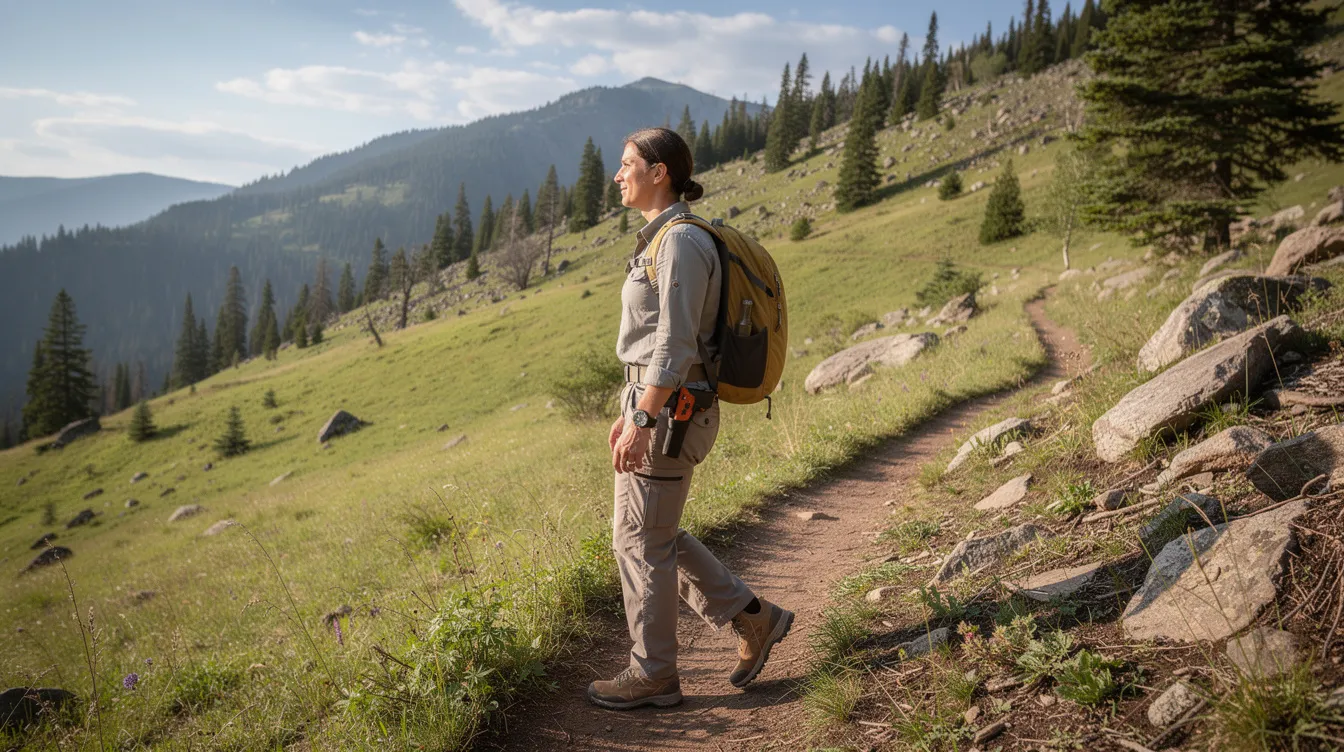
Montana has a long reputation as a gun-friendly, rural state where firearm ownership is common for self-defense, hunting, ranch work, sport shooting, and outdoor life. Household firearm ownership is part of the culture in many communities, and guns are often treated as tools as well as symbols of personal security and independence.
Montana’s gun laws are shaped by the second amendment and by the montana constitution. Article II, Section 12 of the Montana Constitution protects the right to keep and bear arms for security and defense of self, family, home, and state, as well as for lawful hunting and recreation. You can review the constitutional text through the Montana Legislature’s constitution page.
State law also gives Montana broad preemption over local governments. That means cities such as Billings, Missoula, Bozeman, Great Falls, Helena, and Butte generally cannot create their own separate gun laws that are stricter than state law, except in narrow areas such as certain publicly owned buildings, discharge rules, or an ordinance dealing with an occupied building. The preemption statute is found in Montana Code Annotated § 45-8-351.
The biggest recent shift came from House Bill 102 in 2021. The montana legislature expanded permitless concealed carry, clarified open carry protections, and limited how local governments could regulate carrying in some public settings. HB 102 also required colleges and universities in the Montana University System to allow more campus carry, but that part was later struck down by the Montana Supreme Court.
Compared with some other states, Montana has fewer laws directly targeting gun violence. There is no statewide assault weapon ban, no magazine capacity cap, no general waiting period, and no universal background check requirement for private sales. Critics sometimes describe this as the state’s weak laws or even rank Montana among states with the worst gun laws from a gun-control perspective, while supporters see the same framework as strong protection for citizens and constitutional rights.
Who Can Legally Possess a Firearm in Montana?
Montana relies heavily on federal law to determine who may legally own, carry, or possess a firearm. A person who is prohibited under federal law cannot lawfully possess a handgun, rifle, shotgun, or other firearm in Montana, even if state carry rules are otherwise permissive.
Basic age rules are important. Adults 18+ may generally possess and carry firearms under Montana law if they are not otherwise prohibited. Under federal rules, a person usually must be 21 to buy a handgun from a licensed dealer, while buyers 18+ may purchase rifles and shotguns from Federal Firearms Licensees. Supervised minors may lawfully use firearms in many hunting, sporting, ranching, and family contexts, but possession and transfer rules can become fact-specific.
Federal prohibited persons under 18 U.S.C. § 922(g) include felons, certain domestic violence misdemeanants, people under qualifying restraining orders, unlawful users of controlled substances, people adjudicated mentally defective or committed to mental institutions, fugitives from justice, and certain others. The federal statute is available at 18 U.S.C. § 922.
Montana law adds some state-specific restrictions. For example, firearm possession may be limited for people convicted of certain violent offenses, people subject to particular protective orders, probationers or parolees under supervision conditions, and people whose sentence included a dangerous-weapon enhancement. A court may also restrict possession as part of sentencing, supervision, or protection orders.
Restoration of rights can be possible after some Montana convictions, but it is not automatic in every case. Usually, the person must complete the sentence, satisfy supervision conditions, and sometimes seek court action. If your legal status is unclear, do not guess; a short consultation with a qualified attorney can prevent an unlawful possession charge.
Open Carry in Montana
Open carry of a handgun or long gun is generally legal in Montana without a permit requirement for adults who can lawfully possess firearms. In practice, open carry might mean a sidearm in a visible holster, a rifle slung over the shoulder, or a shotgun carried during lawful hunting or outdoor activity.
After HB 102, state law sharply limited what counties and cities can do to restrict open carry in public places. Local governments may still regulate certain conduct in publicly owned and occupied buildings, and specific state or federal rules can still prohibit firearms in sensitive areas. That means the general rule is permissive, but location still matters.
Key places where openly carried firearms may be restricted include courtrooms, federal buildings, secure areas of airports, some law-enforcement facilities, and K–12 school properties. Open carry can also create legal problems near protests, schools, government meetings, or public events if the circumstances suggest intimidation, disorderly conduct, reckless endangerment, or another unlawful act.
Also, do not assume that unconcealed carrying protects you from every other law. If someone is intoxicated, threatening others, displaying a weapon in a reckless way, or refusing to leave private property after being asked, the fact that open carry is normally legal will not necessarily prevent charges.
Concealed Carry and Concealed Weapon Permits
Carrying a concealed firearm generally means carrying a concealed handgun or other concealed gun hidden from ordinary view, such as under clothing, in a purse, in a backpack, or in a vehicle compartment not readily visible. The phrase carrying a concealed weapon can also appear in older legal materials, so read the statute or policy carefully.
Since February 18, 2021, Montana has been a permitless concealed carry state for most law-abiding adults. In everyday terms, most adults 18+ who may lawfully possess firearms do not need a concealed carry permit to carry concealed in many public settings inside Montana.
That does not make the state permit obsolete. Montana still issues Concealed Weapon Permits through the county sheriff, and permit holders may benefit from reciprocity in other states and streamlined firearm purchases from licensed dealers. The Montana Department of Justice, led by the attorney general, maintains information on permits and reciprocity on its Concealed Weapons page.
Typical CWP eligibility includes being at least 18, being a Montana resident for the required period, being a U.S. citizen or lawful permanent resident, showing familiarity with a firearm through approved training or hunter education, and passing required background checks. The county process may involve fingerprints, an application fee, and review of disqualifying criminal or mental health records.
Montana also created an enhanced license option for some applicants who want broader reciprocity. A standard concealed weapon permit may be enough for many residents, but an enhanced permit can matter when traveling to a state with stricter training standards.
Where Concealed Carry Is Allowed and Restricted
Permitless concealed carry is broad, but it is not unlimited. Montana law still identifies places where carrying is prohibited, restricted, or controlled by another authority.
Common restricted locations include certain court spaces, secure law-enforcement areas, federal buildings, school properties, and posted private property. State and local government offices may also have rules for a publicly owned building, especially if a security service is screening visitors or if the space is used for official proceedings.
College and university campuses require special attention. HB 102 attempted to broaden campus carry and required colleges in the Montana University System to accept more firearms on campus. But in Board of Regents of Higher Education v. State, the Montana Supreme Court held that the Board of Regents has constitutional authority over the university system and struck down the campus-carry mandate as applied to those universities. You can read the decision at Justia’s case page.
Private property owners, businesses, employers, churches, and event venues may prohibit both open and concealed carry. Ignoring a posted no-guns policy or refusing to leave after notice can lead to trespass consequences, even if carrying would be legal somewhere else.
Alcohol is another area where caution matters. Montana does not treat every restaurant that serves alcohol the same way, but carrying while intoxicated, handling a firearm irresponsibly, or violating a posted policy can quickly turn lawful concealed carry into a criminal case.
Buying, Selling, and Background Checks for Firearms in Montana
Montana follows federal rules for firearm purchases from licensed dealers. When buying from a Federal Firearms Licensee, the buyer completes ATF Form 4473, provides identification, and goes through the National Instant Criminal Background Check System unless a valid qualifying permit is accepted as an exemption.
There is no statewide universal background check requirement for private, face-to-face firearm sales between Montana residents. State law also does not impose a waiting period or registration requirement for ordinary rifles, shotguns, or handguns.
|
Transaction type |
Montana rule in 2026 |
|---|---|
|
Dealer handgun purchase |
Federal Form 4473, NICS check or qualifying permit exemption, buyer generally 21+ |
|
Dealer rifle or shotgun purchase |
Federal Form 4473, NICS check or qualifying permit exemption, buyer generally 18+ |
|
Private in-state sale |
No state background check requirement, but seller must not knowingly transfer to a prohibited person |
|
Interstate sale or other transfer |
Must follow federal law and often must go through an FFL |
Some Montana Concealed Weapon Permit holders may experience streamlined NICS processing, but a permit is not a shield against federal disqualifiers. If a person is prohibited, the transaction is still unlawful.
Private sellers should document transfers responsibly, verify Montana residency when relevant, avoid suspicious buyers, and never sell to someone they know or reasonably believe is prohibited. Crossing state lines changes the rules, and many interstate transfers must go through a licensed dealer.
Gun-Free Zones, Schools, and Sensitive Locations
Sensitive locations are places where open carry and concealed carry are more heavily restricted by state or federal law. These rules matter because Montana’s constitutional carry law does not override federal statutes, court security orders, school policies, or every posted restriction.
The federal Gun-Free School Zones Act generally restricts firearm possession within 1,000 feet of K–12 school property, with specific exceptions. One key exception can involve a license issued by the state after a background check, which is one reason a concealed weapons permit may still matter even in a permitless carry state.
Actual school grounds, school buses, and school-sponsored events are usually much stricter than the surrounding 1,000-foot zone. Local school districts may have policies that trigger administrative consequences, trespass removal, or criminal investigation if firearms are brought into prohibited areas.
Federal facilities inside Montana are another major category. U.S. Post Offices, federal courthouses, secure airport areas, and some federal agency offices can prohibit firearms even when the surrounding public land allows them. A Forest Service trail may be different from a Forest Service office building.
Travelers should also remember that Idaho, Wyoming, North Dakota, South Dakota, and other nearby states have their own definitions of gun-free zones and sensitive places. The moment you cross a border, Montana law stops being the controlling law.
Montana Gun Violence, Self-Defense, and Use-of-Force Laws
Montana has less large-city gun violence than some parts of the country, but firearm harm remains a serious issue. Gun suicides, domestic violence incidents, hunting accidents, and negligent handling cases affect families and the broader community in an average year. Public health researchers have repeatedly noted that rural states can have an especially high rate of firearm suicide, even where homicide rates are lower.
Montana’s self-defense law includes stand your ground principles. A person who is lawfully present generally has no duty to retreat before using force if the person reasonably believes force is necessary to prevent imminent unlawful force. Deadly force has a higher standard and is usually tied to preventing death, serious bodily harm, or certain forcible felonies.
Montana also has castle doctrine-style protection for homes, occupied vehicles, and places of business. When someone unlawfully enters a dwelling, the defender may have legal presumptions supporting the reasonableness of fear, depending on the facts.
But self-defense must still be proportionate and reasonable. Brandishing a firearm, threatening someone during an argument, firing a warning shot, or escalating a dispute can lead to serious charges if the facts do not support lawful defense. Any defensive gun use can create criminal, civil, employment, insurance, and family consequences, so immediate legal counsel is strongly recommended.
Traveling with Firearms in Montana and Other States
Montana residents commonly travel with firearms for hunting, camping, ranching, sport shooting, and concealed carry. Inside Montana, carrying a firearm in a vehicle is generally lawful for a person who may legally possess it, including concealed carry in many ordinary circumstances.
Safe travel practices still matter. Keep long guns unloaded when practical, secure handguns in a holster or lockbox, and avoid leaving firearms visible in unattended vehicles. These steps can reduce theft, accidental discharge, and confusion during traffic stops.
Montana Concealed Weapon Permits are recognized by many states, but not all. Reciprocity rules change, and some states distinguish between a standard permit, enhanced permit, resident permit, nonresident permit, and constitutional carry status. Before any trip, check the destination state’s current reciprocity map and official gov resources.
Federal law, 18 U.S.C. § 926A, may protect interstate transportation of unloaded, cased firearms between places where possession is lawful, but it has limits. It does not give permission to carry at your destination, ignore magazine bans, or enter restricted buildings.
For airline travel, TSA rules require firearms to be unloaded, locked in a hard-sided case, declared at check-in, and transported in checked baggage. Always check current TSA firearm travel rules, airline policies, and destination-state law before flying from a Montana airport.
Responsible Ownership, Training, and Safe Storage
Montana has relatively few legal storage mandates, but responsible ownership still means training, secure storage, and preventing unauthorized access. The law may allow broad carry, but safety depends on daily habits.
New gun owners should consider hands-on firearms safety, hunter education, and concealed carry courses through local ranges, sheriff’s offices, certified instructors, or community programs. Training helps with safe handling, judgment, storage, marksmanship, and understanding when not to use force.
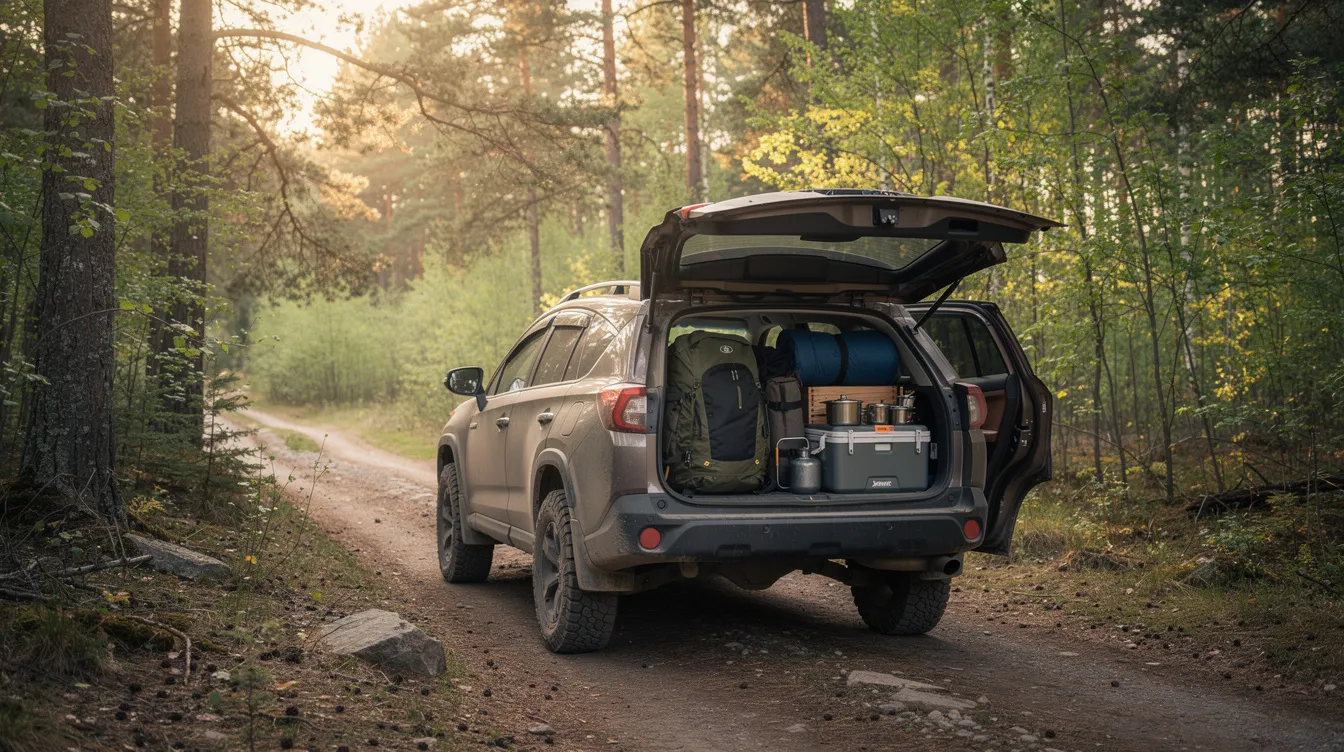
Best practices for safe storage include:
-
Locking firearms in a safe or lockbox.
-
Using cable locks or chamber locks when appropriate.
-
Storing ammunition separately in some households.
-
Securing guns when children, guests, or at-risk individuals are present.
-
Teaching family members age-appropriate firearm safety rules.
Negligence involving poorly stored firearms can lead to civil lawsuits or criminal liability, especially if a minor gains access and causes harm. Responsible storage is also one of the practical ways to reduce accidental shootings and some forms of gun violence while still respecting lawful self-defense rights.
There is no special tax or paperwork requirement simply for ordinary lawful ownership of most firearms in Montana, but owners remain responsible for following every applicable law, regulation, and court order.
Frequently Asked Questions About Montana Gun Laws
Do I need a permit to carry a concealed handgun in Montana in 2026?
Most adults 18+ who are legally allowed to possess firearms do not need a concealed carry permit to carry a concealed handgun in many public places in Montana. That is the result of permitless concealed carry laws enacted in 2021.
A Concealed Weapon Permit can still matter for reciprocity, documented training, streamlined dealer purchases, and federal Gun-Free School Zone exceptions. Private property rules, sensitive locations, and federal buildings can still ban carrying a concealed firearm regardless of permit status.
What are the penalties for carrying a gun where it is not allowed?
Penalties depend on the location and facts. A violation might be treated as trespass, unlawful possession, disorderly conduct, or a more serious offense if the weapon is brought into a courthouse, school, federal facility, or other restricted area.
Consequences can include fines, jail time, loss of firearm rights, forfeiture of the weapon, and difficulty obtaining or renewing a permit. Anyone charged with illegal carry or possession in Montana should contact a qualified criminal defense attorney quickly.
Can I carry a gun in Montana state parks and on public lands?
Firearms are generally allowed in Montana state parks and on many state and federal public lands, including large areas managed by the U.S. Forest Service and Bureau of Land Management. However, developed facilities, visitor centers, posted offices, and event areas may have additional restrictions.
Use extra care on multi-use lands where hikers, campers, hunters, outfitters, and families may all be present. During hunting season, understand the rules for the species, area, and method of take before carrying a rifle or shotgun for hunting.
Does Montana have a waiting period or firearm registration requirement?
Montana does not impose a mandatory waiting period for firearm purchases under state law. For dealer sales, the wait is usually only the time needed to complete the federal background check, unless NICS issues a delay.
Montana also does not require statewide firearm registration for ordinary rifles, shotguns, or handguns. Federal forms and FFL records still document many dealer transactions, and buyers must accurately complete ATF Form 4473.
How often do Montana’s gun laws change, and how can I stay updated?
Major changes often happen when montana’s state legislature meets, typically in odd-numbered years, although court decisions and agency guidance can affect the rules at any time. A bill introduced in January or March may become effective later that year, so old summaries can become outdated fast.
To stay current, check the Montana Code Annotated, Montana Department of Justice resources, county sheriff permit pages, and reputable legal updates. Before relying on any guide, verify current law on concealed carry, background checks, campus rules, and sensitive locations.
Meta tags
title
Understanding Montana Gun Laws: What You Need to Know in 2026
61/70
description
Stay informed about Montana gun laws in 2026. This guide covers key regulations and essentials you need to know. Read now for clarity and compliance.
149/156