Nebraska Gun Laws: 2026 Guide to Possession, Carry, and Permits
Nebraska Gun Laws: 2026 Guide to Possession, Carry, and Permits
Nebraska became a constitutional carry state in September 2023, reshaping how residents and visitors think about possessing firearms and carrying concealed guns. Whether you’re a first-time handgun buyer, a long-time gun owner, or someone planning to travel through the state, understanding current nebraska gun laws is essential for staying on the right side of the law.
This guide breaks down everything you need to know – from who can legally own a firearm to where you can carry one, what permits still matter, and what penalties apply if you get it wrong.
Key Takeaways
-
Nebraska allows permitless carry of firearms for legal owners aged 21 and older who are not prohibited persons, meaning most eligible adults can carry a concealed handgun without obtaining a state permit as of 2023.
-
A handgun purchase certificate or valid nebraska concealed handgun permit is still required to buy a handgun from dealers or private sellers, and all purchases from licensed dealers require federal background checks through the NICS system.
-
Open carry of handguns is generally legal across Nebraska, and a strong preemption law prevents local municipalities from enacting stricter gun control regulations than state law – though some cities like Omaha and Lincoln may still have surviving local rules on discharge and transport.
-
Certain people are prohibited from possessing firearms under state or federal law, including those with felony convictions, domestic violence misdemeanor convictions, active protective orders, and disqualifying mental health adjudications.
-
Nebraska has no red flag law, no assault-weapon ban, and does not require firearm registration, but the state does regulate where guns can be carried and imposes serious penalties for unlawful possession or use of a weapon during a felony.
Overview of Nebraska Gun Laws in 2026
As of June 2026, nebraska gun laws reflect a combination of permissive carry rights and targeted restrictions on who may own or possess firearms. The most significant recent change came when the nebraska legislature passed Legislative Bill 77 (LB 77) in 2023, which Governor Jim Pillen signed on April 25, 2023. The law took effect on September 2, 2023, making Nebraska a constitutional carry state – also called a permitless carry state.
Under this framework, most adults aged 21 and older who are not otherwise a prohibited person may carry a concealed handgun without first obtaining a permit. However, the state preserved its concealed handgun permit system, giving residents the option to obtain one for reciprocity purposes and to streamline handgun purchases.
Nebraska law primarily governs four areas:
-
Who may possess firearms
-
How firearms may be carried (open carry vs. concealed carry)
-
Where firearms are prohibited
-
What permits or certificates are needed for handgun purchases
These state-level rules interact with federal law in important ways. Federal background checks apply at licensed dealers, and federal prohibitions on certain categories of people owning or possessing firearms override any state permission. Nebraska does not require firearm registration – in fact, firearm registration is prohibited by nebraska state law.
This article is informational only and does not constitute legal advice. If you are facing criminal charges or have complex questions about gun violence, self-defense, or firearm eligibility, consult a qualified Nebraska attorney.
Who Can and Cannot Possess Firearms in Nebraska
Nebraska gun laws draw a clear line between people who can legally possess firearms and those who are barred. Understanding which side of that line you fall on is critical, because the penalties for illegal possession are severe.
Who Can Legally Possess Firearms
-
Adults aged 18 and older may possess rifles and shotguns and may open carry
-
Adults aged 21 and older may possess handguns, carry concealed, and apply for a handgun purchase certificate
-
Nebraska residents and citizens who have no disqualifying criminal history, mental health adjudications, or other legal barriers
Who Is Prohibited
The most common reasons for prohibition under nebraska law and federal law include:
-
Felony convictions – Anyone convicted of a crime punishable by more than one year in prison under state or federal law is barred from possessing firearms
-
Misdemeanor crime of domestic violence – Convictions involving assault, false imprisonment, stalking, or harassment against intimate partners, former partners, or persons with whom the offender shares a child
-
Active protective orders – Persons subject to domestic violence protection orders, sexual assault protection orders, or harassment orders
-
Fugitive from justice – Anyone fleeing prosecution or confinement
-
Certain juvenile adjudications – Persons under 25 adjudicated for acts equivalent to a felony or domestic violence misdemeanor
Additional disqualifiers under both state and federal law:
-
Individuals adjudicated mentally ill and dangerous or committed to a mental institution under Nebraska’s Mental Health Commitment Act
-
Those found incompetent to stand trial or committed to treatment for substance dependence
-
Unlawful users of controlled substances
-
Persons dishonorably discharged from the U.S. Armed Forces
-
Non-citizens unlawfully present in the United States or those who have renounced citizenship
Restoration of firearm rights is possible in some cases. For mental health disqualifications, Nebraska allows petitions through the Mental Health Board, but the applicant must show by clear and convincing evidence that they are not dangerous and that granting relief serves the public interest. Pardons or set-asides may also restore eligibility, but both nebraska law and federal firearm prohibitions must be satisfied.
Purchasing Firearms and Background Checks
Buying a firearm in Nebraska involves different steps depending on whether you’re purchasing a handgun or a long gun, and whether you’re buying from a dealer or a private seller.
Federal Background Checks at Dealers
Any purchase from a Federal Firearms Licensee (FFL) requires a federal NICS background check, regardless of whether the firearm is a handgun, rifle, or shotgun. This is mandated by federal law and cannot be waived by state rules.
The Handgun Purchase Certificate Requirement
Nebraska has long required a handgun purchase certificate (sometimes called a purchase permit) for every handgun purchase, lease, rent, or transfer – whether the sale occurs at a dealer or through a private party. This requirement remains fully in effect despite constitutional carry.
Here’s how to obtain one:
|
Step |
Detail |
|---|---|
|
Where to apply |
Local chief of police or sheriff in your county of residence |
|
Minimum age |
Applicant must be at least 21 years old |
|
Application fee |
$5, covering the criminal history record check |
|
Processing time |
Up to three business days |
|
Validity |
The permit is valid for three years from issuance, covering multiple purchases |
|
What it proves |
That the applicant passed a background check and is not a prohibited person |
If applying by mail, notarization and identification documentation are required. In-person applicants need a valid state ID, driver’s license, military ID, or tribal enrollment card.
Nebraska does not require firearm registration for any type of gun. Private transfers of firearms do not require registration in Nebraska. There is no state database tracking individual firearm ownership.
Exemptions and Long Gun Sales
Concealed handgun permit holders are exempt from needing a separate purchase permit when buying handguns – the CHP serves as proof of a recent background check.
Private sales of rifles and shotguns between Nebraska residents are not subject to mandatory background checks under state law. However, federal law still prohibits any person from transferring a firearm to someone they know or have reasonable cause to believe is prohibited from possessing firearms.
Other exemptions from the handgun purchase certificate requirement include transfers to law enforcement, temporary use at shooting ranges, certain intra-family transfers, and transactions involving licensed dealers shipping to another FFL.
Open Carry and Concealed Carry in Nebraska
Nebraska distinguishes between open carry (firearm visible) and concealed carry (firearm hidden from ordinary sight), and each is regulated differently.
Open Carry
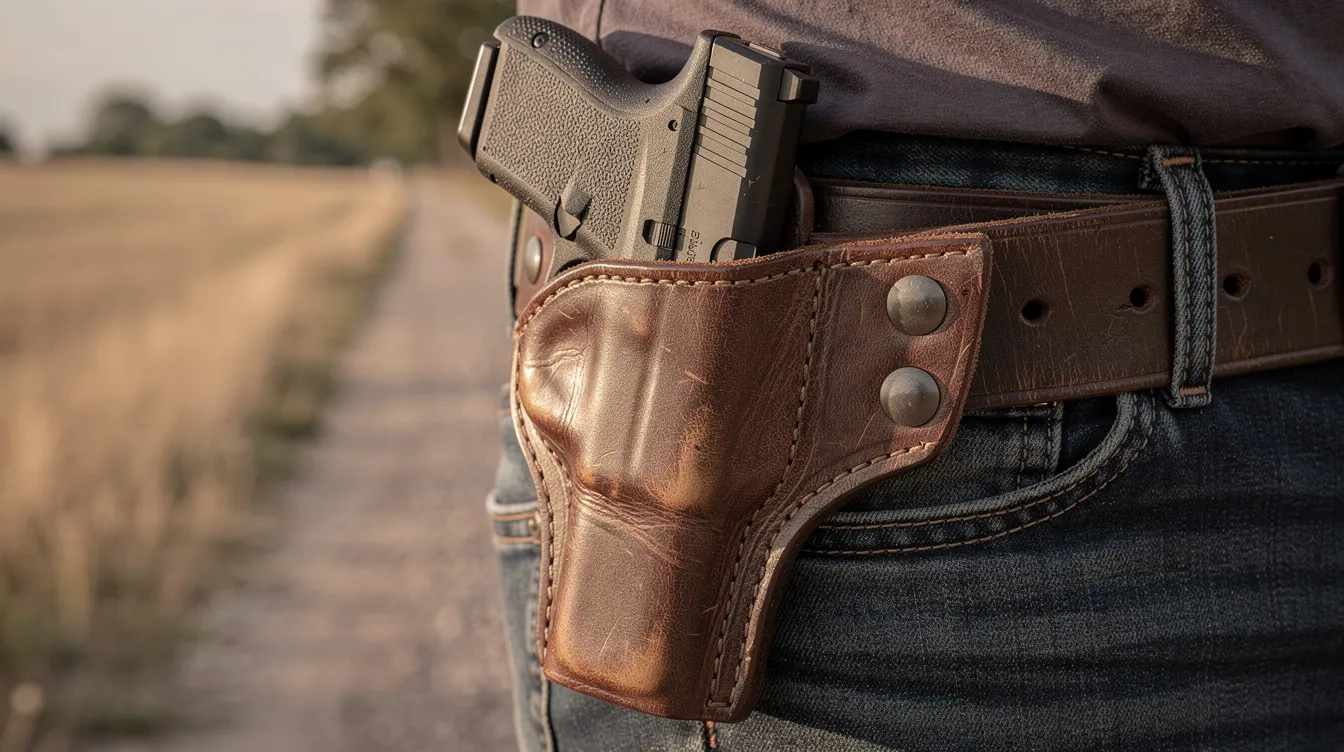
Open carry of handguns is permissible in Nebraska for any person who can legally possess firearms. No permit is required. Prior to LB 77, cities like Omaha and Lincoln had local ordinances restricting open carry. Under the strengthened state preemption enacted with LB 77, those local restrictions were recently repealed or rendered unenforceable.
That said, open carry does not override location-based bans. You still cannot open carry in schools, courthouses, or other prohibited places.
Constitutional Carry (Permitless Concealed Carry)
Nebraska allows permitless carry for legal owners aged 21 and older. If you are not a prohibited person, you can carry a concealed handgun without obtaining any permit within Nebraska. This law has been in effect since September 2, 2023.
Key points to keep in mind:
-
Constitutional carry does not override prohibited locations or posted no-gun signs
-
Minors and young adults under 21 remain restricted from carrying concealed guns
-
Brandishing, careless handling, or threatening behavior with a firearm can still lead to criminal charges regardless of carry status
-
The law applies to residents and eligible persons within the state
Traveling Through Nebraska
If you’re traveling through Nebraska with firearms, make sure your guns are carried or transported in compliance with both nebraska law and any applicable federal transportation rules. Keeping firearms cased and unloaded during interstate travel is generally the safest approach if you’re unsure about local requirements.
Nebraska Concealed Handgun Permits and Reciprocity
Although Nebraska now allows permitless concealed carry, many residents still choose to obtain a nebraska concealed handgun permit. The reasons are practical: the permit provides reciprocity with other states and eliminates the need for a separate handgun purchase certificate.
Eligibility Requirements
To qualify for a nebraska permit under the concealed handgun permit act, you must meet the following:
-
Be at least 21 years old (the minimum age for a concealed carry permit)
-
Be a U.S. citizen or lawful permanent resident
-
Be a Nebraska resident
-
Complete an approved safety training course in handgun handling
-
Pass state and federal criminal history and background check reviews
-
Not be a prohibited person under state or federal law
Application Process
Applications go through the Nebraska State Patrol. The process includes:
-
Submitting fingerprints
-
Providing proof of completed training
-
Supplying photographs
-
Paying the application fee ($100 for initial permit, $50 for renewal)
-
Undergoing an investigation period
Permit Duration and Renewal
A concealed carry permit is valid for five years. Renewal requires updated background checks and may require refresher safety training depending on the rules at the time of renewal.
Using the Permit for Handgun Purchases
A valid concealed handgun permit can substitute for the handgun purchase certificate, allowing handgun buyers to purchase without obtaining an additional point-of-sale permit each time. This is one of the most practical reasons residents continue to obtain permits even under constitutional carry.
Reciprocity with Other States
Many other states recognize Nebraska concealed handgun permits for reciprocity purposes. However, each state sets its own age limits, training requirements, and permit class rules. Before traveling armed, verify the destination state’s laws.
Concealed carry permits are not issued to non-residents under Nebraska law, with very limited exceptions. Out-of-state permits may or may not be recognized for concealed carry within Nebraska depending on current nebraska legislature enactments and reciprocity agreements.
Prohibited Locations and Posting Rules
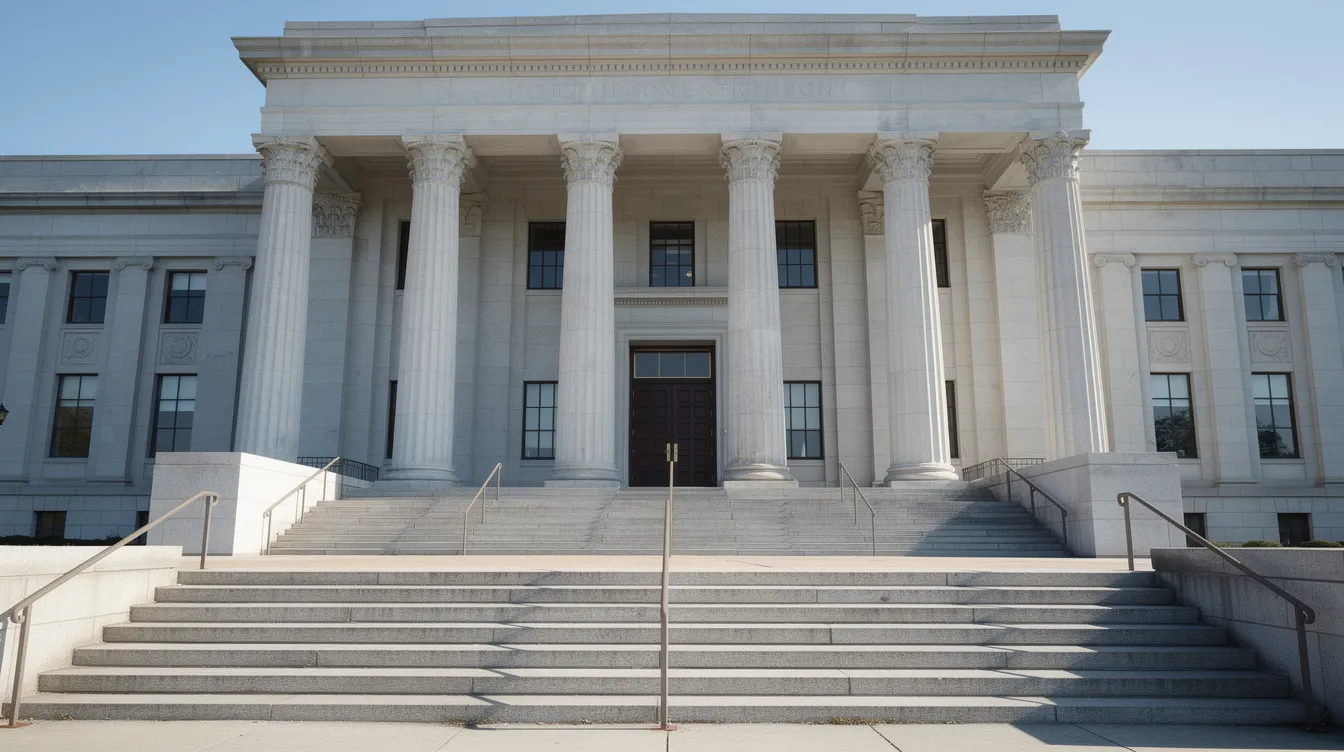
Even with constitutional carry or a concealed handgun permit, people cannot carry firearms everywhere. Nebraska law lists numerous places where carrying a concealed weapon is prohibited, including police stations and schools.
Statewide Prohibited Locations
|
Location |
Notes |
|---|---|
|
Police stations and sheriff offices |
Firearms prohibited on premises |
|
Prisons and jails |
No civilian firearms allowed |
|
Courthouses and courtrooms |
Statewide ban |
|
Polling places on Election Day |
Prohibition applies during voting hours |
|
Meetings of the Nebraska Legislature or local governing body sessions |
Firearms barred during proceedings |
Other Common Prohibited Locations
-
K-12 schools and school grounds
-
College or community college buildings with posted weapons bans
-
Places of worship that choose to prohibit firearms
-
Hospitals or medical centers that post restrictions
-
Financial institutions with posted policies
Alcohol-Related Establishments
Many bars and restaurants where the majority of revenue comes from alcohol sales are off-limits for concealed handguns. Violations can result in criminal charges.
Athletic Events, Political Rallies, and Security-Sensitive Venues
Locations with heightened security concerns – including athletic events and political rallies – often post policies prohibiting concealed handguns. A peace officer or security personnel may enforce these restrictions.
Private Property Posting Rules
Private property owners, including businesses and employers, can post conspicuous “no firearms” or “no concealed handguns” signs, creating additional locations where carry is legally restricted. These signs must satisfy statutory requirements to be enforceable.
Always look for posted signage at building entrances. If a prohibited place or posted restriction applies, leave or secure your firearms elsewhere before entering.
Equipment Restrictions and Regulated Hardware
Compared to some other states, Nebraska has relatively few bans on specific firearm types or accessories. Here’s what you need to know:
-
Nebraska does not have a statewide ban on so-called assault weapons, semi-automatic rifles, or large-capacity magazines
-
There is no separate state restriction on common ammunition types
-
Machine guns, short-barreled rifles, and suppressors (silencers) may be legal only if registered and possessed in full compliance with the federal National Firearms Act, with severe penalties for non-compliance
-
Nebraska has not enacted specific statewide bans on bump stocks, ghost guns, or 3D-printed firearms as of June 2026, though federal rules on serialization and background checks may still apply
Nebraska does not regulate weapons at the state level beyond what federal law requires for NFA items. However, residents should verify any surviving city-level or county-level ordinances concerning discharge bans or storage requirements within city limits, keeping in mind the state’s strong preemption law.
Private Transfers, Storage, and Gun Violence Concerns
Safe private transfers and responsible storage matter for both legal compliance and reducing accidental shootings and gun violence.
Private Handgun Transfers
Private transfers of handguns within Nebraska require the buyer to present either a valid handgun purchase certificate or a nebraska concealed handgun permit. This ensures a recent background check has been completed. Failure by the seller to verify this documentation is itself a violation of nebraska law.
Private Long Gun Transfers
Private transfers of rifles and shotguns do not require background checks under state law. However, sellers cannot knowingly transfer to a prohibited person and should verify Nebraska residency where appropriate. Federal law still applies.
Safe Storage
Nebraska does not have a universal safe-storage statute. There is no state mandate requiring gun safes or locking devices. However, gun owners are strongly encouraged to use safes, trigger locks, and secure storage – especially in homes with children or unauthorized users.
Negligent storage that leads to a child accessing a firearm or a prohibited person obtaining one can result in civil liability or criminal charges, depending on the circumstances.
The Gun Violence Debate
Lawmakers and the nebraska legislature have debated measures to prevent gun violence, including expanded background checks for private long-gun sales, mental-health-focused interventions, and enhanced school security. As of June 2026, no red flag law or extreme risk protection order has been enacted. Mental health commitment processes remain the primary mechanism for restricting access to firearms for individuals who pose a risk.
Organizations on both sides of the debate – from those taking action to expand gun rights, including the national rifle association, to groups focused on prevent gun violence efforts – continue to advocate for their positions in the state legislature.
Self-Defense, Duty to Retreat, and Use of Force
Understanding Nebraska’s approach to self-defense is critical for anyone who carries a firearm. This section provides a high-level overview, not case-specific legal advice.
No Stand Your Ground Law
Nebraska does not have a broad stand your ground law. Instead, Nebraska imposes a duty to retreat before using deadly force in public. Under Nebraska Revised Statutes § 28-1409, if safe retreat is possible and you are outside your home or workplace, you must retreat before resorting to deadly force.
When Deadly Force Is Justified
Deadly force is only justified when a person reasonably believes it is necessary to protect against:
-
Imminent death
-
Serious bodily injury
-
Kidnapping
-
Sexual assault
The Castle Doctrine
Within your own dwelling or place of work, the duty to retreat generally does not apply. This is sometimes referred to as the “castle doctrine” – you have more latitude to use defensive force in your home. However, if you are the initial aggressor, this protection may not apply.
What Can Get You Charged
Even if you believe you acted in self-defense, the following actions can result in serious criminal charges:
-
Discharging a firearm irresponsibly
-
Firing warning shots in public
-
Using a gun to threaten someone during a non-deadly conflict
-
Using force disproportionate to the threat
If you have used a firearm in self-defense in Nebraska, contact law enforcement promptly and seek immediate legal representation before making detailed statements about the incident.
Penalties for Violating Nebraska Gun Laws
Violations of Nebraska firearm laws range from misdemeanor charges to severe felonies, with consequences that can reshape your entire life.
Minor vs. Serious Violations
|
Violation Type |
Classification |
Potential Penalty |
|---|---|---|
|
Carrying in a posted prohibited place |
Misdemeanor |
Fines, possible short-term jail |
|
Failing to follow transport rules |
Misdemeanor |
Fines, confiscation |
|
Prohibited person in possession (first offense, § 28-1206) |
Class ID felony |
3 to 50 years imprisonment |
|
Prohibited person in possession (subsequent offense) |
Class IB felony |
Significantly increased minimums |
|
Use of a weapon to commit a felony (§ 28-1205) |
Class IC felony |
Mandatory minimum 5 years (first offense) |
|
Use of a weapon in felony (second+ offense) |
Class IB felony |
20 years to life |
Long-Term Consequences
A convicted felon loses firearm rights under both Nebraska and federal law – often permanently. Beyond prison time, firearm-related convictions create a lasting criminal record that affects:
-
Employment prospects
-
Professional licensing
-
Housing opportunities
-
Immigration status for non-citizens
-
Voting rights (until restored)
Courts may also impose probation terms restricting future gun possession, mandatory surrender of firearms, and requirements to complete anger-management or substance-abuse programs.
If you’re subject to a firearm charge or investigation, consult an experienced Nebraska criminal defense attorney to examine potential defenses, challenge unlawful searches, and negotiate with prosecutors.
Nebraska Firearm Preemption and Local Regulation
Firearm preemption determines whether cities and counties can enact gun laws that differ from or go beyond state statutes.
Nebraska has a strong state preemption law preventing local municipalities from enacting stricter gun control regulations than state law. This means Nebraska does not allow local municipalities to enact stricter gun control laws than the state. The preemption law – strengthened by LB 77 – is a prohibiting localities measure that bars cities and counties from creating ordinances that conflict with statewide rules on firearm ownership, possession, sale, or transfer.
Before LB 77, cities like Omaha and Lincoln had adopted more restrictive rules, including handgun registration requirements and open carry limitations. Those local restrictions were invalidated under the expanded preemption.
However, private property owners and employers – including universities and private businesses – can still regulate firearms on their own premises. Internal policies about possession and storage of firearms on private property remain enforceable even where local ordinances are preempted.
If you live in or travel to Nebraska’s larger cities, review both state statutes and any surviving local ordinances regarding transport, open carry, and possession in city buildings or public parks. In an average year, most questions about local rules can be resolved by checking with local law enforcement.
Nebraska News and Legislative Updates
Nebraska gun laws continue to evolve. Recent sessions of the nebraska legislature have debated multiple firearms-related bills touching on school security, concealed carry in certain public buildings, and data collection on gun violence.
Key recent developments:
-
The Nebraska Legislature adjourned its 2026 session sine die on April 20, 2026, after considering several firearm-related proposals
-
In 2023, the Legislature enacted constitutional carry through LB 77, prompting ongoing adjustments to administrative rules and training standards
-
Nebraska appellate courts, including the Nebraska Supreme Court, continue to issue decisions interpreting firearm statutes, self-defense laws, and the limits of police searches involving guns
-
Discussions around expanded background checks for private long-gun sales have surfaced repeatedly but have not resulted in new legislation as of mid-2026
Always verify current statute numbers and any new bills signed by the Governor before relying on specific details. Laws can change between legislative sessions.
Comparing Nebraska Gun Laws to Other States
Understanding how Nebraska stacks up against other states helps residents and travelers make informed decisions.
Constitutional Carry Landscape
Nebraska is among the growing number of states with constitutional carry, joining states like Missouri, Iowa, and Kansas that allow permitless concealed carry. This distinguishes Nebraska from states that still impose a concealed carry permit requirement with extensive training mandates.
What Makes Nebraska Different
Nebraska requires a handgun purchase permit and background check unlike neighboring states that do not impose similar pre-purchase requirements. While some constitutional carry states rely solely on point-of-sale federal background checks, Nebraska maintains its handgun purchase certificate as an additional layer for handgun buyers.
Nebraska’s lack of a red flag law and limited hardware bans also distinguish it from states with stronger gun control regimes that include assault-weapon bans, mandatory waiting periods, and extreme risk protection orders.
The Hybrid System
Compared to neighboring states, Nebraska’s mix of open carry, permitless concealed carry, and purchase-permit requirements creates a hybrid system. Gun owners moving between states must study each jurisdiction’s rules carefully. The right to bear arms is recognized broadly in Nebraska, but that recognition carries different conditions than in Iowa, Colorado, or South Dakota.
Traveling Across State Lines
Anyone traveling with firearms should review reciprocity agreements, transport rules, and concealed carry laws in each state on their route. Other states may treat Nebraska permits and permitless carriers differently. Some states will honor a nebraska permit; others will not recognize permitless carry status at all.
FAQ: Nebraska Gun Laws
Do I still need a permit to carry a concealed handgun in Nebraska?
No. Nebraska’s constitutional carry law allows most adults 21 and older who are not prohibited from possessing firearms to carry a concealed handgun without a permit within Nebraska. However, a nebraska concealed handgun permit remains useful for reciprocity purposes in other states and serves as a substitute for the handgun purchase certificate when buying handguns.
Can non-residents carry concealed in Nebraska?
Non-residents who are legally allowed to possess firearms may generally carry concealed in Nebraska under constitutional carry provisions, provided they meet the age and eligibility requirements. However, Nebraska does not issue concealed carry permits to non-residents. Recognition of out-of-state permits can change, so travelers should confirm current Nebraska statutes and reciprocity lists before carrying.
Are background checks required for all gun sales in Nebraska?
Not all. All purchases from licensed dealers require federal background checks. Private sales of handguns require the buyer to present a valid nebraska handgun purchase certificate or concealed handgun permit. Private sales of rifles and shotguns between Nebraska residents do not require background checks under state law, though sellers may not knowingly transfer to prohibited persons.
Can I keep a loaded handgun in my car in Nebraska?
Adults who may lawfully possess firearms can generally keep a loaded handgun in their vehicle. The gun should be either openly visible or properly concealed consistent with Nebraska carry laws. You must still respect prohibited locations such as school grounds and properties with posted firearms restrictions.
Does Nebraska have a waiting period for buying a gun?
Nebraska does not impose a separate mandatory waiting period for firearm purchases. However, obtaining a handgun purchase certificate can take up to three business days for the issuing authority to process, which creates a practical delay before a buyer may legally receive a handgun. Once issued, the certificate is valid for three years and covers multiple purchases.
Meta tags
title
Essential Guide to Nebraska Gun Laws: What You Need to Know
59/70
description
Understand Nebraska’s gun laws with this essential guide. Stay informed and navigate the regulations confidently. Read the article for key insights.
148/156