Oklahoma Gun Laws: Constitutional Carry, Restrictions, and Penalties
Oklahoma Gun Laws: Constitutional Carry, Restrictions, and Penalties
Oklahoma is one of the most gun-friendly states in the nation, but that does not mean anything goes. Between constitutional carry, self defense protections, strict location bans, and enhanced penalties for misuse, there is a lot for oklahoma residents to understand before they strap on a holster. This guide breaks down everything you need to know about oklahoma gun laws as of 2026, from who can possess a firearm to where you can and cannot carry one.
Key Takeaways
-
Oklahoma is a constitutional carry state, meaning most adults 21 and older (or 18 and older with military service) may carry a concealed or unconcealed handgun without a permit, provided they can lawfully possess a firearm.
-
The oklahoma self defense act still offers optional licenses through the oklahoma state bureau of Investigation (OSBI), which are useful for reciprocity with other states and can speed up firearm purchases at dealers.
-
Carrying firearms remains illegal in many sensitive locations, including K–12 schools, courthouses, jails, many government buildings, bars where alcohol is the primary purpose, and venues hosting a professional sporting event.
-
Convicted felons, adjudicated delinquents, and other prohibited persons face felony charges for possession of a firearm, and body armor worn during a felony carries severe sentence enhancements.
-
Oklahoma’s self defense laws-including castle doctrine and stand your ground law provisions-can justify deadly force against intruders, but reckless conduct, carrying while intoxicated, and pointing firearms without justification remain heavily penalized.
Overview of Oklahoma Gun Laws in 2026
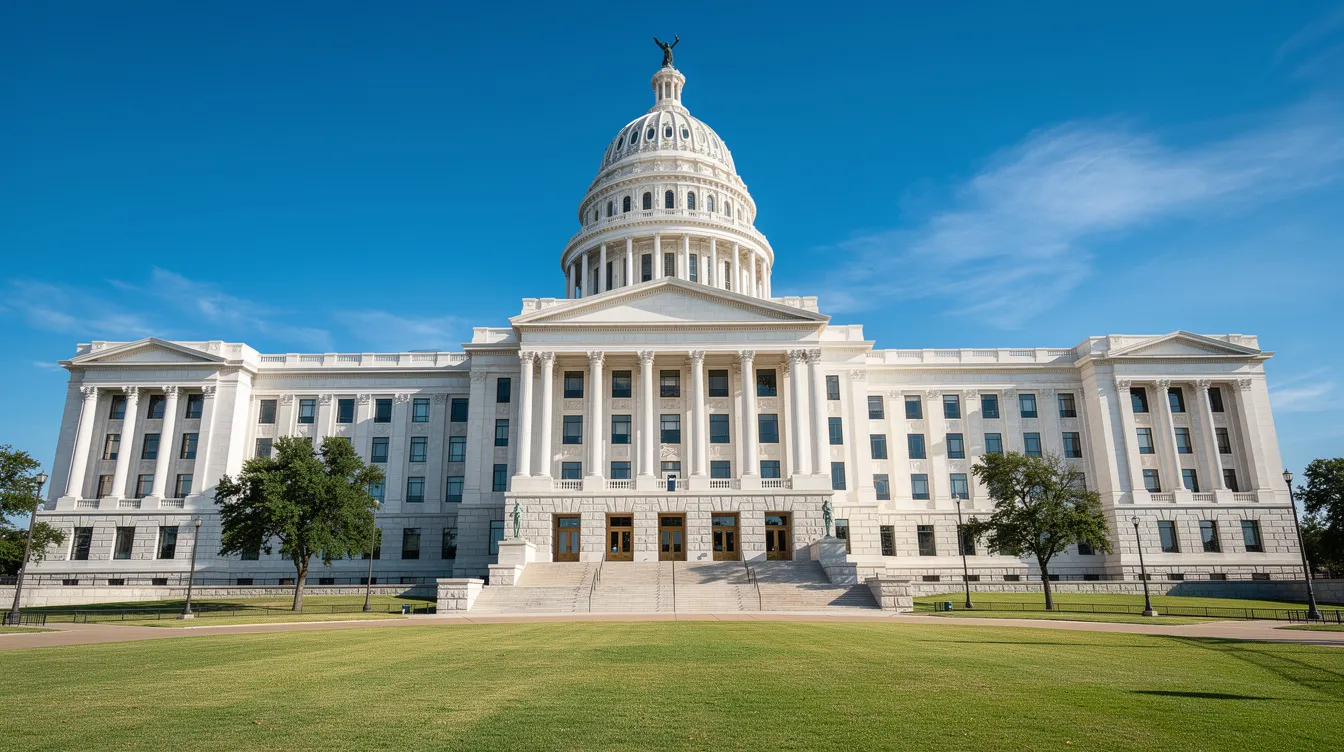
Oklahoma is widely considered a strong permitless carry state, with detailed firearm statutes primarily found in Title 21 of the Oklahoma Statutes (Chapter 53 and related sections) and self defense provisions like 21 O.S. § 1289.25. The state’s gun laws cover firearm possession, carrying firearms in public, restricted places, penalties for misuse, and enhancements when guns are used during other crimes.
The critical date to remember is November 1, 2019, when permitless carry took effect under HB 2597. Before that, a valid handgun license was required for most public carry. Concealed carry does not require a permit since November 1, 2019, and open carry follows the same rule for eligible adults.
Oklahoma law also preempts local regulation of firearms. Under Title 21 § 1289.24, no city, county, or other political subdivision may enact ordinances that conflict with state firearm statutes. This means gun laws are uniform across the state, whether you are in Oklahoma City, Tulsa, or a rural town.
The laws discussed here are current as of mid-2026 but can change with each legislative session. Always verify the latest statutes before relying on any summary. This article provides practical, plain-English explanations rather than dense legal jargon, while still citing key statute numbers where helpful.
Who May Possess Firearms in Oklahoma
Lawful firearm possession is the foundation for any right to carry, whether concealed or unconcealed. If you cannot legally possess a firearm, no carry law-constitutional or otherwise-protects you.
General Eligibility
Under both state and federal law, the following adults may generally possess firearms in Oklahoma:
-
Persons aged 21 or older (or 18+ if active-duty military, reserves, National Guard, or honorably discharged veterans)
-
Not convicted of any felony offense
-
Not under active probation, parole, or Department of Corrections supervision
-
Not subject to an active protective order
-
Not adjudicated mentally incompetent or committed to a mental institution
-
Not an unlawful user of controlled substances
Prohibited persons include convicted felons and individuals subject to specific protective orders. Federal law creates additional categories-such as domestic-violence misdemeanants and unlawful drug users-that apply in Oklahoma even if not separately listed in state gun laws.
Convicted Felons
Under 21 O.S. § 1283, a convicted felon is barred from possessing any firearm, including pistols, rifles, shotguns, a sawed off shotgun, a sawed off rifle, and machine guns. This prohibition extends to actual possession, constructive possession (such as a gun stored in the person’s vehicle or residence), and any firearm within their control. Possession of a firearm by a convicted felon is a felony, punishable by one to ten years in prison.
An adjudicated delinquent whose juvenile offense would have been a felony if committed by an adult is prohibited from firearm possession for ten years after adjudication. Those individuals have very few protections when it comes to restoring gun rights.
Restoration of firearm rights is narrow. Only persons convicted of a nonviolent felony who obtain a full and complete pardon-with no other unpardoned felony-may regain the right to possess a firearm. Expungement alone is not sufficient. Legislation has considered restoring firearm rights to nonviolent felons after completing sentences, but as of 2026, the pardon remains the only statutory path.
Buying, Selling, and Owning Firearms
Oklahoma imposes relatively few state-level barriers on buying and owning guns beyond what federal law requires. There is no state-mandated waiting period for purchasing firearms, no firearm registration requirement for ordinary guns, and no state registry for most firearms.
Private Sales
Private firearm sales are legal in Oklahoma. A private seller may transfer a firearm to another individual without involving a licensed dealer. However, one must be 21 to buy a firearm from a private seller under state law. It is illegal to knowingly sell or give firearms to a convicted felon, an adjudicated delinquent, or other prohibited persons. Selling firearms to prohibited persons is illegal and punishable, with penalties including potential jail time.
Dealer (FFL) Sales
Federal background checks are required when purchasing from dealers (Federal Firearms Licensees). The NICS check can take up to three business days to complete. If the system has not returned a denial within that window, the dealer may proceed with the transfer by default-though some dealers choose to wait. When verification is successful after the background check, the purchase moves forward without further purchase delay.
Handgun purchases from FFLs generally require buyers to be at least 21, while rifles and shotguns can often be purchased at 18, subject to federal rules. Holders of a valid SDA handgun license may qualify as a “NICS Alternate Permit,” meaning the dealer may skip the point-of-sale background check in some transactions.
Occasionally, despite national failures in reporting to the NICS database, the system catches most prohibited buyers. Oklahoma relies on the federal framework rather than adding a separate state background check layer.
NFA Items
National Firearms Act items-short-barreled rifles, short-barreled shotguns, suppressors, and machine guns-are lawful only if properly registered under federal law. Unregistered possession of these items is a felony under both federal and state statutes.
Minors and Firearm Possession
Minors have more limited firearm rights than adults, especially regarding unsupervised handgun possession.
-
Minors under 18 cannot possess firearms in Oklahoma under the general rule of 21 O.S. § 1273.
-
Minors may possess rifles and shotguns for hunting, sport shooting (skeet, trap), firearm safety courses, or education under appropriate supervision.
-
Minors can own firearms given by parents or guardians, typically rifles or shotguns intended for hunting or sport, but unsupervised public carry of handguns is not allowed.
-
Providing a firearm to a minor who is not authorized to have one is a misdemeanor. A first offense can bring up to 30 days in jail and a fine up to $250, with penalties increasing for repeat offenses.
Oklahoma does not have a specific safe-storage statute mandating locked firearms in homes with children, but adults who furnish weapons to minors or allow negligent access can face criminal charges. The emphasis here is on adult supervision and responsible storage whenever minors are around firearms.
Constitutional Carry and the Oklahoma Self-Defense Act
Oklahoma operates under both constitutional carry and the self defense act (SDA), which governs optional handgun licensing.
Constitutional Carry
Oklahoma allows permitless carry for adults 21 and older. Any eligible person who is at least 21 (or 18 with qualifying military service) and is not a prohibited person may carry a concealed or unconcealed firearm without a state permit. Oklahoma allows permitless concealed carry for adults 21 and older, and open carry is also included under the same framework.
Constitutional carry applies to both oklahoma residents and visitors. Oklahoma recognizes all out-of-state handgun carry permits, meaning a visitor with a valid license from another state also has carry privileges.
However, constitutional carry did not change who may lawfully possess a firearm. It did not authorize carrying in every location, and it did not override federal law. The same location restrictions and prohibited-person rules that existed before 2019 still apply, and protections remain only for those who are legally eligible.
The SDA License
The self defense act license is still available through the Oklahoma State Bureau of Investigation (OSBI). Applications go through the county sheriff, require fingerprinting, a training certificate, and OSBI review.
When applying for an SDA license online through the OSBI portal, the system may require performing security verification to confirm applicants are real people and not malicious bots targeting government websites. Once the security verification clears and the system can respond (ray id and session confirmed), verification successful messages appear, allowing applicants to proceed with the physical processes of uploading documents and photos.
Licenses are issued for 5-year (~$100) or 10-year (~$200) terms. The main benefits of holding a state permit include:
|
Benefit |
Details |
|---|---|
|
Reciprocity |
Recognized in many other states that require permits |
|
NICS Alternative |
May bypass point-of-sale background checks at dealers |
|
Identification |
Provides clear proof of training and vetting |
A valid handgun license is not required for carry within Oklahoma, but it remains a practical tool for anyone who travels.
Concealed Carry vs. Open Carry
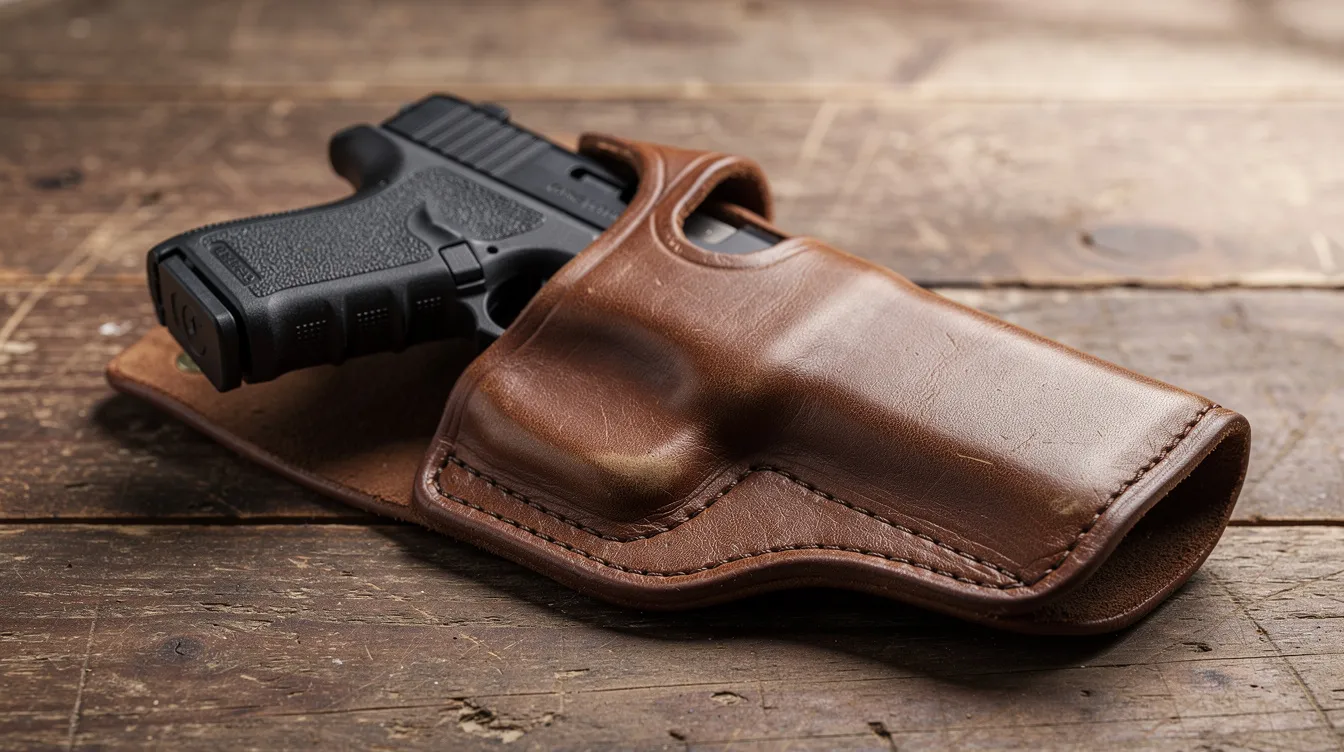
Concealed carry means the firearm is hidden from ordinary view-inside a waistband, under a jacket, or in a bag. Open carry means the firearm is visibly worn, such as in a holster on the hip.
Oklahoma allows both. Individuals 21 or older can carry firearms openly or concealed without a license. Individuals must be 18 or older to open carry in Oklahoma with qualifying military service. Open carry is legal without a permit for eligible adults, and concealed carry follows the same eligibility rules.
Carrying a concealed or unconcealed handgun in a vehicle is generally allowed for lawful possessors, but separate rules apply to school property, federal property, and other restricted locations.
Practical Considerations
-
Open carry may attract more attention from a law enforcement officer or bystanders, which can lead to more frequent contacts or questions.
-
Concealed carry is more discreet but must never be used to threaten or intimidate.
-
During a routine traffic stop, an officer may ask whether you are carrying. How the gun is carried-open or concealed-often matters less legally than whether the person was eligible, the location was lawful, and the conduct complied with oklahoma gun laws.
Oklahoma’s constitution protects the right to bear arms, and the state’s militia clause references both civil power and the duty of citizens thereunto legally summoned, reinforcing a deep cultural tradition of firearm ownership. Household firearm ownership rates in Oklahoma are among the highest in the country.
Carrying Firearms in Public Places
Constitutional carry covers a wide range of public areas, but oklahoma law still carves out sensitive locations where carrying weapons is restricted.
General public carry is straightforward: streets, sidewalks, many parks, and most businesses are lawful areas for carrying firearms for eligible adults, unless specifically posted or prohibited by statute. Since November 1, 2017, carrying firearms on public buses is generally legal, subject to other weapon and conduct rules.
Oklahoma distinguishes between public property (like state office buildings) and private property (like stores or private land), with different rights and restrictions in each setting. The subsections below cover prohibited places, liquor establishments, schools, and private-property rules in detail.
Restrictions on Carrying Handguns and Other Weapons
Even lawful carriers face location-based and weapon-type limits.
Oklahoma’s unlawful carry statute (21 O.S. § 1272) generally bans carrying offensive weapons unless an exception-such as constitutional carry or an SDA license-applies. This statute also covers knives, brass knuckles, and other items classified as a dangerous weapon, so carrying them may be illegal even if handgun carry would be lawful.
Long guns (rifles and shotguns) have their own transport and carry rules under 21 O.S. §§ 1289.3–1289.6, with more limits on how they may be carried loaded in vehicles or public areas. For example, specific statutes address whether a rifle may be chambered while inside a vehicle.
Handguns over .45 caliber face carry restrictions under certain Oklahoma statutes, so ultra-large-bore pistols may not be legal to carry in public. Always check current definitions before carrying unusual firearms.
Places Where Carry Is Prohibited or Restricted
Oklahoma constitutional carry does not apply in certain sensitive locations, where carrying weapons can bring misdemeanor or felony charges.
Common restricted places under 21 O.S. § 1277 and related statutes include:
-
Courthouses and judicial buildings
-
Jails, prisons, and any detention facility
-
Many government buildings with a security service or controlled entry
-
Any public or private school (K–12), including much of the campus
-
Most college and technology center buildings
-
Venues hosting a professional sporting event
-
Some gambling establishments
-
Certain special events with controlled entry
Carrying firearms in schools is illegal in Oklahoma. More specifically, carrying a firearm on school property is a felony under 21 O.S. § 1280.1, punishable by up to two years in prison and a $5,000 fine. This includes the grounds of any public or private school.
Carrying firearms is prohibited in schools and government buildings across the state. Unlawful carry in certain places is a misdemeanor punishable by a fine of $250 in many situations, though specific locations like schools or federal facilities can trigger felony charges.
Parking lots near restricted buildings sometimes have slightly more lenient rules, allowing firearms to remain locked in vehicles under specific circumstances. Federal property-post offices, federal courthouses, military installations-is governed by separate federal law and is often strictly off-limits for firearms.
Private Property and Business Rules
Private property rights coexist with Oklahoma’s right to bear arms. Businesses and private landowners may forbid firearms on their premises, often using posted “no guns” or “no weapons” signs, or through direct verbal notice.
Ignoring such a policy and refusing to leave when asked can result in trespass charges, even if carrying is otherwise legal under state gun laws. The property owner’s wishes control on private property.
Carrying on your own private property or residence is generally lawful for adults who may possess firearms, but brandishing or threatening others without a self defense justification is still criminal. Respect posted rules, and avoid confrontations with business owners or security service personnel.
Use of Physical and Deadly Force in Oklahoma
Oklahoma’s self defense laws, codified primarily in 21 O.S. § 1289.25, define when using deadly force with a firearm is legally justified. Oklahoma follows the Castle Doctrine and Stand Your Ground principles.
Castle Doctrine
Oklahoma presumes that the use of force-including deadly force-is reasonable when an intruder unlawfully and forcibly enters a dwelling, occupied vehicle, place of business, or place of worship. The defender is presumed to have had a reasonable fear of death or serious bodily harm, and the intruder is presumed to have intended a violent act.
Exceptions exist: the presumption does not apply against co-owners, children in lawful custody, or lawful residents of the dwelling.
Stand Your Ground
Oklahoma’s stand your ground law provisions allow individuals who are lawfully present and not engaged in crime to stand his or her ground and meet force with force, including deadly force, if they reasonably believe it is necessary to prevent death or great bodily harm, or to prevent the imminent commission of a forcible felony.
There is no duty to retreat when you are lawfully in a place-whether that is your home, your car, or a public sidewalk.
Limitations
Deadly force must be proportionate and based on a reasonable fear. Merely being insulted, shoved, or verbally threatened usually does not justify shooting. If you provoke the confrontation, you may lose the legal protections. Force used solely in defense of property-without an accompanying threat of death or serious harm-is generally not justified.
Civil and criminal immunity may apply in some justified self defense situations, but complex cases often require qualified legal counsel. The immunity provisions of § 1289.25 are powerful but not absolute.
Common Firearm-Related Crimes and Penalties
Oklahoma imposes a wide range of criminal penalties for misuse of firearms, separate from basic possession or carry rules.
|
Offense |
Statute |
Classification |
Potential Penalty |
|---|---|---|---|
|
Unlawful carry in restricted places |
21 O.S. §§ 1272, 1277 |
Misdemeanor |
Fine up to $250, possible jail |
|
Firearm on school property |
21 O.S. § 1280.1 |
Felony |
Up to 2 years, $5,000 fine |
|
Pointing a firearm |
21 O.S. § 1279 |
Misdemeanor/Felony |
Varies |
|
Reckless conduct with firearm |
21 O.S. § 1289.11 |
Misdemeanor/Felony |
Fine up to $500, up to 6 months jail |
|
Firearm during felony |
21 O.S. § 1287 |
Enhanced Felony |
Additional 2–10 years |
|
Furnishing to prohibited person |
21 O.S. § 1289.12 |
Misdemeanor/Felony |
Varies |
Carrying a firearm while committing a felony adds 2 to 10 years in prison on top of the underlying offense. The enhancement is a separate crime from the original felony.
Pointing a firearm at another person-loaded or unloaded-without a self defense justification is a criminal offense. Reckless conduct, such as discharging a weapon in a populated area, can also bring misdemeanor or felony charges depending on the harm caused.
It is illegal to provide firearms to mentally incompetent persons, and furnishing guns to felons or intoxicated persons can itself be a crime even if no shooting occurs.
Guns, Alcohol, and Intoxication
Combining firearms with alcohol or drugs is a frequent source of arrests in Oklahoma.
Carrying weapons while under the influence of alcohol, illegal drugs, or impairing prescription medication is a misdemeanor under 21 O.S. § 1289.9, with fines and possible county jail time. Responsible carriers should avoid handling or carrying firearms while consuming alcoholic beverages or using any substance that impairs judgment.
It is a felony to carry a firearm in alcohol-serving establishments where on-premises consumption is the primary purpose. If an establishment derives less than sixty percent of its revenue from food and other non-alcohol sources, it may be classified as a bar or liquor-dominant venue, triggering the prohibition. Penalties can include one to two years of imprisonment. A restaurant that happens to serve drinks is treated differently, but the line can be blurry-when in doubt, leave your firearm secured elsewhere.
Restrictions on Convicted Felons, Ammunition, and Body Armor
A convicted felon faces strict bans on firearm possession, often punishable by 1–10 years in prison under 21 O.S. § 1283. The same applies to certain adjudicated delinquent individuals during the ten-year prohibition period.
Oklahoma also regulates restricted ammunition. Manufacturing, selling, or possessing ammunition capable of penetrating body armor-commonly called armor-piercing rounds-can carry serious felony penalties under 21 O.S. §§ 1289.20–1289.21, often with mandatory prison terms.
Body armor is generally lawful for civilians to purchase and wear. However, Oklahoma’s body armor statute (21 O.S. § 1289.26) criminalizes wearing body armor during the commission or attempted commission of a felony, adding up to 10–20 years of imprisonment on top of the underlying offense. These enhancements reflect legislative intent to punish armed, armored, or heavily equipped criminals more severely.
Oklahoma does not have a red flag law, and recent legislative sessions have reinforced this position. The state has taken an anti red flag law stance, meaning there is no mechanism for extreme risk protection orders that would allow courts to temporarily seize firearms based on petitions from family or law enforcement. Supporters argue this protects due process; critics point to Oklahoma’s highest gun suicide rates in the nation as evidence that additional intervention tools are needed.
Definitions of Key Firearm Terms Under Oklahoma Law
Statutory definitions matter because they determine how gun laws apply in court. Getting them wrong can mean the difference between a lawful act and a felony.
-
Firearm: A weapon that discharges a projectile by explosive force (such as gunpowder), excluding typical airguns or CO₂ guns.
-
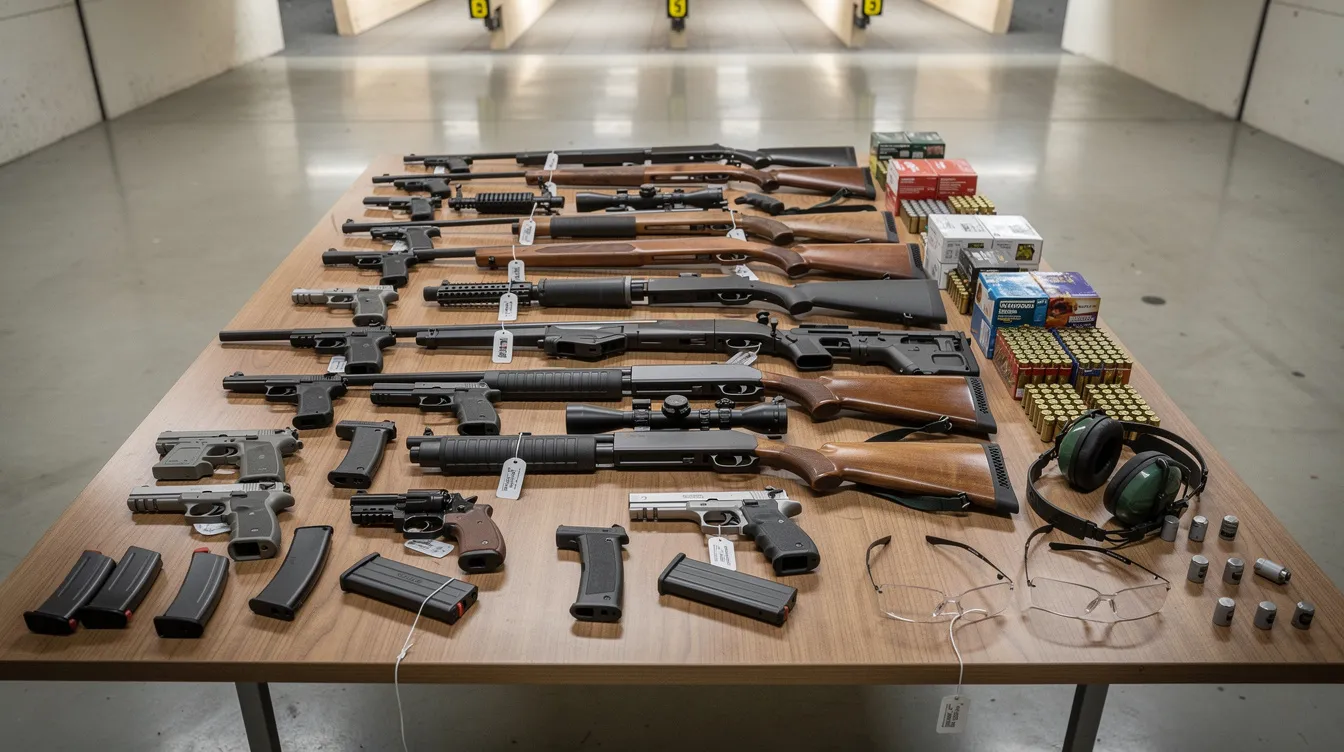
Pistol / Handgun: A weapon with a barrel less than 16 inches, designed to be fired with one hand, using combustible propellant (21 O.S. § 1289.3). This covers what most people picture as a concealed handgun.
-
Rifle: A long gun with a rifled barrel at least 16 inches long, with minimum overall length thresholds (21 O.S. § 1289.4).
-
Shotgun: A long gun with a smoothbore barrel at least 18 inches long (21 O.S. § 1289.5). A sawed off shotgun (barrel under 18 inches) or sawed off rifle (barrel under 16 inches) falls under additional restrictions and is treated as an NFA item.
-
Possession: Includes actual possession (physically holding or carrying), constructive possession (control, knowledge of its presence, and ability to exercise dominion), and possession in a vehicle or residence. Courts use jury instructions like OUJI-CR 6-45 to explain this concept. A firearm locked in a safe in your home can still constitute constructive possession if you have access and knowledge.
Practical Tips for Lawful Carry in Oklahoma
Most gun charges arise from misunderstandings about locations, identification duties, or mixing guns with other unlawful behavior. Here are practical steps to stay on the right side of the law:
-
Carry valid ID. Always carry a state photo identification card or driver’s license when carrying firearms. Oklahoma law requires identification during stops, detentions, or arrests. A law enforcement officer may ask whether you have a concealed or unconcealed firearm, and you must answer truthfully.
-
Know the key statutes. Familiarize yourself with at least 21 O.S. §§ 1272 (unlawful carry), 1277 (prohibited places), 1283 (felon possession), and 1289.25 (self defense). These cover the vast majority of situations you will encounter.
-
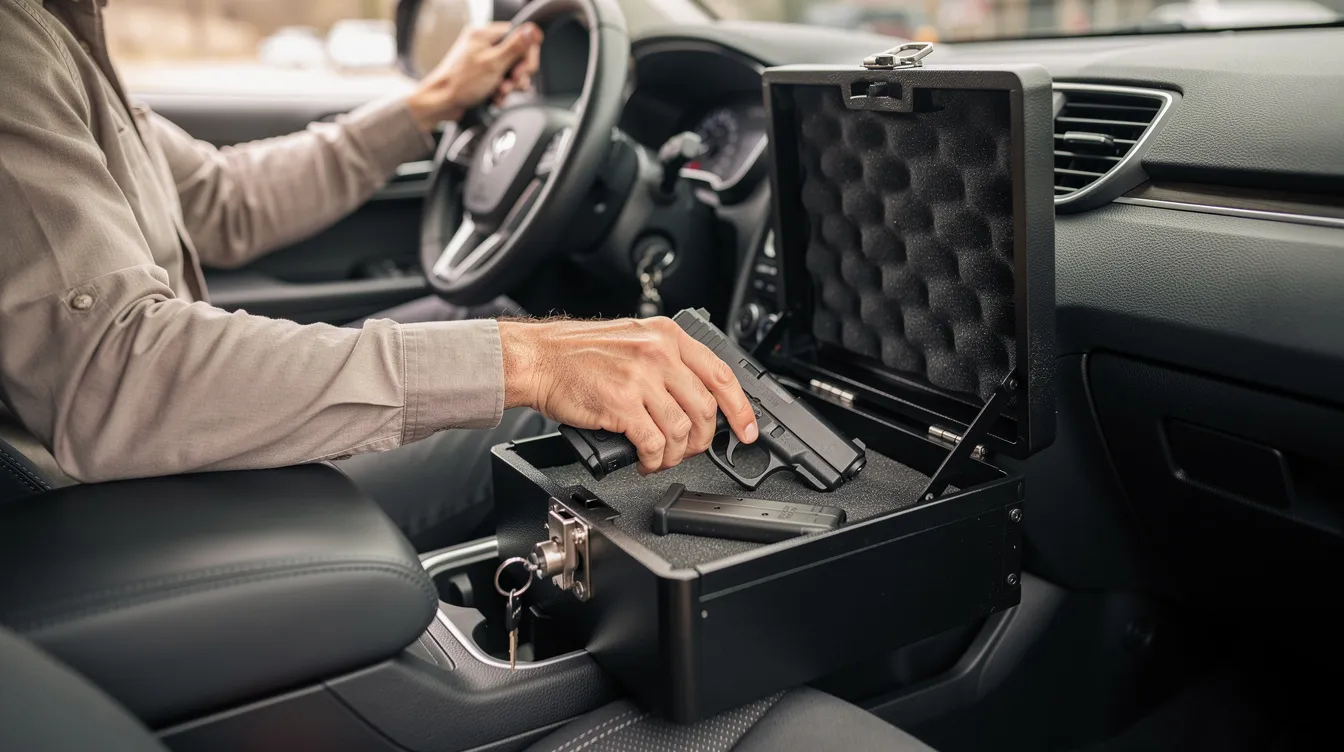
Store firearms safely in vehicles. Keep firearms holstered or secured, out of reach of children, and be aware of where your vehicle is parked. School parking lots, federal building garages, and secured government compounds often have their own restrictions.
-
Respect posted signs. If a business or property owner has posted a no-weapons policy, comply. The right to bear arms does not override a property owner’s right to control access on private property.
-
Seek legal advice promptly. If you are questioned, arrested, or charged in connection with firearm possession, use of deadly force, or carrying weapons in restricted places, contact a qualified Oklahoma firearms attorney immediately. Even justified self defense cases can become complex legal battles.
-
Stay current. Laws change. A political subdivision cannot override state preemption, but the legislature regularly updates statutes. Check the OSBI SDA Law Book periodically.
FAQ
Do I need a permit to carry a handgun in Oklahoma in 2026?
No. Most adults 21 and older (or 18 and older with active-duty or honorably discharged military service) who can lawfully possess a firearm may carry a concealed or unconcealed handgun without a permit under Oklahoma’s constitutional carry law. The self defense act license is optional but still available through OSBI and is helpful for handgun carry reciprocity when traveling to other states. Even without a permit, carriers must follow location-based restrictions, self defense rules, and identification requirements during police encounters.
Can I keep a loaded gun in my car in Oklahoma?
Oklahoma generally allows lawful possessors to keep loaded handguns in their vehicles, either concealed or in plain view. Long guns in vehicles have more specific rules about being loaded or chambered, and some statutes still require safe transport. Before assuming vehicle carry is legal, check whether the parking area itself sits on restricted property, such as a school parking lot or a secured government compound. An unconcealed firearm on a car seat is treated the same as one in a holster for eligibility purposes, but you must still be someone who may lawfully possess a firearm.
Do I have to tell a police officer that I am armed in Oklahoma?
Yes, if asked. Oklahoma law requires a person who is stopped, detained, or arrested to provide identification and to disclose actual possession of a concealed or unconcealed handgun when a law enforcement officer asks. Constitutional carry did not remove the duty to identify yourself and acknowledge firearm possession during lawful police contacts. During any routine traffic stop, keep your hands visible, remain calm, and follow the officer’s instructions regarding temporary disarming or securing of the weapon.
Where can I not carry under Oklahoma constitutional carry?
Off-limits locations include courthouses, jails, many government buildings with security, K–12 schools (inside buildings and much of the campus including any private school), many college buildings, certain gambling venues, and bars where serving alcoholic beverages for on-site drinking is the primary purpose. Firearms on federal property-post offices, federal courthouses, many federal facilities-are governed by separate federal law and are often strictly prohibited. Property owners can also ban guns on private property, and refusing to leave after being informed of a no-gun policy can result in trespass charges.
Is body armor legal to own and wear in Oklahoma?
Oklahoma Gun Laws: Constitutional Carry, Restrictions, and Penalties
Oklahoma is one of the most gun-friendly states in the nation, but that does not mean anything goes. Between constitutional carry, self defense protections, strict location bans, and enhanced penalties for misuse, there is a lot for oklahoma residents to understand before they strap on a holster. This guide breaks down everything you need to know about oklahoma gun laws as of 2026, from who can possess a firearm to where you can and cannot carry one.
Key Takeaways
-
Oklahoma is a constitutional carry state, meaning most adults 21 and older (or 18 and older with military service) may carry a concealed or unconcealed handgun without a permit, provided they can lawfully possess a firearm.
-
The oklahoma self defense act still offers optional licenses through the oklahoma state bureau of Investigation (OSBI), which are useful for reciprocity with other states and can speed up firearm purchases at dealers.
-
Carrying firearms remains illegal in many sensitive locations, including K–12 schools, courthouses, jails, many government buildings, bars where alcohol is the primary purpose, and venues hosting a professional sporting event.
-
Convicted felons, adjudicated delinquents, and other prohibited persons face felony charges for possession of a firearm, and body armor worn during a felony carries severe sentence enhancements.
-
Oklahoma’s self defense laws-including castle doctrine and stand your ground law provisions-can justify deadly force against intruders, but reckless conduct, carrying while intoxicated, and pointing firearms without justification remain heavily penalized.
Overview of Oklahoma Gun Laws in 2026
Oklahoma is widely considered a strong permitless carry state, with detailed firearm statutes primarily found in Title 21 of the Oklahoma Statutes (Chapter 53 and related sections) and self defense provisions like 21 O.S. § 1289.25. The state’s gun laws cover firearm possession, carrying firearms in public, restricted places, penalties for misuse, and enhancements when guns are used during other crimes.
The critical date to remember is November 1, 2019, when permitless carry took effect under HB 2597. Before that, a valid handgun license was required for most public carry. Concealed carry does not require a permit since November 1, 2019, and open carry follows the same rule for eligible adults.
Oklahoma law also preempts local regulation of firearms. Under Title 21 § 1289.24, no city, county, or other political subdivision may enact ordinances that conflict with state firearm statutes. This means gun laws are uniform across the state, whether you are in Oklahoma City, Tulsa, or a rural town.
The laws discussed here are current as of mid-2026 but can change with each legislative session. Always verify the latest statutes before relying on any summary. This article provides practical, plain-English explanations rather than dense legal jargon, while still citing key statute numbers where helpful.
Who May Possess Firearms in Oklahoma
Lawful firearm possession is the foundation for any right to carry, whether concealed or unconcealed. If you cannot legally possess a firearm, no carry law-constitutional or otherwise-protects you.
General Eligibility
Under both state and federal law, the following adults may generally possess firearms in Oklahoma:
-
Persons aged 21 or older (or 18+ if active-duty military, reserves, National Guard, or honorably discharged veterans)
-
Not convicted of any felony offense
-
Not under active probation, parole, or Department of Corrections supervision
-
Not subject to an active protective order
-
Not adjudicated mentally incompetent or committed to a mental institution
-
Not an unlawful user of controlled substances
Prohibited persons include convicted felons and individuals subject to specific protective orders. Federal law creates additional categories-such as domestic-violence misdemeanants and unlawful drug users-that apply in Oklahoma even if not separately listed in state gun laws.
Convicted Felons
Under 21 O.S. § 1283, a convicted felon is barred from possessing any firearm, including pistols, rifles, shotguns, a sawed off shotgun, a sawed off rifle, and machine guns. This prohibition extends to actual possession, constructive possession (such as a gun stored in the person’s vehicle or residence), and any firearm within their control. Possession of a firearm by a convicted felon is a felony, punishable by one to ten years in prison.
An adjudicated delinquent whose juvenile offense would have been a felony if committed by an adult is prohibited from firearm possession for ten years after adjudication. Those individuals have very few protections when it comes to restoring gun rights.
Restoration of firearm rights is narrow. Only persons convicted of a nonviolent felony who obtain a full and complete pardon-with no other unpardoned felony-may regain the right to possess a firearm. Expungement alone is not sufficient. Legislation has considered restoring firearm rights to nonviolent felons after completing sentences, but as of 2026, the pardon remains the only statutory path.
Buying, Selling, and Owning Firearms
Oklahoma imposes relatively few state-level barriers on buying and owning guns beyond what federal law requires. There is no state-mandated waiting period for purchasing firearms, no firearm registration requirement for ordinary guns, and no state registry for most firearms.
Private Sales
Private firearm sales are legal in Oklahoma. A private seller may transfer a firearm to another individual without involving a licensed dealer. However, one must be 21 to buy a firearm from a private seller under state law. It is illegal to knowingly sell or give firearms to a convicted felon, an adjudicated delinquent, or other prohibited persons. Selling firearms to prohibited persons is illegal and punishable, with penalties including potential jail time.
Dealer (FFL) Sales
Federal background checks are required when purchasing from dealers (Federal Firearms Licensees). The NICS check can take up to three business days to complete. If the system has not returned a denial within that window, the dealer may proceed with the transfer by default-though some dealers choose to wait. When verification is successful after the background check, the purchase moves forward without further purchase delay.
Handgun purchases from FFLs generally require buyers to be at least 21, while rifles and shotguns can often be purchased at 18, subject to federal rules. Holders of a valid SDA handgun license may qualify as a “NICS Alternate Permit,” meaning the dealer may skip the point-of-sale background check in some transactions.
Occasionally, despite national failures in reporting to the NICS database, the system catches most prohibited buyers. Oklahoma relies on the federal framework rather than adding a separate state background check layer.
NFA Items
National Firearms Act items-short-barreled rifles, short-barreled shotguns, suppressors, and machine guns-are lawful only if properly registered under federal law. Unregistered possession of these items is a felony under both federal and state statutes.
Minors and Firearm Possession
Minors have more limited firearm rights than adults, especially regarding unsupervised handgun possession.
-
Minors under 18 cannot possess firearms in Oklahoma under the general rule of 21 O.S. § 1273.
-
Minors may possess rifles and shotguns for hunting, sport shooting (skeet, trap), firearm safety courses, or education under appropriate supervision.
-
Minors can own firearms given by parents or guardians, typically rifles or shotguns intended for hunting or sport, but unsupervised public carry of handguns is not allowed.
-
Providing a firearm to a minor who is not authorized to have one is a misdemeanor. A first offense can bring up to 30 days in jail and a fine up to $250, with penalties increasing for repeat offenses.
Oklahoma does not have a specific safe-storage statute mandating locked firearms in homes with children, but adults who furnish weapons to minors or allow negligent access can face criminal charges. The emphasis here is on adult supervision and responsible storage whenever minors are around firearms.
Constitutional Carry and the Oklahoma Self-Defense Act
Oklahoma operates under both constitutional carry and the self defense act (SDA), which governs optional handgun licensing.
Constitutional Carry
Oklahoma allows permitless carry for adults 21 and older. Any eligible person who is at least 21 (or 18 with qualifying military service) and is not a prohibited person may carry a concealed or unconcealed firearm without a state permit. Oklahoma allows permitless concealed carry for adults 21 and older, and open carry is also included under the same framework.
Constitutional carry applies to both oklahoma residents and visitors. Oklahoma recognizes all out-of-state handgun carry permits, meaning a visitor with a valid license from another state also has carry privileges.
However, constitutional carry did not change who may lawfully possess a firearm. It did not authorize carrying in every location, and it did not override federal law. The same location restrictions and prohibited-person rules that existed before 2019 still apply, and protections remain only for those who are legally eligible.
The SDA License
The self defense act license is still available through the Oklahoma State Bureau of Investigation (OSBI). Applications go through the county sheriff, require fingerprinting, a training certificate, and OSBI review.
When applying for an SDA license online through the OSBI portal, the system may require performing security verification to confirm applicants are real people and not malicious bots targeting government websites. Once the security verification clears and the system can respond (ray id and session confirmed), verification successful messages appear, allowing applicants to proceed with the physical processes of uploading documents and photos.
Licenses are issued for 5-year (~$100) or 10-year (~$200) terms. The main benefits of holding a state permit include:
|
Benefit |
Details |
|---|---|
|
Reciprocity |
Recognized in many other states that require permits |
|
NICS Alternative |
May bypass point-of-sale background checks at dealers |
|
Identification |
Provides clear proof of training and vetting |
A valid handgun license is not required for carry within Oklahoma, but it remains a practical tool for anyone who travels.
Concealed Carry vs. Open Carry
Concealed carry means the firearm is hidden from ordinary view-inside a waistband, under a jacket, or in a bag. Open carry means the firearm is visibly worn, such as in a holster on the hip.
Oklahoma allows both. Individuals 21 or older can carry firearms openly or concealed without a license. Individuals must be 18 or older to open carry in Oklahoma with qualifying military service. Open carry is legal without a permit for eligible adults, and concealed carry follows the same eligibility rules.
Carrying a concealed or unconcealed handgun in a vehicle is generally allowed for lawful possessors, but separate rules apply to school property, federal property, and other restricted locations.
Practical Considerations
-
Open carry may attract more attention from a law enforcement officer or bystanders, which can lead to more frequent contacts or questions.
-
Concealed carry is more discreet but must never be used to threaten or intimidate.
-
During a routine traffic stop, an officer may ask whether you are carrying. How the gun is carried-open or concealed-often matters less legally than whether the person was eligible, the location was lawful, and the conduct complied with oklahoma gun laws.
Oklahoma’s constitution protects the right to bear arms, and the state’s militia clause references both civil power and the duty of citizens thereunto legally summoned, reinforcing a deep cultural tradition of firearm ownership. Household firearm ownership rates in Oklahoma are among the highest in the country.
Carrying Firearms in Public Places
Constitutional carry covers a wide range of public areas, but oklahoma law still carves out sensitive locations where carrying weapons is restricted.
General public carry is straightforward: streets, sidewalks, many parks, and most businesses are lawful areas for carrying firearms for eligible adults, unless specifically posted or prohibited by statute. Since November 1, 2017, carrying firearms on public buses is generally legal, subject to other weapon and conduct rules.
Oklahoma distinguishes between public property (like state office buildings) and private property (like stores or private land), with different rights and restrictions in each setting. The subsections below cover prohibited places, liquor establishments, schools, and private-property rules in detail.
Restrictions on Carrying Handguns and Other Weapons
Even lawful carriers face location-based and weapon-type limits.
Oklahoma’s unlawful carry statute (21 O.S. § 1272) generally bans carrying offensive weapons unless an exception-such as constitutional carry or an SDA license-applies. This statute also covers knives, brass knuckles, and other items classified as a dangerous weapon, so carrying them may be illegal even if handgun carry would be lawful.
Long guns (rifles and shotguns) have their own transport and carry rules under 21 O.S. §§ 1289.3–1289.6, with more limits on how they may be carried loaded in vehicles or public areas. For example, specific statutes address whether a rifle may be chambered while inside a vehicle.
Handguns over .45 caliber face carry restrictions under certain Oklahoma statutes, so ultra-large-bore pistols may not be legal to carry in public. Always check current definitions before carrying unusual firearms.
Places Where Carry Is Prohibited or Restricted
Oklahoma constitutional carry does not apply in certain sensitive locations, where carrying weapons can bring misdemeanor or felony charges.
Common restricted places under 21 O.S. § 1277 and related statutes include:
-
Courthouses and judicial buildings
-
Jails, prisons, and any detention facility
-
Many government buildings with a security service or controlled entry
-
Any public or private school (K–12), including much of the campus
-
Most college and technology center buildings
-
Venues hosting a professional sporting event
-
Some gambling establishments
-
Certain special events with controlled entry
Carrying firearms in schools is illegal in Oklahoma. More specifically, carrying a firearm on school property is a felony under 21 O.S. § 1280.1, punishable by up to two years in prison and a $5,000 fine. This includes the grounds of any public or private school.
Carrying firearms is prohibited in schools and government buildings across the state. Unlawful carry in certain places is a misdemeanor punishable by a fine of $250 in many situations, though specific locations like schools or federal facilities can trigger felony charges.
Parking lots near restricted buildings sometimes have slightly more lenient rules, allowing firearms to remain locked in vehicles under specific circumstances. Federal property-post offices, federal courthouses, military installations-is governed by separate federal law and is often strictly off-limits for firearms.
Private Property and Business Rules
Private property rights coexist with Oklahoma’s right to bear arms. Businesses and private landowners may forbid firearms on their premises, often using posted “no guns” or “no weapons” signs, or through direct verbal notice.
Ignoring such a policy and refusing to leave when asked can result in trespass charges, even if carrying is otherwise legal under state gun laws. The property owner’s wishes control on private property.
Carrying on your own private property or residence is generally lawful for adults who may possess firearms, but brandishing or threatening others without a self defense justification is still criminal. Respect posted rules, and avoid confrontations with business owners or security service personnel.
Use of Physical and Deadly Force in Oklahoma
Oklahoma’s self defense laws, codified primarily in 21 O.S. § 1289.25, define when using deadly force with a firearm is legally justified. Oklahoma follows the Castle Doctrine and Stand Your Ground principles.
Castle Doctrine
Oklahoma presumes that the use of force-including deadly force-is reasonable when an intruder unlawfully and forcibly enters a dwelling, occupied vehicle, place of business, or place of worship. The defender is presumed to have had a reasonable fear of death or serious bodily harm, and the intruder is presumed to have intended a violent act.
Exceptions exist: the presumption does not apply against co-owners, children in lawful custody, or lawful residents of the dwelling.
Stand Your Ground
Oklahoma’s stand your ground law provisions allow individuals who are lawfully present and not engaged in crime to stand his or her ground and meet force with force, including deadly force, if they reasonably believe it is necessary to prevent death or great bodily harm, or to prevent the imminent commission of a forcible felony.
There is no duty to retreat when you are lawfully in a place-whether that is your home, your car, or a public sidewalk.
Limitations
Deadly force must be proportionate and based on a reasonable fear. Merely being insulted, shoved, or verbally threatened usually does not justify shooting. If you provoke the confrontation, you may lose the legal protections. Force used solely in defense of property-without an accompanying threat of death or serious harm-is generally not justified.
Civil and criminal immunity may apply in some justified self defense situations, but complex cases often require qualified legal counsel. The immunity provisions of § 1289.25 are powerful but not absolute.
Common Firearm-Related Crimes and Penalties
Oklahoma imposes a wide range of criminal penalties for misuse of firearms, separate from basic possession or carry rules.
|
Offense |
Statute |
Classification |
Potential Penalty |
|---|---|---|---|
|
Unlawful carry in restricted places |
21 O.S. §§ 1272, 1277 |
Misdemeanor |
Fine up to $250, possible jail |
|
Firearm on school property |
21 O.S. § 1280.1 |
Felony |
Up to 2 years, $5,000 fine |
|
Pointing a firearm |
21 O.S. § 1279 |
Misdemeanor/Felony |
Varies |
|
Reckless conduct with firearm |
21 O.S. § 1289.11 |
Misdemeanor/Felony |
Fine up to $500, up to 6 months jail |
|
Firearm during felony |
21 O.S. § 1287 |
Enhanced Felony |
Additional 2–10 years |
|
Furnishing to prohibited person |
21 O.S. § 1289.12 |
Misdemeanor/Felony |
Varies |
Carrying a firearm while committing a felony adds 2 to 10 years in prison on top of the underlying offense. The enhancement is a separate crime from the original felony.
Pointing a firearm at another person-loaded or unloaded-without a self defense justification is a criminal offense. Reckless conduct, such as discharging a weapon in a populated area, can also bring misdemeanor or felony charges depending on the harm caused.
It is illegal to provide firearms to mentally incompetent persons, and furnishing guns to felons or intoxicated persons can itself be a crime even if no shooting occurs.
Guns, Alcohol, and Intoxication
Combining firearms with alcohol or drugs is a frequent source of arrests in Oklahoma.
Carrying weapons while under the influence of alcohol, illegal drugs, or impairing prescription medication is a misdemeanor under 21 O.S. § 1289.9, with fines and possible county jail time. Responsible carriers should avoid handling or carrying firearms while consuming alcoholic beverages or using any substance that impairs judgment.
It is a felony to carry a firearm in alcohol-serving establishments where on-premises consumption is the primary purpose. If an establishment derives less than sixty percent of its revenue from food and other non-alcohol sources, it may be classified as a bar or liquor-dominant venue, triggering the prohibition. Penalties can include one to two years of imprisonment. A restaurant that happens to serve drinks is treated differently, but the line can be blurry-when in doubt, leave your firearm secured elsewhere.
Restrictions on Convicted Felons, Ammunition, and Body Armor
A convicted felon faces strict bans on firearm possession, often punishable by 1–10 years in prison under 21 O.S. § 1283. The same applies to certain adjudicated delinquent individuals during the ten-year prohibition period.
Oklahoma also regulates restricted ammunition. Manufacturing, selling, or possessing ammunition capable of penetrating body armor-commonly called armor-piercing rounds-can carry serious felony penalties under 21 O.S. §§ 1289.20–1289.21, often with mandatory prison terms.
Body armor is generally lawful for civilians to purchase and wear. However, Oklahoma’s body armor statute (21 O.S. § 1289.26) criminalizes wearing body armor during the commission or attempted commission of a felony, adding up to 10–20 years of imprisonment on top of the underlying offense. These enhancements reflect legislative intent to punish armed, armored, or heavily equipped criminals more severely.
Oklahoma does not have a red flag law, and recent legislative sessions have reinforced this position. The state has taken an anti red flag law stance, meaning there is no mechanism for extreme risk protection orders that would allow courts to temporarily seize firearms based on petitions from family or law enforcement. Supporters argue this protects due process; critics point to Oklahoma’s highest gun suicide rates in the nation as evidence that additional intervention tools are needed.
Definitions of Key Firearm Terms Under Oklahoma Law
Statutory definitions matter because they determine how gun laws apply in court. Getting them wrong can mean the difference between a lawful act and a felony.
-
Firearm: A weapon that discharges a projectile by explosive force (such as gunpowder), excluding typical airguns or CO₂ guns.
-
Pistol / Handgun: A weapon with a barrel less than 16 inches, designed to be fired with one hand, using combustible propellant (21 O.S. § 1289.3). This covers what most people picture as a concealed handgun.
-
Rifle: A long gun with a rifled barrel at least 16 inches long, with minimum overall length thresholds (21 O.S. § 1289.4).
-
Shotgun: A long gun with a smoothbore barrel at least 18 inches long (21 O.S. § 1289.5). A sawed off shotgun (barrel under 18 inches) or sawed off rifle (barrel under 16 inches) falls under additional restrictions and is treated as an NFA item.
-
Possession: Includes actual possession (physically holding or carrying), constructive possession (control, knowledge of its presence, and ability to exercise dominion), and possession in a vehicle or residence. Courts use jury instructions like OUJI-CR 6-45 to explain this concept. A firearm locked in a safe in your home can still constitute constructive possession if you have access and knowledge.
Practical Tips for Lawful Carry in Oklahoma
Most gun charges arise from misunderstandings about locations, identification duties, or mixing guns with other unlawful behavior. Here are practical steps to stay on the right side of the law:
-
Carry valid ID. Always carry a state photo identification card or driver’s license when carrying firearms. Oklahoma law requires identification during stops, detentions, or arrests. A law enforcement officer may ask whether you have a concealed or unconcealed firearm, and you must answer truthfully.
-
Know the key statutes. Familiarize yourself with at least 21 O.S. §§ 1272 (unlawful carry), 1277 (prohibited places), 1283 (felon possession), and 1289.25 (self defense). These cover the vast majority of situations you will encounter.
-
Store firearms safely in vehicles. Keep firearms holstered or secured, out of reach of children, and be aware of where your vehicle is parked. School parking lots, federal building garages, and secured government compounds often have their own restrictions.
-
Respect posted signs. If a business or property owner has posted a no-weapons policy, comply. The right to bear arms does not override a property owner’s right to control access on private property.
-
Seek legal advice promptly. If you are questioned, arrested, or charged in connection with firearm possession, use of deadly force, or carrying weapons in restricted places, contact a qualified Oklahoma firearms attorney immediately. Even justified self defense cases can become complex legal battles.
-
Stay current. Laws change. A political subdivision cannot override state preemption, but the legislature regularly updates statutes. Check the OSBI SDA Law Book periodically.
FAQ
Do I need a permit to carry a handgun in Oklahoma in 2026?
No. Most adults 21 and older (or 18 and older with active-duty or honorably discharged military service) who can lawfully possess a firearm may carry a concealed or unconcealed handgun without a permit under Oklahoma’s constitutional carry law. The self defense act license is optional but still available through OSBI and is helpful for handgun carry reciprocity when traveling to other states. Even without a permit, carriers must follow location-based restrictions, self defense rules, and identification requirements during police encounters.
Can I keep a loaded gun in my car in Oklahoma?
Oklahoma generally allows lawful possessors to keep loaded handguns in their vehicles, either concealed or in plain view. Long guns in vehicles have more specific rules about being loaded or chambered, and some statutes still require safe transport. Before assuming vehicle carry is legal, check whether the parking area itself sits on restricted property, such as a school parking lot or a secured government compound. An unconcealed firearm on a car seat is treated the same as one in a holster for eligibility purposes, but you must still be someone who may lawfully possess a firearm.
Do I have to tell a police officer that I am armed in Oklahoma?
Yes, if asked. Oklahoma law requires a person who is stopped, detained, or arrested to provide identification and to disclose actual possession of a concealed or unconcealed handgun when a law enforcement officer asks. Constitutional carry did not remove the duty to identify yourself and acknowledge firearm possession during lawful police contacts. During any routine traffic stop, keep your hands visible, remain calm, and follow the officer’s instructions regarding temporary disarming or securing of the weapon.
Where can I not carry under Oklahoma constitutional carry?
Off-limits locations include courthouses, jails, many government buildings with security, K–12 schools (inside buildings and much of the campus including any private school), many college buildings, certain gambling venues, and bars where serving alcoholic beverages for on-site drinking is the primary purpose. Firearms on federal property-post offices, federal courthouses, many federal facilities-are governed by separate federal law and are often strictly prohibited. Property owners can also ban guns on private property, and refusing to leave after being informed of a no-gun policy can result in trespass charges.
Is body armor legal to own and wear in Oklahoma?
Body armor is generally lawful for most civilians to purchase and wear for personal protection or lawful work. Wearing body armor during the commission or attempted commission of a felony is a separate crime under 21 O.S. § 1289.26, adding up to 10–20 years in prison on top of other sentences. A convicted felon or other prohibited person found with body armor may face additional scrutiny, especially if combined with weapons or suspicious conduct. For ordinary, law-abiding oklahoma residents, owning and wearing body armor is not a crime.
Meta tags
title
Understanding Oklahoma Gun Laws: Essential Insights for Gun Owners
66/70
description
Navigate Oklahoma’s gun laws with clarity. Gain essential insights for responsible ownership and stay informed. Read the article for key information.
149/156