North Dakota Gun Laws: Constitutional Carry, Permits, and Key Restrictions
North Dakota Gun Laws: Constitutional Carry, Permits, and Key Restrictions
Key Takeaways
-
north dakota is a permitless carry state: most adults 18+ who may legally possess a firearm can carry concealed without a permit, but important restrictions still apply.
-
Constitutional carry law took effect on August 1, 2017; residents originally had to meet a residency rule, but as of 2023, no residency requirement exists for carrying under constitutional carry.
-
Open carry of a loaded handgun generally requires a North Dakota Class 1 or Class 2 concealed weapons license, while unloaded open carry is less restricted.
-
Background checks are required for handgun purchases at licensed dealers, but North Dakota does not mandate universal background checks for every private in-state transfer.
-
This guide is informational only, not legal advice. Always check the current North Dakota Century Code and Attorney General guidance before relying on any summary of north dakota gun laws.
Overview of North Dakota Gun Laws
North Dakota has permissive gun laws with constitutional carry and a shall-issue permit system. In plain English, that means many eligible adults can carry without first getting a state permit, and those who do want a license can generally receive one if they meet the legal requirements.
North Dakota gun laws mainly come from Title 62.1 of the North Dakota Century Code, especially Chapters 62.1-01 through 62.1-04. These laws address weapons definitions, possession, purchase, public carry, concealed carry, licenses, and prohibited places. Self-defense rules are found elsewhere in state law, including Title 12.1.
The state distinguishes between open carry and concealed carry. A concealed firearm is hidden from ordinary observation, while open carry means the handgun or other weapon is visible. Different rules also apply to handguns versus long guns, such as rifles and shotguns.
A few big-picture points help make the rest easier to understand:
-
North Dakota is a constitutional carry state for eligible adults.
-
North Dakota still issues Class 1 and Class 2 concealed weapon licenses for reciprocity benefits.
-
No firearm registration is required in North Dakota for ordinary firearms.
-
State law prohibits local ordinances more restrictive than state firearms laws.
-
A city, county, or other political subdivision generally cannot pass an ordinance relating to firearm purchase, possession, registration, licensing, or transportation that is stricter than state law.
-
A local zoning ordinance may still affect where a business operates, but it cannot be used as a backdoor method of prohibiting guns in a way that conflicts with state preemption.
Constitutional Carry and Concealed Weapons Licenses
“Constitutional carry” in North Dakota is often called constitutional concealed carry or permitless carry. It means a qualified person may carry concealed without a North Dakota concealed weapons license, as long as that person meets the conditions set by state and federal law.
The constitutional carry law was enacted in 2017 and became effective on August 1, 2017. At first, the law was narrower: a north dakota resident had to have lived in the state for at least one year and carry valid state-issued photo identification. Residency requirement was removed in 2023, and as of 2023, no residency requirement exists for carrying under North Dakota’s permitless carry system.
Today, most eligible residents and nonresidents may carry concealed if they meet the basic rules. In general, the person must be at least 18 years old to carry concealed in North Dakota, must not be a person prohibited from possessing a firearm, must carry a valid driver’s license or state-issued photo ID, and must not be under the influence of alcohol or controlled substances while carrying. North Dakota residents must carry a state-issued photo ID, and a valid driver’s license will typically satisfy that ID requirement.
Individuals prohibited by state or federal law cannot carry under constitutional carry laws. Federal law and state law can block gun possession for felony convictions, certain domestic violence offenses, certain violent criminal offenses, qualifying protection orders, unlawful drug use, and some mental health adjudications. In other words, constitutional carry does not erase a firearms disability.
Constitutional carry is useful for everyday lawful carry inside North Dakota, but a license still matters. North Dakota recognizes valid concealed carry permits from other states, and other states may recognize North Dakota licenses depending on reciprocity. If you travel, a Class 1 license is usually more valuable than relying only on permitless carry.
There is one point that often causes confusion: vehicles. Constitutional carry law allows loaded guns in vehicles only when the person satisfies the applicable legal conditions and exceptions. Transporting a loaded firearm in a vehicle is restricted under permitless carry provisions, and carrying in vehicles was codified in North Dakota in 2019. Because vehicle rules can turn on whether the gun is loaded, concealed, visible, a handgun, or a long gun, anyone who regularly transports a loaded gun should read the current statute carefully or seek legal advice.
Class 1 vs. Class 2 North Dakota Concealed Weapons Licenses
North Dakota offers two main types of concealed weapons license: Class 1 and Class 2. Both are administered through the North Dakota Bureau of Criminal Investigation under the Attorney General, and both can help with reciprocity outside the state.
A Class 1 license is more demanding. It generally requires in-person instruction, testing on firearms law and safety, a live-fire qualification, fingerprints, and a background check. Because it has more training requirements, it is recognized by more states than the Class 2 license.
A Class 2 license is easier to obtain. It generally requires a written test rather than a live-fire qualification. It can still be useful, but it tends to have narrower recognition outside North Dakota.
The basic application process includes completing the state application, providing fingerprints, submitting identifying information such as your address, passing required background checks, passing the required test, and paying the applicable fee. The North Dakota Attorney General’s concealed weapon license guidance is the best official starting point for forms, fees, and renewal instructions.
Licenses are typically valid for five years. Processing can take several weeks, depending on application volume and background check timing. A license is not required for every lawful concealed carry situation inside North Dakota, but it can make travel and certain carry questions much simpler.
Open Carry Rules in North Dakota
Open carry means carrying a firearm where it can be seen. North Dakota allows open carry in many situations, but the rules change depending on whether the handgun is loaded or unloaded.
Open carry of an unloaded handgun is generally legal for most adults who are not otherwise prohibited. Open carry of a loaded handgun typically requires a North Dakota concealed weapons license. Open carry is legal for residents and non-residents with a recognized concealed weapon license, assuming they follow all location restrictions and other carry law requirements.
Long guns are treated differently from handguns. Rifles and shotguns are often subject to transportation and hunting-related rules, especially in a vehicle. For example, taking a rifle to a hunting area may require attention to whether the firearm is unloaded, whether it is cased, and whether game and fish regulations apply.
Here are a few practical examples:
-
Walking in town with an unloaded, visible holstered handgun may be lawful for an eligible adult, but local circumstances and restricted locations still matter.
-
Walking in town with a loaded handgun openly displayed usually raises the license issue.
-
Driving with a loaded firearm in a vehicle requires careful attention to North Dakota’s vehicle carry rules.
-
Transporting a rifle to a hunting area is usually less about concealed carry and more about unloaded transport, casing rules, and hunting regulations.
If you are unsure whether a handgun is considered concealed or openly carried, do not guess. North Dakota’s definition can turn on ordinary observation, clothing, vehicle placement, and context.
Who May Possess and Purchase Firearms in North Dakota
North Dakota is gun-friendly, but it still has clear restrictions on gun possession and purchase. A person must be legally eligible under both state and federal law.
For age, the most important number for carry is 18. Must be 18 years old to carry concealed in North Dakota. Federal law usually requires a buyer to be 21 to purchase a handgun from a federally licensed dealer, while long gun rules differ. Juvenile possession and temporary transfers for hunting, target practice, or supervised training have more detailed rules.
A person may be prohibited from possessing guns because of:
-
felony convictions or certain violent criminal offenses;
-
qualifying domestic violence convictions;
-
certain protection orders;
-
specific mental health adjudications or commitments;
-
unlawful controlled substance use;
-
other restrictions imposed by federal law or state law.
For purchase rules, a retail sale by a federally licensed dealer requires a federal NICS check. Background checks are required for handgun purchases at licensed dealers, and they also apply to dealer sales of rifles and shotguns. North Dakota does not currently require universal background checks for every private sale between individuals who are legally allowed to complete the transfer. In that sense, the state lacks a universal private-sale background check mandate.
There is no general waiting period under North Dakota state law, and no firearm registration is required in North Dakota for ordinary owners. However, military bases, federal facilities, and certain secured properties may have their own rules. For example, a military installation can impose registration or storage requirements that go beyond ordinary state carry rules.
North Dakota also has restrictions on certain rapid-fire devices like bump stocks. Anyone buying accessories, modified triggers, or regulated devices should check both North Dakota law and federal law before purchase or possession.
Locations Where You Cannot Carry Firearms
Even with constitutional carry, specific locations prohibit carrying firearms in North Dakota as defined by law. A permit does not give unlimited authority to carry firearms everywhere.
Common restricted places include:
-
K–12 school property and school-sponsored events;
-
school buses and certain school activities;
-
courthouses and judicial facilities;
-
secured areas of airports;
-
certain public buildings or public meetings;
-
federal facilities, including post offices and federal courthouses;
-
private property where the owner has posted or personally communicated a firearm ban.
Concealed weapons are prohibited in schools and school-sponsored events, with narrow exceptions for law enforcement, authorized personnel, and other limited circumstances. A law enforcement officer acting within official duties is treated differently from an ordinary member of the public.
Private businesses may also set their own rules. If a store, venue, or residence posts clear signage or tells you firearms are not allowed, refusing to leave or disarm can become a trespass issue. That is true even if you otherwise have a constitutional right to bear arms.
Places serving alcoholic beverages deserve special attention. A liquor establishment, bar area, or restaurant area primarily set aside for alcohol consumption can trigger restrictions. Carrying while intoxicated is also prohibited. Even if carry is technically allowed in part of a restaurant, consuming alcohol while armed can create criminal and civil risk.
Federal facilities are governed by federal law, which can be stricter than North Dakota law. Do not assume that constitutional carry applies in a post office, federal courthouse, airport secure area, or some Army Corps of Engineers property.
Interaction With Law Enforcement While Carrying
North Dakota requires transparency when an armed person carrying concealed has official contact with law enforcement. Individuals must inform police about their handgun during contact, and residents must inform police about their handgun upon contact.
If you are carrying under constitutional carry or with a permit, you should have your photo ID with you. If you have a license, carry the license too. A digital image of a license on your phone is not a safe substitute for carrying the actual required document unless current law or official guidance clearly allows it.
Best practice during a traffic stop is simple:
-
keep your hands visible;
-
tell the officer early that you are carrying a concealed weapon;
-
state where the handgun is located;
-
do not reach for the firearm unless instructed;
-
follow every instruction calmly.
Failure to inform or failure to present ID or a permit when required can lead to criminal consequences or license revocation. The point of the rule is safety: officers do not want surprises, and armed citizens benefit from clear communication.
Law enforcement agencies in North Dakota use background checks and criminal history records to determine eligibility for permits and to enforce firearm prohibitions. The Bureau of Criminal Investigation, courts, and police records all play a role in determining whether a person can lawfully possess or carry weapons.
North Dakota’s Second Amendment Sanctuary Status and State Preemption
Governor Doug Burgum signed HB 1383 limiting federal firearms law enforcement. North Dakota was designated a Second Amendment Sanctuary State on April 26, 2021, after the Governor formally announced that status.
In general, HB 1383 restricts the use of state and local resources to enforce certain federal firearm regulations adopted after a specified date if those federal rules are more restrictive than North Dakota law. This does not erase federal law. It does, however, shape how state and local agencies cooperate with certain federal enforcement efforts.
North Dakota also has strong state preemption. A political subdivision generally cannot pass local gun laws on possession, purchase, licensing, registration, or transportation that are stricter than state law. This is why a city cannot usually create its own separate permit scheme or local ban that conflicts with statewide gun laws.
The state also protects firearm manufacturers and dealers from some lawsuits based solely on criminal misuse of their products, while still allowing claims for defective products and other recognized legal theories. Firearm buyback programs are prohibited by North Dakota state law.
This framework reflects a policy choice: North Dakota law strongly protects lawful gun ownership, the ability to bear arms, and certain inalienable rights recognized in the state and federal constitutional tradition. At the same time, debates about gun deaths, gun violence, public safety, and responsible ownership continue across the state and country.
Gun Violence, Safety, and Responsible Ownership
Strong gun rights do not remove the need for safe handling. Gun violence, suicide, accidental shootings, and negligent storage are real concerns even in states with broad public carry rights.
Responsible owners should follow fundamental gun safety laws and habits:
-
treat every gun as loaded;
-
keep your finger off the trigger until ready to shoot;
-
never point a firearm at anything you are not willing to destroy;
-
know your target and what is beyond it;
-
store firearms securely when not in use.
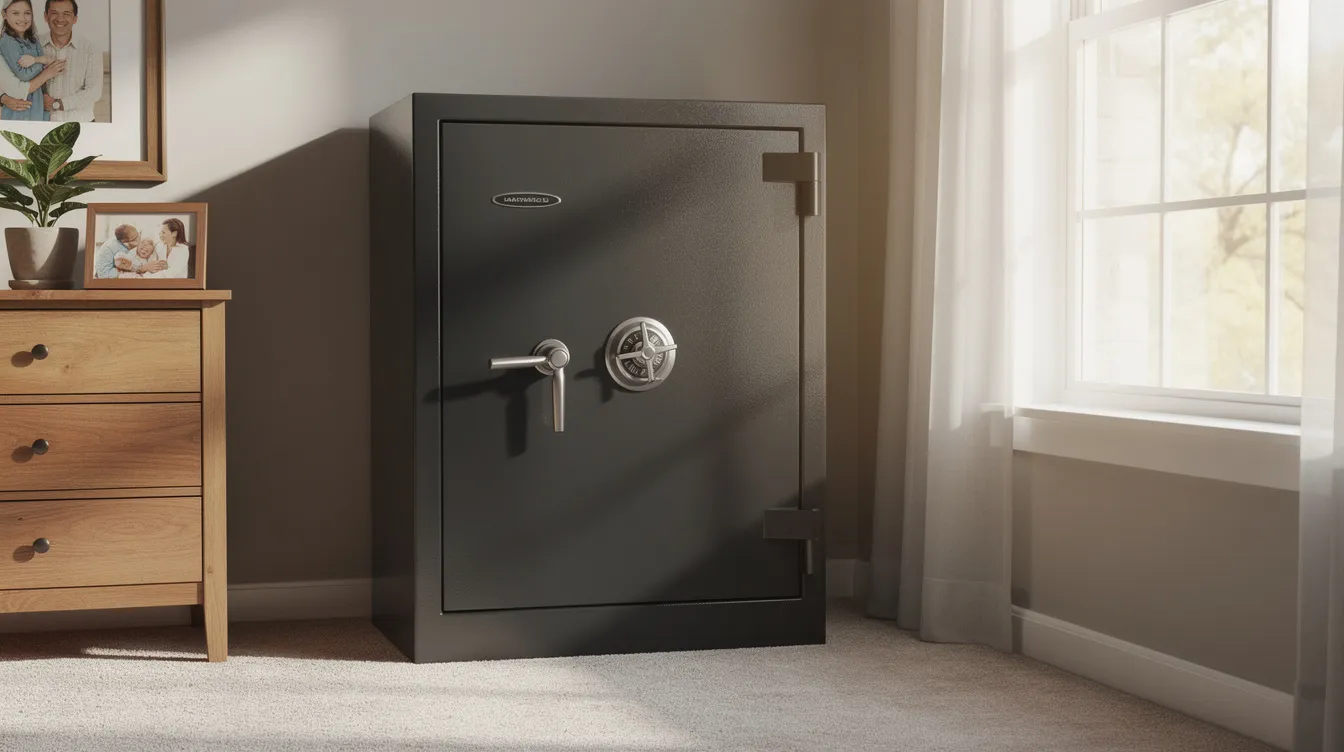
Safe storage matters most in homes with children, teenagers, guests, or vulnerable adults. Lockboxes, safes, and cable locks can reduce unauthorized access. Even when a criminal statute is not violated, civil liability can arise from careless storage or negligent use.
Training is also valuable. A permit may not be required to carry concealed, but basic handgun classes, hunter education, and defensive carry courses can reduce risk. A person who understands the law, knows how to draw safely, and practices regularly is less likely to create preventable harm.
Public health groups, law enforcement, community organizations, and health providers sometimes collaborate on gun violence prevention, suicide awareness, and safe storage campaigns. These efforts do not have to conflict with lawful ownership. They can help owners avoid tragedy while preserving legal rights.
Recent and Potential Future Changes in North Dakota Gun Law
North Dakota gun laws have changed significantly in the last decade. The biggest changes include the 2017 adoption of constitutional carry, the 2019 codification of vehicle carry provisions, and the 2021 Second Amendment Sanctuary legislation.
The 2023 change removing the in-state residency requirement for permitless carry was especially important for nonresidents. Before that new law, constitutional carry was more limited. Now, eligible nonresidents with proper government-issued photo ID can generally rely on constitutional carry while in North Dakota.
Future bills may address carry law, sensitive locations, background checks, rapid-fire devices, or cooperation with federal firearms regulations. Legislative sessions in Bismarck can change details quickly.
If you carry often, do not rely on old summaries or forum posts. Check the current North Dakota Century Code, the Attorney General’s official guidance, and legal counsel when the stakes are high. Carry and transport rules can change faster than most people expect.
Frequently Asked Questions About North Dakota Gun Laws
Do I need a permit to carry concealed in North Dakota?
As of 2026, most adults 18 and older who can legally possess a firearm may carry concealed without a permit under constitutional carry. The person must have valid government-issued photo ID, must not be prohibited under state or federal law, and must obey all location and intoxication restrictions.
A concealed weapons license is still useful. Class 1 and Class 2 licenses can help with reciprocity in other states and may provide clearer evidence that you passed a background check and met North Dakota’s licensing requirements.
Can nonresidents carry concealed in North Dakota under constitutional carry?
Yes, many nonresidents can carry concealed without a North Dakota permit because the prior one-year residency requirement was removed in 2023. Nonresidents still need valid government-issued photo ID and must be legally allowed to possess firearms.
Nonresidents must also follow North Dakota’s duty-to-inform rule, restricted location rules, vehicle rules, and under-the-influence standards. Frequent travelers may still want a Class 1 North Dakota license or another recognized license for broader reciprocity.
What should I do if I’m stopped by police while carrying concealed?
Promptly tell the officer that you are carrying concealed. Keep your hands visible, do not reach for the firearm, and explain where the firearm is located. Present your driver’s license or other required ID, and present your permit if you are carrying under a license.
If the officer gives instructions about securing or temporarily surrendering the firearm during the stop, follow those instructions carefully.
Are background checks required for private gun sales in North Dakota?
Federal law requires background checks for sales by federally licensed firearm dealers. North Dakota does not currently require universal background checks for all private in-state transfers between individuals.
Private sellers should still act responsibly. Verify age, avoid selling to anyone you believe is prohibited, and consider using a dealer-mediated transfer if there is any doubt.
Can I carry a gun on North Dakota college campuses or at school events?
K–12 school property and school-sponsored events are highly restricted. Ordinary concealed carry by the general public is generally not allowed in those settings.
North Dakota Gun Laws: Constitutional Carry, Permits, and Key Restrictions
Key Takeaways
-
north dakota is a permitless carry state: most adults 18+ who may legally possess a firearm can carry concealed without a permit, but important restrictions still apply.
-
Constitutional carry law took effect on August 1, 2017; residents originally had to meet a residency rule, but as of 2023, no residency requirement exists for carrying under constitutional carry.
-
Open carry of a loaded handgun generally requires a North Dakota Class 1 or Class 2 concealed weapons license, while unloaded open carry is less restricted.
-
Background checks are required for handgun purchases at licensed dealers, but North Dakota does not mandate universal background checks for every private in-state transfer.
-
This guide is informational only, not legal advice. Always check the current North Dakota Century Code and Attorney General guidance before relying on any summary of north dakota gun laws.
Overview of North Dakota Gun Laws
North Dakota has permissive gun laws with constitutional carry and a shall-issue permit system. In plain English, that means many eligible adults can carry without first getting a state permit, and those who do want a license can generally receive one if they meet the legal requirements.
North Dakota gun laws mainly come from Title 62.1 of the North Dakota Century Code, especially Chapters 62.1-01 through 62.1-04. These laws address weapons definitions, possession, purchase, public carry, concealed carry, licenses, and prohibited places. Self-defense rules are found elsewhere in state law, including Title 12.1.
The state distinguishes between open carry and concealed carry. A concealed firearm is hidden from ordinary observation, while open carry means the handgun or other weapon is visible. Different rules also apply to handguns versus long guns, such as rifles and shotguns.
A few big-picture points help make the rest easier to understand:
-
North Dakota is a constitutional carry state for eligible adults.
-
North Dakota still issues Class 1 and Class 2 concealed weapon licenses for reciprocity benefits.
-
No firearm registration is required in North Dakota for ordinary firearms.
-
State law prohibits local ordinances more restrictive than state firearms laws.
-
A city, county, or other political subdivision generally cannot pass an ordinance relating to firearm purchase, possession, registration, licensing, or transportation that is stricter than state law.
-
A local zoning ordinance may still affect where a business operates, but it cannot be used as a backdoor method of prohibiting guns in a way that conflicts with state preemption.
Constitutional Carry and Concealed Weapons Licenses
“Constitutional carry” in North Dakota is often called constitutional concealed carry or permitless carry. It means a qualified person may carry concealed without a North Dakota concealed weapons license, as long as that person meets the conditions set by state and federal law.
The constitutional carry law was enacted in 2017 and became effective on August 1, 2017. At first, the law was narrower: a north dakota resident had to have lived in the state for at least one year and carry valid state-issued photo identification. Residency requirement was removed in 2023, and as of 2023, no residency requirement exists for carrying under North Dakota’s permitless carry system.
Today, most eligible residents and nonresidents may carry concealed if they meet the basic rules. In general, the person must be at least 18 years old to carry concealed in North Dakota, must not be a person prohibited from possessing a firearm, must carry a valid driver’s license or state-issued photo ID, and must not be under the influence of alcohol or controlled substances while carrying. North Dakota residents must carry a state-issued photo ID, and a valid driver’s license will typically satisfy that ID requirement.
Individuals prohibited by state or federal law cannot carry under constitutional carry laws. Federal law and state law can block gun possession for felony convictions, certain domestic violence offenses, certain violent criminal offenses, qualifying protection orders, unlawful drug use, and some mental health adjudications. In other words, constitutional carry does not erase a firearms disability.
Constitutional carry is useful for everyday lawful carry inside North Dakota, but a license still matters. North Dakota recognizes valid concealed carry permits from other states, and other states may recognize North Dakota licenses depending on reciprocity. If you travel, a Class 1 license is usually more valuable than relying only on permitless carry.
There is one point that often causes confusion: vehicles. Constitutional carry law allows loaded guns in vehicles only when the person satisfies the applicable legal conditions and exceptions. Transporting a loaded firearm in a vehicle is restricted under permitless carry provisions, and carrying in vehicles was codified in North Dakota in 2019. Because vehicle rules can turn on whether the gun is loaded, concealed, visible, a handgun, or a long gun, anyone who regularly transports a loaded gun should read the current statute carefully or seek legal advice.
Class 1 vs. Class 2 North Dakota Concealed Weapons Licenses
North Dakota offers two main types of concealed weapons license: Class 1 and Class 2. Both are administered through the North Dakota Bureau of Criminal Investigation under the Attorney General, and both can help with reciprocity outside the state.
A Class 1 license is more demanding. It generally requires in-person instruction, testing on firearms law and safety, a live-fire qualification, fingerprints, and a background check. Because it has more training requirements, it is recognized by more states than the Class 2 license.
A Class 2 license is easier to obtain. It generally requires a written test rather than a live-fire qualification. It can still be useful, but it tends to have narrower recognition outside North Dakota.
The basic application process includes completing the state application, providing fingerprints, submitting identifying information such as your address, passing required background checks, passing the required test, and paying the applicable fee. The North Dakota Attorney General’s concealed weapon license guidance is the best official starting point for forms, fees, and renewal instructions.
Licenses are typically valid for five years. Processing can take several weeks, depending on application volume and background check timing. A license is not required for every lawful concealed carry situation inside North Dakota, but it can make travel and certain carry questions much simpler.
Open Carry Rules in North Dakota
Open carry means carrying a firearm where it can be seen. North Dakota allows open carry in many situations, but the rules change depending on whether the handgun is loaded or unloaded.
Open carry of an unloaded handgun is generally legal for most adults who are not otherwise prohibited. Open carry of a loaded handgun typically requires a North Dakota concealed weapons license. Open carry is legal for residents and non-residents with a recognized concealed weapon license, assuming they follow all location restrictions and other carry law requirements.
Long guns are treated differently from handguns. Rifles and shotguns are often subject to transportation and hunting-related rules, especially in a vehicle. For example, taking a rifle to a hunting area may require attention to whether the firearm is unloaded, whether it is cased, and whether game and fish regulations apply.
Here are a few practical examples:
-
Walking in town with an unloaded, visible holstered handgun may be lawful for an eligible adult, but local circumstances and restricted locations still matter.
-
Walking in town with a loaded handgun openly displayed usually raises the license issue.
-
Driving with a loaded firearm in a vehicle requires careful attention to North Dakota’s vehicle carry rules.
-
Transporting a rifle to a hunting area is usually less about concealed carry and more about unloaded transport, casing rules, and hunting regulations.
If you are unsure whether a handgun is considered concealed or openly carried, do not guess. North Dakota’s definition can turn on ordinary observation, clothing, vehicle placement, and context.
Who May Possess and Purchase Firearms in North Dakota
North Dakota is gun-friendly, but it still has clear restrictions on gun possession and purchase. A person must be legally eligible under both state and federal law.
For age, the most important number for carry is 18. Must be 18 years old to carry concealed in North Dakota. Federal law usually requires a buyer to be 21 to purchase a handgun from a federally licensed dealer, while long gun rules differ. Juvenile possession and temporary transfers for hunting, target practice, or supervised training have more detailed rules.
A person may be prohibited from possessing guns because of:
-
felony convictions or certain violent criminal offenses;
-
qualifying domestic violence convictions;
-
certain protection orders;
-
specific mental health adjudications or commitments;
-
unlawful controlled substance use;
-
other restrictions imposed by federal law or state law.
For purchase rules, a retail sale by a federally licensed dealer requires a federal NICS check. Background checks are required for handgun purchases at licensed dealers, and they also apply to dealer sales of rifles and shotguns. North Dakota does not currently require universal background checks for every private sale between individuals who are legally allowed to complete the transfer. In that sense, the state lacks a universal private-sale background check mandate.
There is no general waiting period under North Dakota state law, and no firearm registration is required in North Dakota for ordinary owners. However, military bases, federal facilities, and certain secured properties may have their own rules. For example, a military installation can impose registration or storage requirements that go beyond ordinary state carry rules.
North Dakota also has restrictions on certain rapid-fire devices like bump stocks. Anyone buying accessories, modified triggers, or regulated devices should check both North Dakota law and federal law before purchase or possession.
Locations Where You Cannot Carry Firearms
Even with constitutional carry, specific locations prohibit carrying firearms in North Dakota as defined by law. A permit does not give unlimited authority to carry firearms everywhere.
Common restricted places include:
-
K–12 school property and school-sponsored events;
-
school buses and certain school activities;
-
courthouses and judicial facilities;
-
secured areas of airports;
-
certain public buildings or public meetings;
-
federal facilities, including post offices and federal courthouses;
-
private property where the owner has posted or personally communicated a firearm ban.
Concealed weapons are prohibited in schools and school-sponsored events, with narrow exceptions for law enforcement, authorized personnel, and other limited circumstances. A law enforcement officer acting within official duties is treated differently from an ordinary member of the public.
Private businesses may also set their own rules. If a store, venue, or residence posts clear signage or tells you firearms are not allowed, refusing to leave or disarm can become a trespass issue. That is true even if you otherwise have a constitutional right to bear arms.
Places serving alcoholic beverages deserve special attention. A liquor establishment, bar area, or restaurant area primarily set aside for alcohol consumption can trigger restrictions. Carrying while intoxicated is also prohibited. Even if carry is technically allowed in part of a restaurant, consuming alcohol while armed can create criminal and civil risk.
Federal facilities are governed by federal law, which can be stricter than North Dakota law. Do not assume that constitutional carry applies in a post office, federal courthouse, airport secure area, or some Army Corps of Engineers property.
Interaction With Law Enforcement While Carrying
North Dakota requires transparency when an armed person carrying concealed has official contact with law enforcement. Individuals must inform police about their handgun during contact, and residents must inform police about their handgun upon contact.
If you are carrying under constitutional carry or with a permit, you should have your photo ID with you. If you have a license, carry the license too. A digital image of a license on your phone is not a safe substitute for carrying the actual required document unless current law or official guidance clearly allows it.
Best practice during a traffic stop is simple:
-
keep your hands visible;
-
tell the officer early that you are carrying a concealed weapon;
-
state where the handgun is located;
-
do not reach for the firearm unless instructed;
-
follow every instruction calmly.
Failure to inform or failure to present ID or a permit when required can lead to criminal consequences or license revocation. The point of the rule is safety: officers do not want surprises, and armed citizens benefit from clear communication.
Law enforcement agencies in North Dakota use background checks and criminal history records to determine eligibility for permits and to enforce firearm prohibitions. The Bureau of Criminal Investigation, courts, and police records all play a role in determining whether a person can lawfully possess or carry weapons.
North Dakota’s Second Amendment Sanctuary Status and State Preemption
Governor Doug Burgum signed HB 1383 limiting federal firearms law enforcement. North Dakota was designated a Second Amendment Sanctuary State on April 26, 2021, after the Governor formally announced that status.
In general, HB 1383 restricts the use of state and local resources to enforce certain federal firearm regulations adopted after a specified date if those federal rules are more restrictive than North Dakota law. This does not erase federal law. It does, however, shape how state and local agencies cooperate with certain federal enforcement efforts.
North Dakota also has strong state preemption. A political subdivision generally cannot pass local gun laws on possession, purchase, licensing, registration, or transportation that are stricter than state law. This is why a city cannot usually create its own separate permit scheme or local ban that conflicts with statewide gun laws.
The state also protects firearm manufacturers and dealers from some lawsuits based solely on criminal misuse of their products, while still allowing claims for defective products and other recognized legal theories. Firearm buyback programs are prohibited by North Dakota state law.
This framework reflects a policy choice: North Dakota law strongly protects lawful gun ownership, the ability to bear arms, and certain inalienable rights recognized in the state and federal constitutional tradition. At the same time, debates about gun deaths, gun violence, public safety, and responsible ownership continue across the state and country.
Gun Violence, Safety, and Responsible Ownership
Strong gun rights do not remove the need for safe handling. Gun violence, suicide, accidental shootings, and negligent storage are real concerns even in states with broad public carry rights.
Responsible owners should follow fundamental gun safety laws and habits:
-
treat every gun as loaded;
-
keep your finger off the trigger until ready to shoot;
-
never point a firearm at anything you are not willing to destroy;
-
know your target and what is beyond it;
-
store firearms securely when not in use.
Safe storage matters most in homes with children, teenagers, guests, or vulnerable adults. Lockboxes, safes, and cable locks can reduce unauthorized access. Even when a criminal statute is not violated, civil liability can arise from careless storage or negligent use.
Training is also valuable. A permit may not be required to carry concealed, but basic handgun classes, hunter education, and defensive carry courses can reduce risk. A person who understands the law, knows how to draw safely, and practices regularly is less likely to create preventable harm.
Public health groups, law enforcement, community organizations, and health providers sometimes collaborate on gun violence prevention, suicide awareness, and safe storage campaigns. These efforts do not have to conflict with lawful ownership. They can help owners avoid tragedy while preserving legal rights.
Recent and Potential Future Changes in North Dakota Gun Law
North Dakota gun laws have changed significantly in the last decade. The biggest changes include the 2017 adoption of constitutional carry, the 2019 codification of vehicle carry provisions, and the 2021 Second Amendment Sanctuary legislation.
The 2023 change removing the in-state residency requirement for permitless carry was especially important for nonresidents. Before that new law, constitutional carry was more limited. Now, eligible nonresidents with proper government-issued photo ID can generally rely on constitutional carry while in North Dakota.
Future bills may address carry law, sensitive locations, background checks, rapid-fire devices, or cooperation with federal firearms regulations. Legislative sessions in Bismarck can change details quickly.
If you carry often, do not rely on old summaries or forum posts. Check the current North Dakota Century Code, the Attorney General’s official guidance, and legal counsel when the stakes are high. Carry and transport rules can change faster than most people expect.
Frequently Asked Questions About North Dakota Gun Laws
Do I need a permit to carry concealed in North Dakota?
As of 2026, most adults 18 and older who can legally possess a firearm may carry concealed without a permit under constitutional carry. The person must have valid government-issued photo ID, must not be prohibited under state or federal law, and must obey all location and intoxication restrictions.
A concealed weapons license is still useful. Class 1 and Class 2 licenses can help with reciprocity in other states and may provide clearer evidence that you passed a background check and met North Dakota’s licensing requirements.
Can nonresidents carry concealed in North Dakota under constitutional carry?
Yes, many nonresidents can carry concealed without a North Dakota permit because the prior one-year residency requirement was removed in 2023. Nonresidents still need valid government-issued photo ID and must be legally allowed to possess firearms.
Nonresidents must also follow North Dakota’s duty-to-inform rule, restricted location rules, vehicle rules, and under-the-influence standards. Frequent travelers may still want a Class 1 North Dakota license or another recognized license for broader reciprocity.
What should I do if I’m stopped by police while carrying concealed?
Promptly tell the officer that you are carrying concealed. Keep your hands visible, do not reach for the firearm, and explain where the firearm is located. Present your driver’s license or other required ID, and present your permit if you are carrying under a license.
If the officer gives instructions about securing or temporarily surrendering the firearm during the stop, follow those instructions carefully.
Are background checks required for private gun sales in North Dakota?
Federal law requires background checks for sales by federally licensed firearm dealers. North Dakota does not currently require universal background checks for all private in-state transfers between individuals.
Private sellers should still act responsibly. Verify age, avoid selling to anyone you believe is prohibited, and consider using a dealer-mediated transfer if there is any doubt.
Can I carry a gun on North Dakota college campuses or at school events?
K–12 school property and school-sponsored events are highly restricted. Ordinary concealed carry by the general public is generally not allowed in those settings.
Colleges and universities may also have policies restricting firearms in buildings, residence halls, or campus property. Always check the specific school, district, or campus policy before bringing any firearm to an education-related location.
Meta tags
title
Understanding North Dakota Gun Laws: Key Requirements and Regulations
69/70
description
Explore the essential requirements and regulations of North Dakota gun laws to ensure compliance and safety. Read the article for clear guidance.
145/156