New Hampshire Gun Laws: Constitutional Carry, Self-Defense, and Key Restrictions
New Hampshire Gun Laws: Constitutional Carry, Self-Defense, and Key Restrictions
New Hampshire is known for individual liberty, low regulation, and some of the most permissive gun laws in the United States. But “permissive” does not mean “no rules.”
This guide explains new hampshire gun laws in plain English: who can carry, where firearms are restricted, how background checks work, what self defense allows, and why federal law and other states can still create serious consequences.
Key Takeaways
-
New Hampshire has constitutional carry since February 22, 2017, so most eligible adults may carry openly or carry a concealed handgun without a state permit.
-
No license is required for open or concealed carry in New Hampshire, but concealed carry permits still matter for reciprocity when other states recognize New Hampshire licenses.
-
Firearm possession is broadly legal, but felony convictions, domestic violence convictions, restraining orders, and certain federal prohibitions can disqualify a person.
-
Federal background checks are required for handgun purchases through licensed dealers, but private face-to-face firearm sales do not require a permit or background check in New Hampshire.
-
Firearms are restricted in certain areas such as schools and federal buildings, and state law prohibits carrying firearms in courtrooms or courthouses.
Overview of New Hampshire Gun Laws
New Hampshire’s approach to firearms reflects the state’s broader political culture: limited government, strong property rights, and a deep tradition of private firearm ownership. In practical terms, New Hampshire law gives eligible people wide freedom to possess, transport, purchase, and carry firearms.
The New Hampshire Constitution also matters. Article 2-a states all persons can keep and bear arms in defense of themselves, their families, their property, and the state. That constitutional language is one reason New Hampshire ranks among the least restrictive states in the country for firearms regulation.
As of 2026, New Hampshire allows both open carry and concealed carry of handguns without a state-issued license under its constitutional carry statute. Residents and non residents may carry loaded, concealed handguns without a permit after 18 years of age, as long as they may legally possess firearms under state law and federal law.

Still, New Hampshire is not an island. Federal firearms statutes apply in the same manner they apply elsewhere in the country, and nearby jurisdictions such as Massachusetts, New York, and other states in New England often have stricter rules. A lawful trip in New Hampshire can become a legal problem the moment a person crosses a border with guns, ammunition, or firearms components.
Constitutional Carry and Concealed Carry in New Hampshire
Constitutional carry means eligible people may carry firearms without first getting a government permit. In New Hampshire, that includes permitless carry of loaded handguns, whether carry is open or concealed.
New Hampshire has constitutional carry since February 22, 2017. Since that date, a person who is not prohibited from firearm possession generally does not need a license to carry a loaded pistol or revolver, including a concealed firearm. No license is required for open or concealed carry in New Hampshire.
Put simply: if you may lawfully possess the handgun, New Hampshire generally allows you to carry it without a state carry license.
However, concealed carry permits still exist. New Hampshire calls them pistol/revolver licenses, and they are mostly useful for reciprocity. Concealed carry permits are issued for reciprocity with other states, because some states recognize a New Hampshire license even though New Hampshire itself does not require one.
Basic license details under RSA 159:6 include:
|
Topic |
Rule |
|---|---|
|
Resident issuing authority |
Local officials such as police chiefs, selectmen, or other designated municipal authorities |
|
Non-resident issuing authority |
New Hampshire State Police or a designee |
|
Resident fee |
The cost for a concealed carry license is $10 for residents |
|
Non-resident fee |
Higher than the resident fee, commonly $100 under current law |
|
Validity |
Generally five years, expiring on the licensee’s birthday in the fifth year |
New Hampshire does not require an applicant to prove a special proper purpose or good reason to receive a license. Denials must be based on statutory grounds, such as being legally prohibited from possession. Applicants must be able to possess firearms under both new hampshire law and federal law.
Constitutional carry also does not erase location-based restrictions. Schools, court facilities, federal buildings, and certain secure facilities still have restrictions. Carrying while committing another crime can greatly increase penalties, and possession of firearms in vehicles can lead to additional charges if the surrounding circumstances involve drugs, stolen property, assault, or another offense.
Who May and May Not Possess Firearms
New Hampshire’s gun laws distinguish between generally eligible adults and prohibited persons. Most adults may possess firearms, but certain criminal records, court orders, and federal disqualifiers can make possession illegal.
At the state level, RSA 159:3 prohibits firearm possession by people with certain felony convictions. Felony convictions prohibit firearm possession in New Hampshire, especially felonies involving persons, property, or controlled drug offenses. A violation can be charged as a felony.
Federal law adds more categories. Under federal law, a person may be barred from possessing firearms because of:
-
Crimes punishable by more than one year in prison
-
Certain domestic violence convictions
-
Active protective orders or restraining orders
-
Certain mental health adjudications or commitments
-
Dishonorable military discharge
-
Unlawful controlled substance use
-
Being subject to certain federal indictment or immigration restrictions
Domestic violence convictions lead to firearm disqualification in many cases. Individuals with restraining orders may lose firearm rights, especially when the order meets federal criteria or specifically restricts firearm possession. A deferred sentence can disqualify firearm ownership depending on how the case is structured and whether the person is treated as convicted under applicable law.
Out-of-state convictions, old plea deals, and deferred sentences can create unexpected problems. A person may think a record is too old or too minor to matter, only to be denied a purchase or face arrest after possessing a firearm.
Parents and guardians also need to be careful with juveniles. New Hampshire has no laws restricting firearm possession age in the same broad way some states do. New Hampshire has no age restrictions for firearm possession under a uniform state statute. However, federal purchase rules, school restrictions, hunting rules, and safe handling expectations still matter.
Background Checks, Firearm Sales, and Private Transfers
Background check rules depend heavily on who is selling the firearm. There is no state permit required to purchase a firearm in New Hampshire, but federal law controls many dealer transactions.
Federally licensed firearms dealers must run a background check through the National Instant Criminal Background Check System, often called NICS, or a similar process. Federal background checks are required for handgun purchases through licensed dealers, even in New Hampshire.
Private sales are different. Private face-to-face firearm sales do not require a permit or background check in New Hampshire. No state-level requirement exists for background checks when purchasing handguns from private individuals. This is often called the private sale loophole in gun violence policy debates.
That does not mean private sellers have no legal risk. It remains illegal to knowingly sell or transfer firearms to a prohibited person. If a seller has reason to believe the buyer cannot possess a firearm, the sale can create serious criminal exposure.
Common reasons a purchase may be denied include:
-
Old or incorrect criminal records
-
Mismatched name, date of birth, or identifying information
-
Unresolved charges or warrants
-
Domestic violence records
-
Protective orders
-
Mental health adjudication records
Appealing a denied background check is possible, but it can be time-sensitive and paperwork-heavy.
-
Lying on ATF Form 4473 or similar purchase paperwork can lead to federal felony charges. This includes falsely denying prohibited status, using another person as the real buyer, or making a straw purchase for someone who cannot legally buy guns.
Places and Situations Where Firearm Possession Is Restricted
Even in a constitutional carry state, firearm possession is restricted in important places. The biggest mistakes often happen when someone assumes New Hampshire’s permissive carry rule applies everywhere.
Common restricted locations include:
-
Federal buildings and federal courthouses
-
Post offices and postal property
-
State courtrooms and courthouses
-
K–12 school buildings and school zones under federal law
-
Correctional facilities
-
Certain secure government facilities with screening or posted prohibitions
State law prohibits carrying firearms in courtrooms or courthouses. Federal facilities are governed by federal law, and state carry rights do not override federal restrictions.
Schools require special caution. The federal Gun-Free School Zones Act can apply within 1,000 feet of school grounds, subject to exceptions. A New Hampshire license may matter in some school-zone analysis, even though the state does not require a permit for ordinary concealed carry.
Private property also matters. Businesses, houses of worship, hospitals, and other businesses may set their own rules for weapons on premises. Ignoring a clearly communicated no-firearms policy can lead to removal, trespass, discipline, or other consequences, even when no separate gun crime is charged.
New Hampshire also has broad state preemption. Under RSA 159:26, a political subdivision generally may not regulate the sale, purchase, ownership, use, possession, transportation, licensing, permitting, taxation, or other matter pertaining to firearms, firearms components, ammunition, or firearms supplies unless specifically provided by statute. This rule limits local regulation, but it does not eliminate a political subdivision’s right to adopt zoning ordinances that apply to firearms businesses in the same manner as other businesses, so long as zoning ordinances are not used as a backdoor firearms ban.
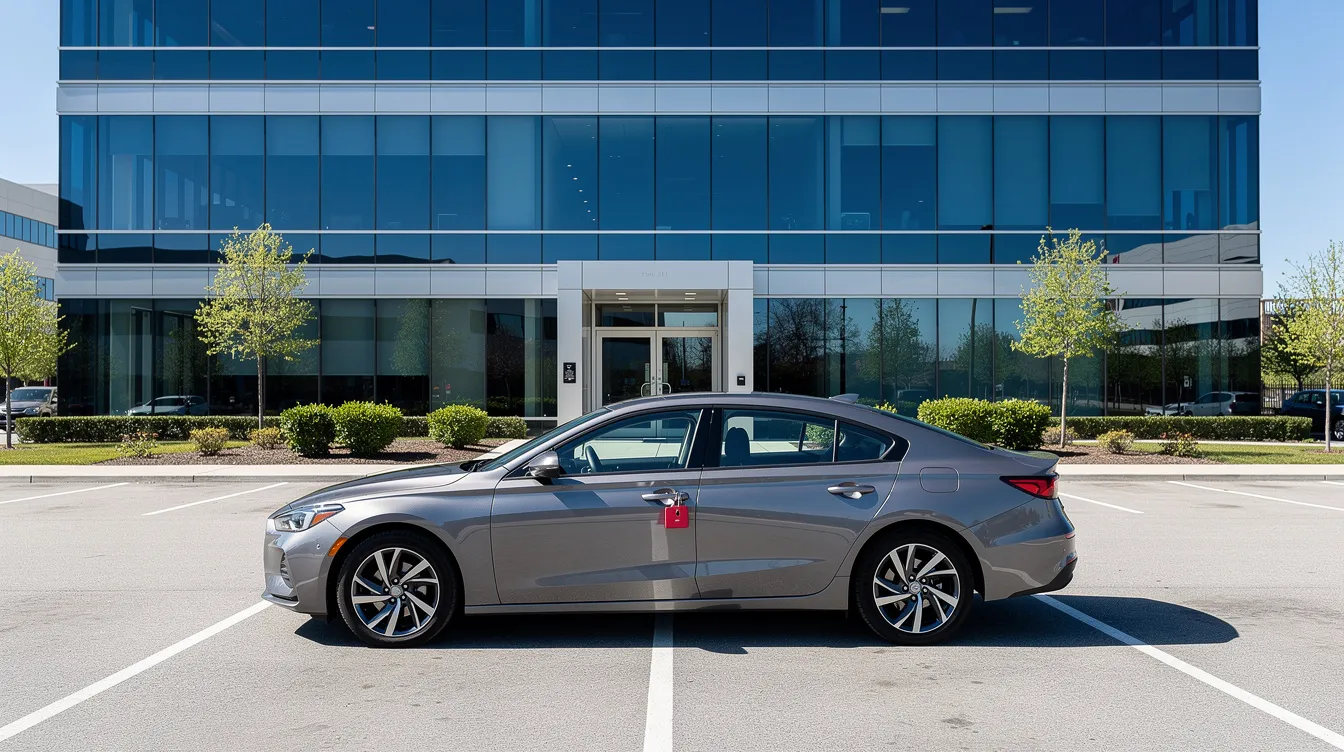
New Hampshire allows firearms in vehicles without a license. Both open and concealed carry are permitted in vehicles. In general, eligible adults may transport or carry loaded handguns in a vehicle without a permit.
Workplace rules are more nuanced. Employees with valid concealed carry permits can store firearms in locked vehicles on company property. However, employers usually retain significant control over weapons inside buildings, restricted work areas, and secure parts of company property.
Firearm possession alongside illegal items can increase legal penalties. For example, carrying firearms near illegal drugs, stolen property, or during assaults can aggravate charges and increase prison exposure. Possession of firearms in vehicles can lead to additional charges when the vehicle also contains contraband or when the firearm is connected to another crime.
Use of Firearms in Self-Defense and Deadly Force
New Hampshire’s self-defense laws are written into statute and interpreted by courts. These protections apply to firearms and other weapons, but the legal standard depends on the facts.
Self-defense laws protect individuals defending themselves or others. New Hampshire law allows force to prevent death or serious harm. Deadly force may be justified when a person reasonably believes it is necessary to prevent death, serious bodily injury, kidnapping, or certain serious felonies.
New Hampshire does not have a “stand your ground” or “shoot first” law by that name. However, New Hampshire has no duty to retreat before using deadly force in many situations where the person is not the initial aggressor and is somewhere the person has a legal right to be. Courts have reinforced this no-duty-to-retreat principle, including in recent New Hampshire Supreme Court discussion of jury instructions.
That does not mean every shooting is justified. Self defense usually does not protect:
-
Deadly force used solely to defend property
-
Retaliation after the threat has ended
-
Force used by the initial aggressor without withdrawal
-
Reckless firing that places bystanders at obvious risk
-
Escalation where the circumstances do not support a reasonable fear of death or serious injury
Anyone involved in a defensive shooting should expect an immediate police investigation. Officers may secure weapons, separate witnesses, collect physical evidence, and question the person who fired. Legal counsel is important because early statements can affect criminal charges, civil liability, and later civil action.
New Hampshire also has statutory civil protections in certain justified-force cases. But immunity from civil liability is not automatic in every case, and the facts will determine whether those protections apply.
Domestic Violence, Protective Orders, and Firearm Rights
Domestic violence cases are one of the clearest examples of state law and federal law working at the same time. A person may face state conditions, federal prohibitions, or both.
Individuals convicted of qualifying domestic violence misdemeanors may be barred from firearm possession under federal law. Domestic violence convictions lead to firearm disqualification, even if the offense was not a felony under state law.
Protective orders can also affect firearms. Courts may order immediate surrender or temporary seizure of guns when issuing protective orders, especially in cases involving threats, stalking, recent physical harm, or risk of injury or death.
Violating firearm conditions in protective orders can lead to state charges and separate federal prosecution. A person who keeps guns after a court order says to surrender them may face consequences beyond the underlying domestic case.
Restoring gun rights after domestic violence cases, annulments, or expungements is often complicated. A state-level remedy may not remove a federal disability. Anyone subject to domestic violence firearm restrictions should get legal advice before attempting to possess, purchase, or carry firearms.
Juveniles, Age Limits, and Firearms
New Hampshire does not mirror every federal age restriction in its own statutes. That creates a nuanced situation for minors, parents, and guardians.
New Hampshire has no laws restricting firearm possession age as a general statewide rule. New Hampshire has no age restrictions for firearm possession under a single broad possession statute. But federal law still controls dealer sales and certain types of transfers.
Federal rules generally require a person to be 21 to buy handguns from licensed dealers and 18 to buy rifles or shotguns from licensed dealers. These federal age limits apply within New Hampshire.
Supervised use of rifles and shotguns by minors for hunting, target practice, farm use, and training is common in New Hampshire. It is generally lawful when done in compliance with hunting regulations, safety rules, and adult supervision requirements.
Juvenile firearm cases become much more serious when they involve:
-
School grounds
-
Drugs
-
Stolen property
-
Gang-related activity
-
Threats or assaults
-
Unlawful vehicle possession
Even when a case stays in juvenile court, a firearm-related adjudication can affect future rights, background check records, school consequences, employment, and military eligibility.

Federal Gun Laws and Interstate Issues Affecting New Hampshire Residents
Federal firearms statutes apply in New Hampshire and can override or add to state-level protections. If federal law prohibits possession, New Hampshire’s permissive rules do not create an exception.
Common federal offenses relevant to New Hampshire residents include:
-
Possession of a firearm by a prohibited person
-
Illegal interstate transportation of firearms
-
Trafficking firearms
-
Straw purchasing
-
False statements during purchase
-
Using or carrying a firearm during a federal drug or violent crime
Travel is another major risk. A person who can lawfully carry in New Hampshire may violate law in Massachusetts, New York, or other jurisdictions with stricter licensing, transport, magazine, or ammunition rules.
Some states recognize New Hampshire pistol/revolver licenses. Others do not. Reciprocity agreements and recognition lists can change, so travelers should confirm rules before crossing borders.
The federal Firearm Owners Protection Act may protect some interstate transportation when firearms are unloaded, locked, and transported between places where possession is lawful. But this protection is technical and does not authorize ordinary concealed carry in states where the traveler lacks a recognized permit.
Recent Second Amendment cases, including U.S. Supreme Court decisions limiting overly restrictive licensing systems, may continue to influence litigation in New Hampshire’s neighboring states. New Hampshire itself is already permissive, but court decisions can still affect travel, licensing, and enforcement across the region.
Restoring Firearm Rights in New Hampshire
Restoring firearm rights can be legally challenging in New Hampshire. Some people with old criminal records, prior mental health commitments, or domestic violence histories may be able to seek relief, but the process is technical and not guaranteed.
Individuals may petition to annul a conviction after a waiting period. Restoring firearm rights requires a petition after a waiting period, and eligibility depends on the offense, sentence completion, time elapsed, and public safety factors.
Under RSA 651:5, New Hampshire law permits annulment for certain convictions after the required period has passed. Successful annulment restores state firearm rights but not federal rights. That distinction is critical.
A state annulment may help under New Hampshire law, but federal law may still treat the person as prohibited. Domestic violence convictions, certain felony records, and mental health adjudications can remain federally significant even after state relief.
Courts may consider evidence such as:
-
Completion of sentence terms
-
Payment of restitution
-
Compliance with probation
-
A clean record over time
-
Employment and community stability
-
Treatment, counseling, or rehabilitation
-
Public safety risk
Criminal defense attorneys help clients demonstrate rehabilitation for petitions. A lawyer may gather records, prepare affidavits, explain eligibility, and help avoid the serious mistake of possessing firearms before rights are restored.
Gun Violence, Policy Debates, and Ongoing Legislative Changes
New Hampshire has relatively low violent crime compared with many parts of the country, but gun violence remains part of the public policy debate. Most gun deaths in New Hampshire are suicides, accounting for 88% of total gun deaths. New Hampshire maintained the ninth-lowest gun death rate in the U.S. in 2024.
Policy debates often focus on whether permissive gun laws should remain unchanged or whether additional safety measures should be adopted. Common proposals include:
-
Expanding mandatory background checks to most private sales
-
Creating red flag or extreme-risk protective order systems
-
Adding safe storage requirements
-
Imposing waiting periods
-
Regulating magazine capacity
-
Changing rules for firearm surrender and return after protective orders
Lawmakers regularly introduce a bill or multiple bills on firearms. Some are designed to protect or expand carry rights. Others are designed to increase regulation, reduce gun violence, or address suicide prevention and domestic violence risk.
For example, New Hampshire lawmakers have debated measures involving firearm return after restraining orders and proposals related to voluntary do-not-sell lists, according to NHPR coverage of recent legislation. These debates can change quickly with elections, court rulings, and high-profile incidents.
The safest approach is to check current statutes, official state resources, and recent court decisions before relying on old summaries. New Hampshire gun laws are permissive, but compliance still depends on current law, the person’s record, the location, and the circumstances.
FAQ: New Hampshire Gun Laws
Do I need a permit to carry a concealed handgun in New Hampshire?
No. Under New Hampshire’s constitutional carry law in effect since 2017, most adults who may legally possess firearms do not need a permit to carry a concealed handgun within the state. A pistol/revolver license can still be useful when traveling to other states that require a permit and recognize New Hampshire’s license.
Can I carry a firearm in my car in New Hampshire?
Yes. New Hampshire generally allows adults who are not prohibited from possessing firearms to carry loaded handguns in vehicles, openly or concealed, without a permit. But driving into other states or bringing guns into restricted areas like school zones, courthouses, or federal facilities can quickly create serious legal problems.
Are there magazine capacity limits or assault weapon bans in New Hampshire?
New Hampshire does not currently impose a statewide ban on so-called assault weapons or a general magazine capacity limit. However, federal law and the laws of other states may restrict certain configurations when traveling, buying, selling, or transporting firearms across borders.
Can my employer stop me from bringing a gun to work?
In many situations, yes. New Hampshire law may allow employees with valid concealed carry permits to keep lawfully possessed firearms locked and out of sight in personal vehicles on company property. But most employers may still prohibit firearms inside buildings, secure work areas, or other parts of the workplace through policy. Violating those policies can lead to discipline or termination.
How can I stay current on changes to New Hampshire gun laws?
Review the New Hampshire Revised Statutes, especially chapters covering pistols, revolvers, and self-defense. Follow updates from the New Hampshire Department of Safety and State Police, monitor credible local news about proposed legislation, and speak with qualified legal counsel before relying on older information or informal online summaries.
Meta tags
title
Understanding New Hampshire Gun Laws: Key Changes and Implications
0/70
description
Explore the latest changes in New Hampshire gun laws and their implications. Stay informed and understand how these updates may affect you. Read more now.
0/156