South Dakota Gun Laws & Concealed Carry Guide
South Dakota Gun Laws & Concealed Carry Guide
Key Takeaways
-
South Dakota is a shall-issue and constitutional carry state: eligible residents and non residents age 18+ may carry openly or concealed without a state permit.
-
Open carry is legal without a permit at 18+, and concealed carry has been allowed without a permit since July 1, 2019.
-
No permit is required to purchase a handgun in South Dakota, handguns do not need to be registered in South Dakota, and private gun sales do not require background checks in South Dakota.
-
South Dakota issues three types of concealed carry permits: Regular, gold card permit, and Enhanced, mainly for reciprocity, NICS benefits, and access rules.
-
South Dakota has strong self-defense laws, including Castle Doctrine protections for dwellings and occupied vehicles, plus stand-your-ground rules.
South Dakota gun laws are among the most permissive in the United States. That does not mean every situation is simple. Rules still apply in schools, government buildings, alcohol-related locations, vehicles, private property, and other states.
This guide breaks down the major south dakota laws in plain English so you can understand carry rules, permits, firearm purchases, restricted places, and self-defense protections before making a decision.
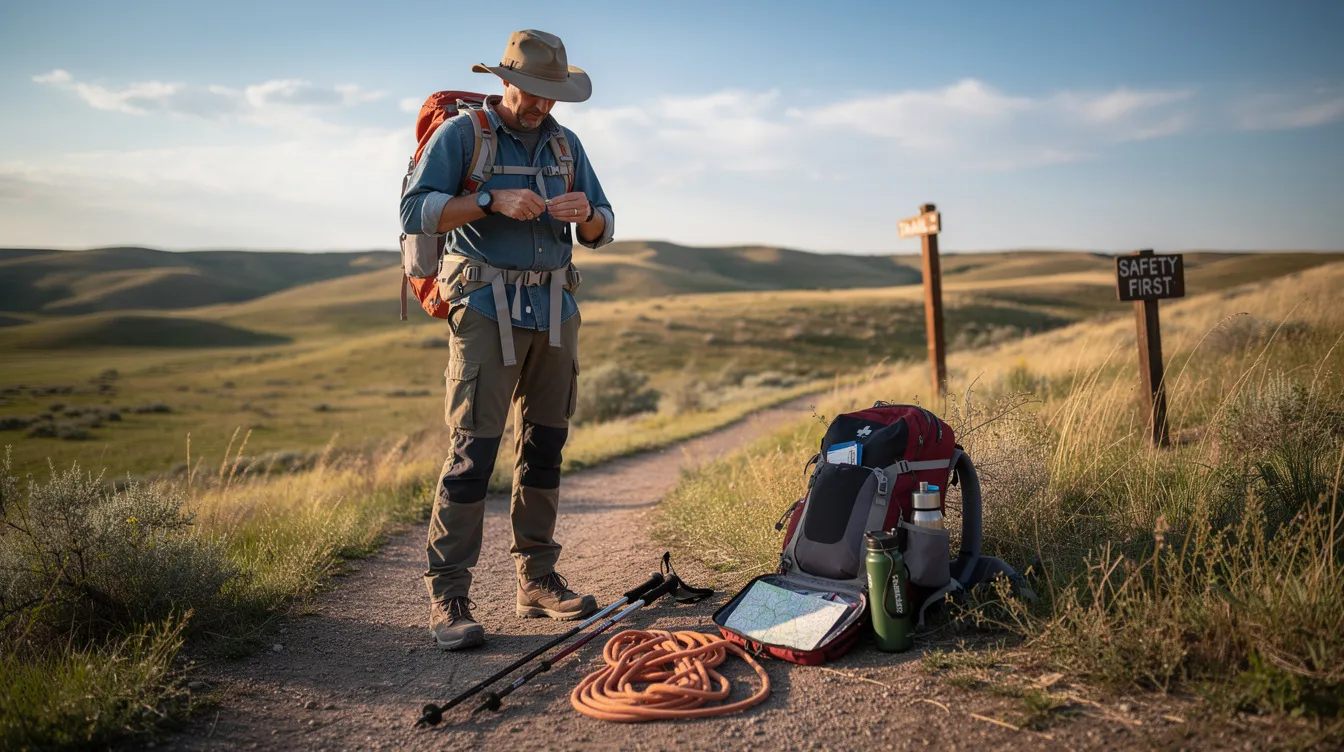
Overview of South Dakota Gun Laws
South Dakota laws are generally considered gun-owner friendly in national gun law rankings. The state has permissive gun laws categorized as constitutional carry, meaning eligible adults can carry without first getting a government-issued permit. In the mount rushmore state, the right to bear arms is also connected to article vi of the state constitution.
Here’s the practical version of the foundational gun laws:
-
The minimum age to possess a handgun is 18.
-
The minimum age to possess a handgun in South Dakota is 18.
-
The minimum age for concealed carry is also 18.
-
The minimum age for concealed carry is 18 years old.
-
Permitless carry is allowed for individuals 18 and older.
-
South Dakota is a permitless carry state for both open and concealed carry.
-
No permits are required to purchase handguns in South Dakota.
-
No permit is required to purchase a handgun in South Dakota.
-
There is no state firearm registration requirement for ordinary handguns, rifles, or shotguns.
-
A federal background check is required when buying from a federally licensed dealer.
South Dakota is also a shall-issue state for a concealed carry permit. That means if a person meets the legal requirements, the sheriff must issue the permit. But concealed carry permits in South Dakota are not required for lawfully eligible individuals inside the state.
The major modern change was permitless carry, enacted laws that took effect on July 1, 2019. South Dakota allows permitless carry since July 1, 2019, and permitless carry was enacted in South Dakota on July 1, 2019. Later, SB 212 removed state fees for permits, effective March 18, 2022, making permits easier to obtain for many south dakotans.
Open Carry Laws in South Dakota
Open carry of a handgun is legal in south dakota without a permit for anyone 18 or older who may lawfully possess firearms. A permit is not generally needed to carry a visible handgun on public streets, in many public places, and in most businesses that do not ban weapons.
Private property rules still matter. A store, employer, or homeowner may prohibit firearms on the property. If a business posts a no-weapons policy, a responsible person should leave the firearm elsewhere or leave the premises.
Vehicle rules are also permissive. Under current state law, eligible adults may carry a handgun openly or concealed in a motor vehicle without a permit. Historically, vehicle carry rules treated visible and concealed handguns differently, but the present permitless carry framework allows both open and concealed carry for eligible people.
Open carry is still restricted in sensitive areas. Examples include:
|
Location |
General rule |
|---|---|
|
elementary or secondary school |
Firearms are heavily restricted on school property |
|
secondary school premises |
Carry is generally prohibited unless a narrow exception applies |
|
county courthouse |
Firearms are restricted |
|
secure federal facilities |
Federal law controls |
|
some government buildings |
State or federal restrictions may apply |
|
posted private property |
Owner rules apply |
Even when open carry is legal, an encounter with a law enforcement officer can happen if someone calls about a visible firearm. Stay calm, keep your hands visible, and avoid sudden movements. Local governments cannot generally rewrite statewide firearms laws, but local procedures, building rules, and event policies can still create practical issues.
Concealed Carry & Permitless Carry
Concealed carry means carrying a concealed handgun or concealed pistol in a way that is not openly visible. South Dakota allows a person to carry a concealed pistol without a permit if the person is at least 18 and may legally possess the firearm under state and federal law.
Non-residents may also carry concealed pistols without a permit in South Dakota. That includes travelers passing through the state, as long as they obey south dakota statutes and federal firearms laws. Non residents do not need non resident permits simply to carry lawfully inside South Dakota if they otherwise qualify.
Concealed carry is commonly allowed in:
-
motor vehicle travel
-
roadside rest areas
-
many public places
-
state parks
-
national forests
-
restaurants or bars that serve alcoholic beverages, unless posted or otherwise restricted
Concealed carry is allowed in state parks and national forests, but separate rules may apply in a game preserve, visitor center, federal building, or posted facility.
There is no general South Dakota rule requiring a carrier to immediately inform a law enforcement officer during every stop that the person is armed. Still, calmly disclosing that you carry a concealed pistol can be a good safety practice in a particular situation, especially during a traffic stop.
The most important limitation is travel. A state permit is not needed inside South Dakota, but a concealed carry permit can matter the moment you cross into an other state. Permitless carry at home does not mean permitless carry everywhere.
South Dakota Concealed Carry Permits
South Dakota issues Concealed Pistol Permits to residents and military members. South Dakota issues three types of concealed carry permits:
|
Permit type |
Main purpose |
|---|---|
|
Regular Permit |
Basic concealed pistol permit for reciprocity and proof of eligibility |
|
Gold Card Permit |
Extra background check benefits, including possible NICS exemption |
|
Enhanced Permit |
Training-based permit with broader reciprocity and additional location benefits |
The gold card permit and enhanced permits involve more screening than a Regular Permit. Enhanced permit holders can carry on public college campuses, whereas others may not. Enhanced permit holders may also receive broader reciprocity treatment in other jurisdictions.
Eligibility generally requires that the applicant be legally allowed to possess firearms. Prohibited persons include felons and those deemed a danger to themselves or others. Other disqualifiers can include certain violent misdemeanors, drug-related restrictions, protective orders, or being adjudged mentally incompetent.
Under SB 212, effective March 18, 2022, state fees for concealed carry permits were removed, although small administrative costs may still arise for replacement documents. South Dakota’s concealed carry permits are valid for five years. A permit holder should carry both the permit and identification when relying on the permit, especially outside South Dakota.
If a permit is lost, stolen, or the holder changes a name or address, the permit holder should notify the Secretary of State and request a replacement. A small replacement fee, often around $2, may apply.
For official permit information, check the South Dakota Secretary of State’s concealed pistol permits page.
Concealed Carry Permit Application Process
Applicants usually start at the county sheriff’s office. The process is straightforward:
-
Visit the sheriff in your county of residence.
-
Complete the South Dakota concealed carry permit application in person.
-
Provide a valid government ID.
-
Show proof of South Dakota residency or qualifying military status.
-
Provide additional training documentation if applying for the Enhanced Permit.
For the Regular Permit, the sheriff runs a computer check and reviews eligibility. For the gold card permit and Enhanced Permit, fingerprints and deeper background checks may be required. These may involve state databases and FBI processing.
A temporary permit is often issued within about five days if the applicant appears eligible. The permanent permit is generally processed within about 30 days, subject to the results of the background check.
Because office hours and procedures vary, call your county sheriff before applying. A county office may have specific instructions on photos, fingerprints, training certificates, or renewal windows.
Firearms Training Requirements
South Dakota does not require firearms training to use permitless carry. The Regular Permit and Gold Card Permit generally do not require a formal handgun course.
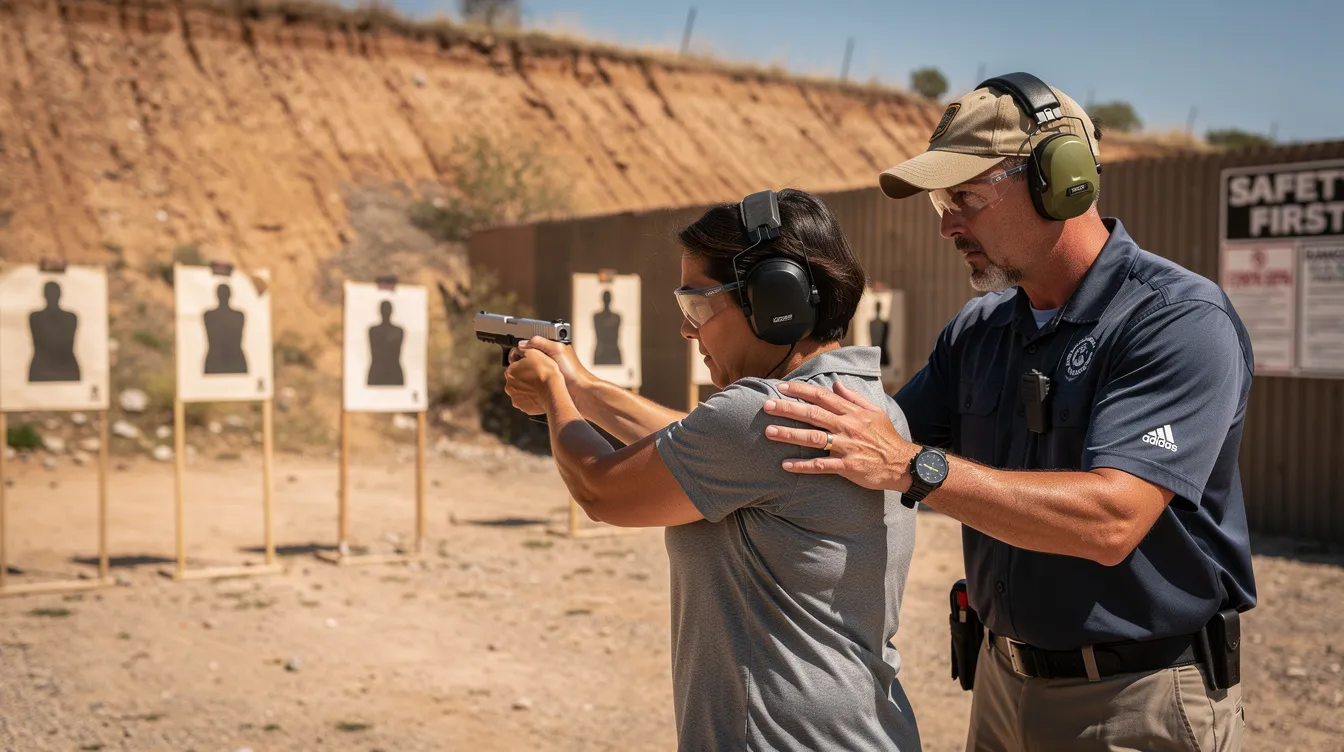
The Enhanced Permit is different. It requires a certified handgun training course approved under South Dakota rules. A typical training day may look like this:
-
Morning classroom session on south dakota gun laws, safe handling, storage, and lawful use of force
-
Afternoon range session covering marksmanship and live-fire qualification
-
Review of dangerous weapon rules, carry responsibilities, and restricted locations
Training is still valuable even when it is not mandatory. Good training reduces negligent discharges, improves judgment, and helps a gun owner understand when not to use a firearm.
Reciprocity & Carrying in Other States
Reciprocity means one state recognizes another state’s concealed carry permit. South Dakota recognizes permits from all states, and it also allows eligible nonresidents to carry without a permit inside South Dakota.
South Dakota permits can be useful when traveling. South Dakota has 50 states that honor its concealed carry permits is a phrase sometimes used in broad permit discussions, but the real-world answer depends on permit type, age, residency, and the visiting state’s rules. South Dakota’s enhanced permit is recognized in seven additional states compared with more limited permit classes.
Examples of states that often recognize South Dakota permits include Idaho, Montana, Indiana, and Alabama. However, the law of the state you are physically in controls your conduct. Do not assume South Dakota rules follow you.
Some states may require:
-
the permit holder to be 21+
-
a resident-only permit
-
an Enhanced Permit rather than a Regular Permit
-
different vehicle carry rules
-
different ammunition or magazine rules
Before traveling, review the official South Dakota reciprocity grid and the destination state’s official website.
States With Restricted or No Reciprocity
Restricted reciprocity means a state may recognize a South Dakota concealed carry permit only under certain conditions. For example, a state might honor enhanced permits but not a Regular Permit, or it might recognize only permits held by residents age 21 or older.
This matters because South Dakota travelers are used to a low permitting requirement at home. In stricter states, carrying without the right permit can lead to arrest, firearm seizure, or criminal charges.
Plan before you go:
-
Check every state on your route.
-
Know whether vehicle carry is allowed.
-
Confirm whether your permit type is recognized.
-
Review rules for lodging, parks, restaurants, and government buildings.
-
Store ammunition and firearms according to the strictest state you will enter.
If you travel often, the Enhanced Permit is usually the strongest option.
Background Checks, Purchases & Private Sales
When buying from a federally licensed dealer, individuals purchasing from a licensed dealer must undergo a NICS check. This federal background check is completed through ATF Form 4473 and the National Instant Criminal Background Check System.
South Dakota does not add many extra purchase barriers. There is no purchase permit required for handguns, no firearm registration, and no state waiting period for ordinary firearm purchases. Background checks required by federal law still apply at licensed dealers.
Private gun sales do not require background checks in South Dakota. That means private in-state transfers between individuals are not subject to a state-mandated background check. But federal law still prohibits a sale or transfer to a person the seller knows, or has reason to believe, is prohibited.
Gold Card and Enhanced permits may serve as NICS exemptions for qualified concealed carry permit holders when buying from an FFL. The South Dakota Secretary of State explains these Brady Act rules on its NICS exemption page.
Skipping a voluntary background check can create risk. A private seller who transfers firearms to a prohibited person may endanger south dakotans and contribute to gun violence. Using a licensed dealer for a voluntary check is often the safer route.
Self-Defense, Castle Doctrine & Stand Your Ground
South Dakota has strong self-defense protections. The state’s shoot rules are often described as stand-your-ground principles, meaning there is no duty to retreat when a person is lawfully present, not engaged in illegal activity, and reasonably believes force is necessary.
The most critical protections apply when a person faces an imminent threat. Non-deadly force may be justified to stop trespass, theft, or criminal interference with property. For example, physically blocking someone from stealing tools may be treated differently from using a handgun.
Deadly force is much more limited. It may be justified when a person reasonably believes it is necessary to prevent imminent death, serious bodily injury, or a forcible felony such as home invasion or carjacking.
South Dakota’s Castle Doctrine also protects dwellings and occupied vehicles. If someone unlawfully and forcibly enters a home, residence, or occupied vehicle, state law may presume the defender reasonably feared death or great bodily harm.
Self-defense immunity can be one of the most critical protections in a lawful case. But immunity is not automatic. If an injury caused by a shooting is not legally justified, criminal charges and civil lawsuits can follow. The facts, the threat level, and the defender’s conduct matter.
For statutory text, review the South Dakota Legislature’s codified laws.
Defense of Property Outside the Home
South Dakota law is more cautious outside the home. A person may use reasonable non-deadly force to protect property, but deadly force is usually not lawful solely to defend property.
Consider two examples:
-
A trespasser is walking across your yard. The safer legal choice is usually to create distance and call law enforcement.
-
Someone is breaking into an empty parked vehicle. Displaying or firing a gun may create serious legal risk unless the facts show an imminent threat to a person.
The legal threshold for using a firearm in public is high. A defensive firearm is a last-resort tool, not a property-protection shortcut. If you carry, consider taking a legal seminar on South Dakota self-defense law.
Places Where Firearms Are Restricted
Even permissive gun laws have boundaries. Firearms are prohibited in specific locations, including schools and government buildings.
Common restricted locations include:
-
public elementary and secondary school property
-
school vehicle areas, buses, and school-sponsored transportation
-
secondary school buildings and grounds
-
county courthouse facilities
-
county jails and detention facilities
-
secure airport areas
-
federal courthouses, post offices, and other federal facilities
-
certain public college campus areas unless an Enhanced Permit exception applies
A public elementary school, secondary school, or elementary or secondary school is especially sensitive under state and federal law. Carry on school property can be a crime unless a specific exception applies.
Alcohol rules also require care. South Dakota generally allows carry in places that serve alcoholic beverages unless posted, but intoxicated possession is illegal. An establishment licensed to sell alcoholic beverages may post restrictions. If an establishment derives a major share of income from alcohol sales, be especially careful to confirm current rules before carrying.
Private property owners can ban firearms. Watch for “no firearms” or “no concealed weapons” signs. Employers may also set workplace policies, even if state law would otherwise allow carry.
South Dakota Gun Laws & Public Safety
Legal compliance is only part of responsible gun ownership. South Dakota has seen concern over gun deaths and gun violence in recent years. According to USAFacts crime data, South Dakota’s 2024 violent crime rate was close to the national average, while property crime was below the national average.
Policy debates often focus on suicide, domestic violence, accidental shootings, and whether national failures in mental health and enforcement affect local outcomes. A notably high proportion of firearm deaths in many rural states are suicides, which is why safe storage and crisis intervention matter.
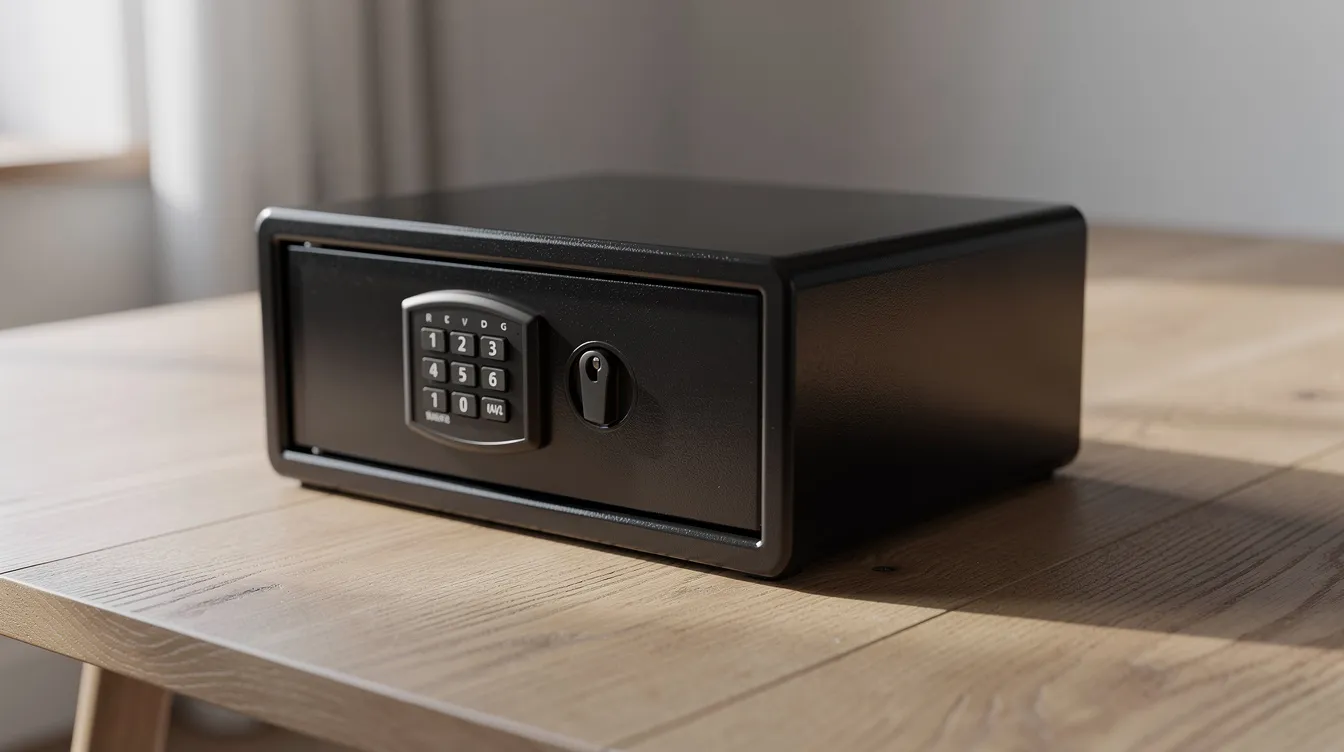
There are no state laws mandating specific firearms storage methods in South Dakota. Still, responsible storage is one of the easiest ways to reduce unauthorized access:
-
Use a locked safe or lockbox.
-
Store ammunition separately when appropriate.
-
Keep firearms inaccessible to children.
-
Use cable locks for unused firearms.
-
Remove firearms temporarily during a mental health crisis.
Hunter safety, youth education, and voluntary firearms training remain important public safety tools. Firearms manufacturers, instructors, state legislators, the attorney general, governor larry rhoden, sheriffs, and local communities all influence how firearms laws are discussed and applied.
If a public official or local government attempts to enforce an unlawful firearm restriction, legal remedies may include injunctive relief in the right case. But for ordinary gun owners, the best approach is simple: know the law, train regularly, store firearms securely, and avoid unnecessary confrontation.
FAQ – South Dakota Gun Laws
Is a permit required to carry a concealed handgun in South Dakota?
No. As of July 1, 2019, South Dakota does not require a permit to carry a concealed handgun for individuals 18 or older who can lawfully possess a firearm. A concealed carry permit is still useful for reciprocity, dealer purchase benefits, and certain location-specific rules.
Can non-residents carry concealed or open in South Dakota?
Yes. Non-residents who are at least 18 and legally allowed to possess a firearm may carry openly or concealed without a South Dakota permit. They must still obey all South Dakota laws, including restrictions on schools, courthouses, federal facilities, and posted private property.
Are background checks required for private gun sales in South Dakota?
No. South Dakota does not mandate background checks for private, in-state firearm sales between individuals. However, federal law still prohibits knowingly transferring a firearm to a prohibited person, such as a felon or someone legally barred from possession.
Does South Dakota have magazine capacity or “assault weapon” bans?
No. South Dakota state law does not impose magazine capacity limits or a state-level ban on so-called assault weapons. Federal restrictions still apply, and another state may have very different rules if you travel.
How often do I need to renew my South Dakota concealed carry permit?
South Dakota Gun Laws & Concealed Carry Guide
Key Takeaways
-
South Dakota is a shall-issue and constitutional carry state: eligible residents and non residents age 18+ may carry openly or concealed without a state permit.
-
Open carry is legal without a permit at 18+, and concealed carry has been allowed without a permit since July 1, 2019.
-
No permit is required to purchase a handgun in South Dakota, handguns do not need to be registered in South Dakota, and private gun sales do not require background checks in South Dakota.
-
South Dakota issues three types of concealed carry permits: Regular, gold card permit, and Enhanced, mainly for reciprocity, NICS benefits, and access rules.
-
South Dakota has strong self-defense laws, including Castle Doctrine protections for dwellings and occupied vehicles, plus stand-your-ground rules.
South Dakota gun laws are among the most permissive in the United States. That does not mean every situation is simple. Rules still apply in schools, government buildings, alcohol-related locations, vehicles, private property, and other states.
This guide breaks down the major south dakota laws in plain English so you can understand carry rules, permits, firearm purchases, restricted places, and self-defense protections before making a decision.
Overview of South Dakota Gun Laws
South Dakota laws are generally considered gun-owner friendly in national gun law rankings. The state has permissive gun laws categorized as constitutional carry, meaning eligible adults can carry without first getting a government-issued permit. In the mount rushmore state, the right to bear arms is also connected to article vi of the state constitution.
Here’s the practical version of the foundational gun laws:
-
The minimum age to possess a handgun is 18.
-
The minimum age to possess a handgun in South Dakota is 18.
-
The minimum age for concealed carry is also 18.
-
The minimum age for concealed carry is 18 years old.
-
Permitless carry is allowed for individuals 18 and older.
-
South Dakota is a permitless carry state for both open and concealed carry.
-
No permits are required to purchase handguns in South Dakota.
-
No permit is required to purchase a handgun in South Dakota.
-
There is no state firearm registration requirement for ordinary handguns, rifles, or shotguns.
-
A federal background check is required when buying from a federally licensed dealer.
South Dakota is also a shall-issue state for a concealed carry permit. That means if a person meets the legal requirements, the sheriff must issue the permit. But concealed carry permits in South Dakota are not required for lawfully eligible individuals inside the state.
The major modern change was permitless carry, enacted laws that took effect on July 1, 2019. South Dakota allows permitless carry since July 1, 2019, and permitless carry was enacted in South Dakota on July 1, 2019. Later, SB 212 removed state fees for permits, effective March 18, 2022, making permits easier to obtain for many south dakotans.
Open Carry Laws in South Dakota
Open carry of a handgun is legal in south dakota without a permit for anyone 18 or older who may lawfully possess firearms. A permit is not generally needed to carry a visible handgun on public streets, in many public places, and in most businesses that do not ban weapons.
Private property rules still matter. A store, employer, or homeowner may prohibit firearms on the property. If a business posts a no-weapons policy, a responsible person should leave the firearm elsewhere or leave the premises.
Vehicle rules are also permissive. Under current state law, eligible adults may carry a handgun openly or concealed in a motor vehicle without a permit. Historically, vehicle carry rules treated visible and concealed handguns differently, but the present permitless carry framework allows both open and concealed carry for eligible people.
Open carry is still restricted in sensitive areas. Examples include:
|
Location |
General rule |
|---|---|
|
elementary or secondary school |
Firearms are heavily restricted on school property |
|
secondary school premises |
Carry is generally prohibited unless a narrow exception applies |
|
county courthouse |
Firearms are restricted |
|
secure federal facilities |
Federal law controls |
|
some government buildings |
State or federal restrictions may apply |
|
posted private property |
Owner rules apply |
Even when open carry is legal, an encounter with a law enforcement officer can happen if someone calls about a visible firearm. Stay calm, keep your hands visible, and avoid sudden movements. Local governments cannot generally rewrite statewide firearms laws, but local procedures, building rules, and event policies can still create practical issues.
Concealed Carry & Permitless Carry
Concealed carry means carrying a concealed handgun or concealed pistol in a way that is not openly visible. South Dakota allows a person to carry a concealed pistol without a permit if the person is at least 18 and may legally possess the firearm under state and federal law.
Non-residents may also carry concealed pistols without a permit in South Dakota. That includes travelers passing through the state, as long as they obey south dakota statutes and federal firearms laws. Non residents do not need non resident permits simply to carry lawfully inside South Dakota if they otherwise qualify.
Concealed carry is commonly allowed in:
-
motor vehicle travel
-
roadside rest areas
-
many public places
-
state parks
-
national forests
-
restaurants or bars that serve alcoholic beverages, unless posted or otherwise restricted
Concealed carry is allowed in state parks and national forests, but separate rules may apply in a game preserve, visitor center, federal building, or posted facility.
There is no general South Dakota rule requiring a carrier to immediately inform a law enforcement officer during every stop that the person is armed. Still, calmly disclosing that you carry a concealed pistol can be a good safety practice in a particular situation, especially during a traffic stop.
The most important limitation is travel. A state permit is not needed inside South Dakota, but a concealed carry permit can matter the moment you cross into an other state. Permitless carry at home does not mean permitless carry everywhere.
South Dakota Concealed Carry Permits
South Dakota issues Concealed Pistol Permits to residents and military members. South Dakota issues three types of concealed carry permits:
|
Permit type |
Main purpose |
|---|---|
|
Regular Permit |
Basic concealed pistol permit for reciprocity and proof of eligibility |
|
Gold Card Permit |
Extra background check benefits, including possible NICS exemption |
|
Enhanced Permit |
Training-based permit with broader reciprocity and additional location benefits |
The gold card permit and enhanced permits involve more screening than a Regular Permit. Enhanced permit holders can carry on public college campuses, whereas others may not. Enhanced permit holders may also receive broader reciprocity treatment in other jurisdictions.
Eligibility generally requires that the applicant be legally allowed to possess firearms. Prohibited persons include felons and those deemed a danger to themselves or others. Other disqualifiers can include certain violent misdemeanors, drug-related restrictions, protective orders, or being adjudged mentally incompetent.
Under SB 212, effective March 18, 2022, state fees for concealed carry permits were removed, although small administrative costs may still arise for replacement documents. South Dakota’s concealed carry permits are valid for five years. A permit holder should carry both the permit and identification when relying on the permit, especially outside South Dakota.
If a permit is lost, stolen, or the holder changes a name or address, the permit holder should notify the Secretary of State and request a replacement. A small replacement fee, often around $2, may apply.
For official permit information, check the South Dakota Secretary of State’s concealed pistol permits page.
Concealed Carry Permit Application Process
Applicants usually start at the county sheriff’s office. The process is straightforward:
-
Visit the sheriff in your county of residence.
-
Complete the South Dakota concealed carry permit application in person.
-
Provide a valid government ID.
-
Show proof of South Dakota residency or qualifying military status.
-
Provide additional training documentation if applying for the Enhanced Permit.
For the Regular Permit, the sheriff runs a computer check and reviews eligibility. For the gold card permit and Enhanced Permit, fingerprints and deeper background checks may be required. These may involve state databases and FBI processing.
A temporary permit is often issued within about five days if the applicant appears eligible. The permanent permit is generally processed within about 30 days, subject to the results of the background check.
Because office hours and procedures vary, call your county sheriff before applying. A county office may have specific instructions on photos, fingerprints, training certificates, or renewal windows.
Firearms Training Requirements
South Dakota does not require firearms training to use permitless carry. The Regular Permit and Gold Card Permit generally do not require a formal handgun course.
The Enhanced Permit is different. It requires a certified handgun training course approved under South Dakota rules. A typical training day may look like this:
-
Morning classroom session on south dakota gun laws, safe handling, storage, and lawful use of force
-
Afternoon range session covering marksmanship and live-fire qualification
-
Review of dangerous weapon rules, carry responsibilities, and restricted locations
Training is still valuable even when it is not mandatory. Good training reduces negligent discharges, improves judgment, and helps a gun owner understand when not to use a firearm.
Reciprocity & Carrying in Other States
Reciprocity means one state recognizes another state’s concealed carry permit. South Dakota recognizes permits from all states, and it also allows eligible nonresidents to carry without a permit inside South Dakota.
South Dakota permits can be useful when traveling. South Dakota has 50 states that honor its concealed carry permits is a phrase sometimes used in broad permit discussions, but the real-world answer depends on permit type, age, residency, and the visiting state’s rules. South Dakota’s enhanced permit is recognized in seven additional states compared with more limited permit classes.
Examples of states that often recognize South Dakota permits include Idaho, Montana, Indiana, and Alabama. However, the law of the state you are physically in controls your conduct. Do not assume South Dakota rules follow you.
Some states may require:
-
the permit holder to be 21+
-
a resident-only permit
-
an Enhanced Permit rather than a Regular Permit
-
different vehicle carry rules
-
different ammunition or magazine rules
Before traveling, review the official South Dakota reciprocity grid and the destination state’s official website.
States With Restricted or No Reciprocity
Restricted reciprocity means a state may recognize a South Dakota concealed carry permit only under certain conditions. For example, a state might honor enhanced permits but not a Regular Permit, or it might recognize only permits held by residents age 21 or older.
This matters because South Dakota travelers are used to a low permitting requirement at home. In stricter states, carrying without the right permit can lead to arrest, firearm seizure, or criminal charges.
Plan before you go:
-
Check every state on your route.
-
Know whether vehicle carry is allowed.
-
Confirm whether your permit type is recognized.
-
Review rules for lodging, parks, restaurants, and government buildings.
-
Store ammunition and firearms according to the strictest state you will enter.
If you travel often, the Enhanced Permit is usually the strongest option.
Background Checks, Purchases & Private Sales
When buying from a federally licensed dealer, individuals purchasing from a licensed dealer must undergo a NICS check. This federal background check is completed through ATF Form 4473 and the National Instant Criminal Background Check System.
South Dakota does not add many extra purchase barriers. There is no purchase permit required for handguns, no firearm registration, and no state waiting period for ordinary firearm purchases. Background checks required by federal law still apply at licensed dealers.
Private gun sales do not require background checks in South Dakota. That means private in-state transfers between individuals are not subject to a state-mandated background check. But federal law still prohibits a sale or transfer to a person the seller knows, or has reason to believe, is prohibited.
Gold Card and Enhanced permits may serve as NICS exemptions for qualified concealed carry permit holders when buying from an FFL. The South Dakota Secretary of State explains these Brady Act rules on its NICS exemption page.
Skipping a voluntary background check can create risk. A private seller who transfers firearms to a prohibited person may endanger south dakotans and contribute to gun violence. Using a licensed dealer for a voluntary check is often the safer route.
Self-Defense, Castle Doctrine & Stand Your Ground
South Dakota has strong self-defense protections. The state’s shoot rules are often described as stand-your-ground principles, meaning there is no duty to retreat when a person is lawfully present, not engaged in illegal activity, and reasonably believes force is necessary.
The most critical protections apply when a person faces an imminent threat. Non-deadly force may be justified to stop trespass, theft, or criminal interference with property. For example, physically blocking someone from stealing tools may be treated differently from using a handgun.
Deadly force is much more limited. It may be justified when a person reasonably believes it is necessary to prevent imminent death, serious bodily injury, or a forcible felony such as home invasion or carjacking.
South Dakota’s Castle Doctrine also protects dwellings and occupied vehicles. If someone unlawfully and forcibly enters a home, residence, or occupied vehicle, state law may presume the defender reasonably feared death or great bodily harm.
Self-defense immunity can be one of the most critical protections in a lawful case. But immunity is not automatic. If an injury caused by a shooting is not legally justified, criminal charges and civil lawsuits can follow. The facts, the threat level, and the defender’s conduct matter.
For statutory text, review the South Dakota Legislature’s codified laws.
Defense of Property Outside the Home
South Dakota law is more cautious outside the home. A person may use reasonable non-deadly force to protect property, but deadly force is usually not lawful solely to defend property.
Consider two examples:
-
A trespasser is walking across your yard. The safer legal choice is usually to create distance and call law enforcement.
-
Someone is breaking into an empty parked vehicle. Displaying or firing a gun may create serious legal risk unless the facts show an imminent threat to a person.
The legal threshold for using a firearm in public is high. A defensive firearm is a last-resort tool, not a property-protection shortcut. If you carry, consider taking a legal seminar on South Dakota self-defense law.
Places Where Firearms Are Restricted
Even permissive gun laws have boundaries. Firearms are prohibited in specific locations, including schools and government buildings.
Common restricted locations include:
-
public elementary and secondary school property
-
school vehicle areas, buses, and school-sponsored transportation
-
secondary school buildings and grounds
-
county courthouse facilities
-
county jails and detention facilities
-
secure airport areas
-
federal courthouses, post offices, and other federal facilities
-
certain public college campus areas unless an Enhanced Permit exception applies
A public elementary school, secondary school, or elementary or secondary school is especially sensitive under state and federal law. Carry on school property can be a crime unless a specific exception applies.
Alcohol rules also require care. South Dakota generally allows carry in places that serve alcoholic beverages unless posted, but intoxicated possession is illegal. An establishment licensed to sell alcoholic beverages may post restrictions. If an establishment derives a major share of income from alcohol sales, be especially careful to confirm current rules before carrying.
Private property owners can ban firearms. Watch for “no firearms” or “no concealed weapons” signs. Employers may also set workplace policies, even if state law would otherwise allow carry.
South Dakota Gun Laws & Public Safety
Legal compliance is only part of responsible gun ownership. South Dakota has seen concern over gun deaths and gun violence in recent years. According to USAFacts crime data, South Dakota’s 2024 violent crime rate was close to the national average, while property crime was below the national average.
Policy debates often focus on suicide, domestic violence, accidental shootings, and whether national failures in mental health and enforcement affect local outcomes. A notably high proportion of firearm deaths in many rural states are suicides, which is why safe storage and crisis intervention matter.
There are no state laws mandating specific firearms storage methods in South Dakota. Still, responsible storage is one of the easiest ways to reduce unauthorized access:
-
Use a locked safe or lockbox.
-
Store ammunition separately when appropriate.
-
Keep firearms inaccessible to children.
-
Use cable locks for unused firearms.
-
Remove firearms temporarily during a mental health crisis.
Hunter safety, youth education, and voluntary firearms training remain important public safety tools. Firearms manufacturers, instructors, state legislators, the attorney general, governor larry rhoden, sheriffs, and local communities all influence how firearms laws are discussed and applied.
If a public official or local government attempts to enforce an unlawful firearm restriction, legal remedies may include injunctive relief in the right case. But for ordinary gun owners, the best approach is simple: know the law, train regularly, store firearms securely, and avoid unnecessary confrontation.
FAQ – South Dakota Gun Laws
Is a permit required to carry a concealed handgun in South Dakota?
No. As of July 1, 2019, South Dakota does not require a permit to carry a concealed handgun for individuals 18 or older who can lawfully possess a firearm. A concealed carry permit is still useful for reciprocity, dealer purchase benefits, and certain location-specific rules.
Can non-residents carry concealed or open in South Dakota?
Yes. Non-residents who are at least 18 and legally allowed to possess a firearm may carry openly or concealed without a South Dakota permit. They must still obey all South Dakota laws, including restrictions on schools, courthouses, federal facilities, and posted private property.
Are background checks required for private gun sales in South Dakota?
No. South Dakota does not mandate background checks for private, in-state firearm sales between individuals. However, federal law still prohibits knowingly transferring a firearm to a prohibited person, such as a felon or someone legally barred from possession.
Does South Dakota have magazine capacity or “assault weapon” bans?
No. South Dakota state law does not impose magazine capacity limits or a state-level ban on so-called assault weapons. Federal restrictions still apply, and another state may have very different rules if you travel.
How often do I need to renew my South Dakota concealed carry permit?
South Dakota concealed carry permits are generally valid for five years. After that, the holder must renew through the proper process and remain legally eligible to keep the permit active.
Meta tags
title
Essential Guide to South Dakota Gun Laws: What You Need to Know
63/70
description
Understand South Dakota’s gun laws with our essential guide. Get the facts you need to navigate regulations confidently. Read more to stay informed.
148/156