Iowa Gun Laws: Permits, Carry Rules, and Recent Changes
Iowa Gun Laws: Permits, Carry Rules, and Recent Changes
Key Takeaways
-
Iowa became a constitutional carry state on July 1, 2021, and Iowa maintains a permitless carry framework as of mid-2026.
-
Iowans and non-residents may generally carry firearms openly or concealed without a permit if they are not prohibited under state or federal law and avoid restricted locations.
-
A carry permit is optional, but it can still help with reciprocity, firearm purchases, and proof of eligibility; Iowa honors valid permits from any other state.
-
Most Iowa gun laws are found in Iowa Code Chapter 724, with the Iowa Department of Public Safety and county sheriffs handling permits and guidance.
-
Recent legislation lowered the legal age to possess a handgun to 18 in Iowa, though individuals under 21 cannot purchase handguns from federally licensed dealers.
Iowa gun laws have changed quickly in recent years. If you own, buy, transport, or carry firearms in Iowa, the big picture is simple: Iowa is a shall-issue state allowing permitless carry, but the details still matter.
This guide explains the rules in plain English, including permits, prohibited locations, age limits, training requirements, interstate travel, and penalties.
Overview of Iowa Gun Laws
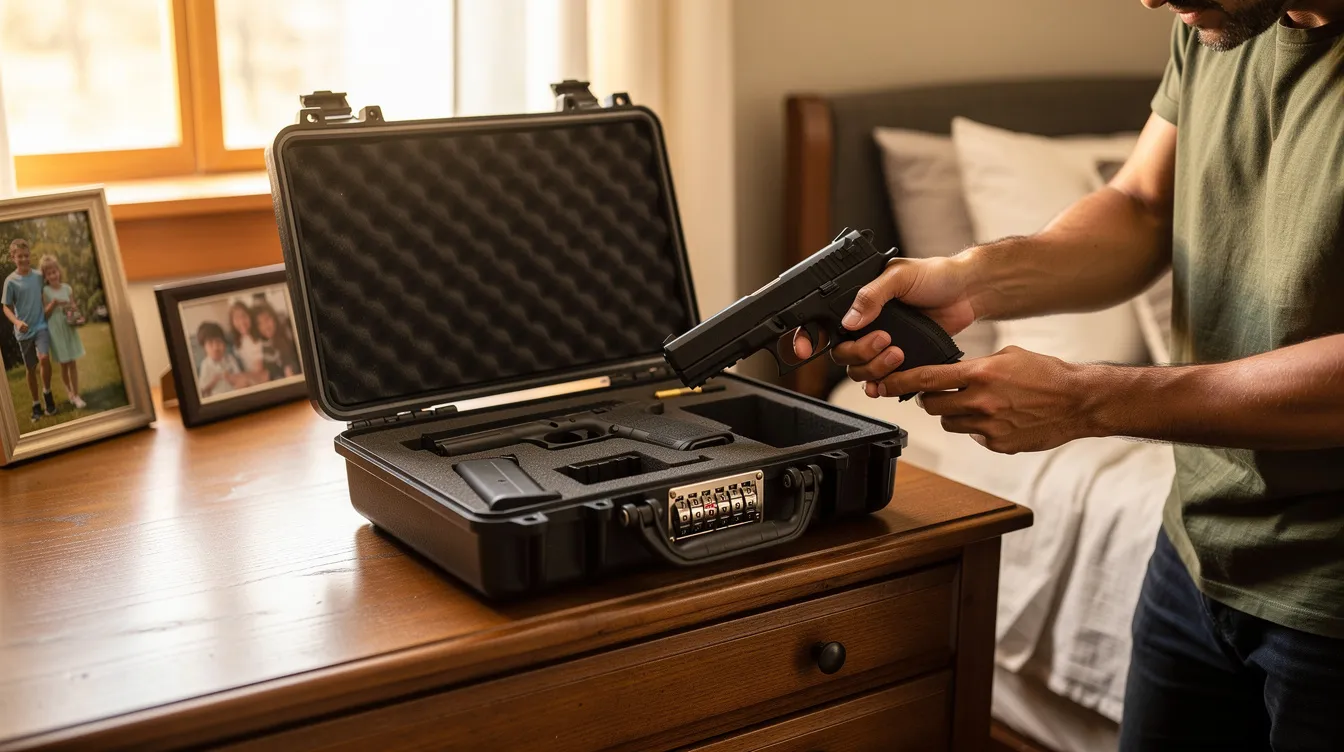
This section gives a plain-language overview of Iowa gun laws as of mid-2026, especially the recent changes that affect everyday gun owners.
Iowa is both:
-
A shall issue state for weapon permits.
-
A constitutional carry state, meaning eligible adults may carry openly or concealed without a permit in most public places.
In other words, Iowa allows open and concealed carry without a permit for many adults. Iowa became a constitutional carry state on July 1, 2021, and individuals aged 18 or older may carry firearms openly or concealed without a permit if they are legally eligible.
Most firearm rules are found in Iowa Code Chapter 724, which covers carry weapons, permit rules, offensive weapons, prohibited persons, and location-based restrictions. Guidance also comes from the Iowa Department of Public Safety, county sheriffs, and the iowa administrative code.
It helps to separate three ideas:
|
Topic |
What it means |
|---|---|
|
Owning |
Possessing a firearm at home or on land owned by you |
|
Purchasing |
Buying through a dealer or private seller |
|
Carrying |
Having a firearm on your person, in public, or in a vehicle |
Each category can have different age limits, background-check rules, and penalties. For example, a Permit To Acquire is no longer required for handguns, background checks are not mandatory for firearm purchases from private sellers, and there are no state-mandated waiting periods to purchase firearms in Iowa.
Iowa law allows no local restrictions on firearms in the broad sense: a city, county, or other political subdivision generally cannot override core state law. Cities and counties can impose restrictions only in specific facilities with armed security, and local enforcement of state law can still lead to charges within city limits.
Iowa Code and Legal Framework
To understand Iowa gun laws, start with the statutes and rules that control permits, carrying, and prohibited conduct.
The main source is Iowa Code Chapter 724. Important examples include:
-
Iowa Code 724.4, which addresses carrying weapons and dangerous weapon offenses.
-
Iowa Code 724.15, which covers permits to acquire pistols and revolvers.
-
Iowa Code 724.6 and 724.7, which address professional and nonprofessional permits.
-
Iowa Code provisions that restrict machine gun possession, some firearms attachments, and other dangerous weapons.
The Iowa Department of Public Safety weapon permit FAQ is also useful because it explains how the law works in practice. Administrative Rules in 661 Iowa Administrative Code Chapter 91 clarify procedures for sheriffs, the Iowa Department, permit application processing, training documentation, appeals, and professional permits.
Iowa’s Constitution affirms the right to keep and bear arms. Iowa adopted Constitutional Amendment 1 in November 2022. Amendment 1 requires strict scrutiny for violations of gun rights, meaning courts apply a high standard when reviewing a law or amendment regulating firearms.
That does not mean every restriction disappears. Iowa still prohibits possession of automatic firearms, and Iowa prohibits possession of automatic firearms by private citizens. Iowa also restricts firearms with a bore over 6/10 of an inch, and short-barreled rifles must be federally registered in Iowa. A machine gun or certain other weapons can create serious criminal exposure unless a narrow legal exception applies.
Permitless Carry and When a Carry Permit Is Still Useful
Iowa became a constitutional carry state on July 1, 2021. That change removed the general requirement for most eligible adults to obtain a permit to carry weapons before carrying a handgun openly or concealed.
Under current iowa law, adults who are not prohibited by state or federal law may generally carry firearms without a permit. That includes concealed carry and the ability to carry openly, but it does not override bans in schools, some government buildings, courthouses, correctional facilities, or private property rules.
A permit is still useful.
Here are common reasons Iowa residents still apply for a nonprofessional permit to carry:
-
Reciprocity allows Iowa permit holders to carry concealed in other states recognizing Iowa’s permit.
-
A valid permit can simplify some firearm purchase processes.
-
A state permit may help show prior background screening.
-
An iowa permit may help reduce confusion during some law enforcement encounters.
-
A carry permit may support federal school-zone law compliance in certain circumstances.
A valid permit issued by Iowa is not a free pass. A person carrying must still obey location rules, intoxication laws, and federal law. Permit holders cannot carry while under the influence of alcohol or drugs, and carrying while intoxicated can be charged as a serious misdemeanor.
Private owners and employers may also set property rules. A business, church, or employer can say firearms are not allowed. If the person presents a refusal to leave after being told to remove the firearm or leave, the issue can become trespass even if carry was otherwise lawful.
Types of Iowa Weapon Permits
Iowa issues several permit types through county sheriffs and, in some cases, the Iowa Department of Public Safety.
Nonprofessional Permit to Carry Weapons
The Nonprofessional Permit to Carry Weapons is the standard permit for private citizens. It covers open and concealed carry where lawful. People may refer to it as a nonprofessional permit, non professional permit, iowa non professional permit, or nonprofessional permit to carry.
Even with permitless carry, many Iowa residents keep this permit for reciprocity and proof of screening. Applicants for a permit must be at least 21 years old. A permit valid under Iowa rules is generally recognized according to its statutory term and limitations.
Professional Permit to Carry Weapons
The Professional Permit to Carry Weapons is for people whose job requires being armed, such as security personnel, armored car employees, a correctional officer, or similar roles.
An iowa professional permit usually requires employer-related documentation and proof that the applicant is specifically authorized to carry as part of the job. Professional permits may involve more demanding training requirements than a standard nonprofessional permit.
Permit to Acquire Pistols and Revolvers
The Permit to Acquire Pistols and Revolvers is now optional. A Permit To Acquire is no longer required for handguns, but some buyers still use it as proof of eligibility.
A Permit To Acquire is valid for five years. A Permit to Acquire is valid for five years and, under Iowa rules, a Permit To Acquire becomes valid three days after application. It can be used to acquire pistols and revolvers, subject to eligibility and dealer requirements.
A permit to acquire does not override federal restrictions. Individuals under 21 cannot purchase handguns from federally licensed dealers, even though the minimum age to possess a handgun under Iowa law has been lowered.
Iowa Educator Professional Permit to Carry Weapons
Iowa also created an Educator Professional Permit to Carry Weapons for qualifying school employees. This permit is limited and heavily regulated.
It generally requires:
-
School approval, often including express written approval from the proper school authority.
-
State-approved firearm safety and emergency-response instruction.
-
Live-fire and scenario training.
-
Compliance with rules for carrying on school grounds.
This is not the same as ordinary permitless carry. School carry must be specifically authorized, and a peace officer or school employee acting outside the legal exception can face severe consequences.
Eligibility, Minimum Age, and Prohibited Persons
This section outlines who may lawfully own, possess, and carry firearms in Iowa.
The recent minimum age change is one of the biggest updates. The legal age to possess a handgun was lowered to 18 in Iowa, and recent legislation allows many 18-to-20-year-olds to own and carry handguns under state law. However, federal law still generally blocks people under 21 from buying handguns from federally licensed dealers.
People under 18 are generally restricted from possessing handguns, with narrow exceptions. Those exceptions may include training, hunting, or supervised use with a minor’s parent, guardian, or another responsible adult providing direct supervision.
Prohibited persons include people who are barred under Iowa Code or federal law, such as:
-
Convicted felons.
-
People subject to certain domestic violence protective orders.
-
People convicted of qualifying domestic violence offenses.
-
People adjudicated mentally ill, dangerous, or otherwise disqualified.
-
People unlawfully using or addicted to a controlled substance.
-
People who are not lawfully present in the United States.
Iowa law allows temporary restrictions for individuals deemed to be in crisis. These restrictions are intended to reduce immediate risk when a person’s condition or behavior creates a public safety concern.
For dealer purchases, federally licensed sellers must run a background check unless a qualifying permit exception applies. For private sales, background checks are not mandatory for firearm purchases from private sellers, but a legal transfer still requires that the seller not knowingly transfer to a prohibited person.
Lying on purchase forms, trying to buy while prohibited, or using false information can lead to separate felony charges.
Applying for an Iowa Carry Permit or Permit to Acquire
Although a permit is not mandatory for most carriers, Iowa’s permit system is still active. It is administered at the county level under statewide standards from the Iowa Department of Public Safety.
Here is the usual process:
-
Apply at the sheriff’s office in the county of the applicant’s residence.
-
Complete the permit application for a permit to carry weapons or permit to acquire.
-
Provide identification, such as an Iowa driver’s license or non-operator ID.
-
Submit any required documentation, including training proof if required.
-
Pay the processing fee set by law.
-
Wait for approval or denial within the timeline required by Iowa Code Chapter 724.
Some sheriff offices allow online forms, while others require in-person submissions. A law enforcement agency may also verify eligibility, criminal history, and records that affect whether a permit can be issued.
If the application is denied, the applicant should receive a written reason. The applicant may then challenge the decision through administrative or court review. In some cases, an investigating officer or sheriff may need to explain the legal basis for the denial.
Renewal rules depend on the permit type. For many permits, it is best to start renewal before expiration. Professional and educator permits may require updated training documentation, while some ordinary permits may not require the same level of re-certification.
Training Requirements and Safety Considerations
Iowa’s 2021 changes removed mandatory training for simply carrying a handgun without a permit. Still, handgun safety training is strongly recommended, and training may be required for certain permits.
Recognized training can include:
-
A handgun safety training course.
-
NRA or instructor certified courses.
-
Iowa Department of Public Safety-approved classes.
-
Hunter education with a handgun component.
-
Small-arms training through the armed forces, national guard, military service, or similar experience.
Good training should help the carrier demonstrate knowledge of:
-
Safe loading and unloading.
-
Secure storage.
-
Legal use of force.
-
Avoiding negligent discharge.
-
Interaction with a law enforcement officer during a stop.
-
What to do if an officer has reasonable suspicion during a lawful investigation.
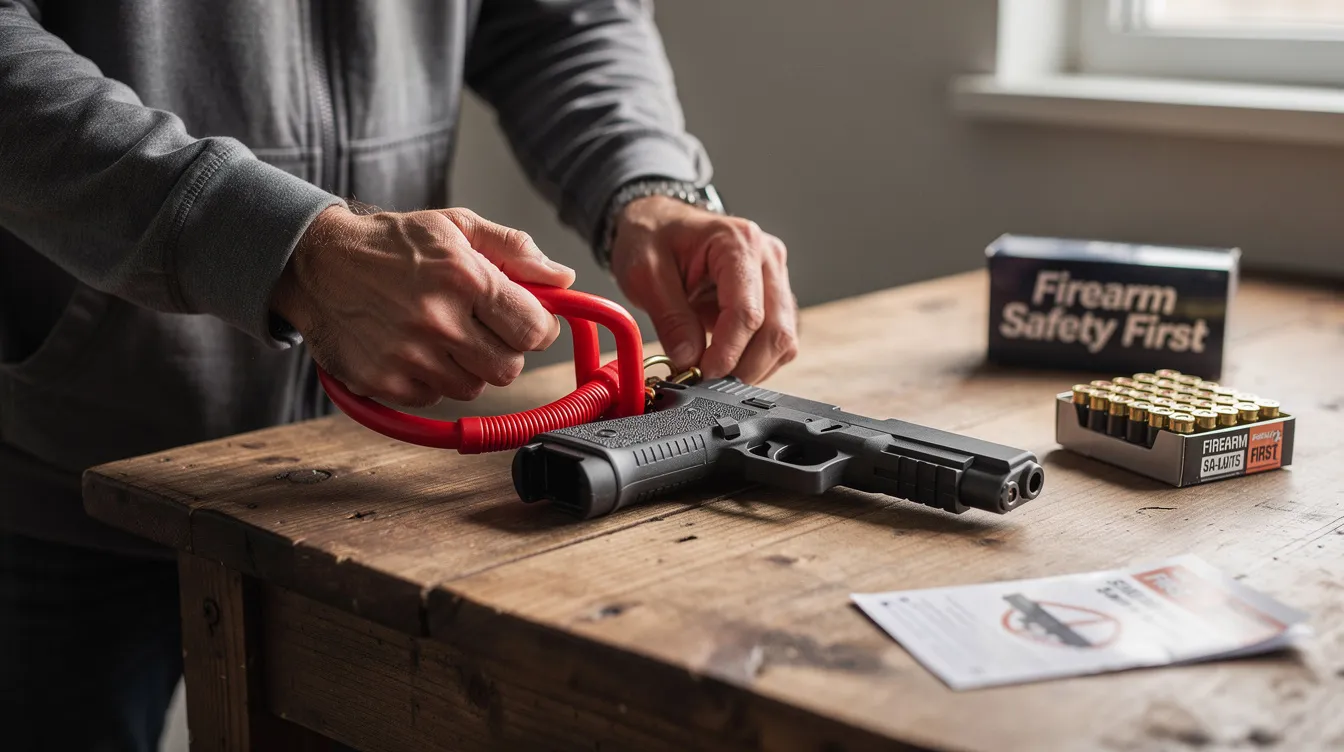
Firearms must be stored to prevent access by children under 14 in Iowa. Even when a specific storage method is not spelled out for every situation, firearm safety practices such as lockboxes, cable locks, and gun safes reduce accidental gun violence.
For school employees seeking an educator permit, the training requirements are more demanding. They can include live-fire qualification, emergency medical instruction, communication training, and scenario-based response.
Where You Can and Cannot Carry Firearms in Iowa
Iowa law allows broad public carry, but some places are restricted regardless of permit status.
Firearms are prohibited in specific locations including schools and government buildings. Common restricted or tightly controlled places include:
-
K–12 school grounds.
-
Certain courthouses.
-
Some state or federal buildings.
-
Correctional facilities and a licensed facility where weapons are barred.
-
Areas controlled by security screening or posted government rules.
-
Private property where the owner prohibits firearms.
Carrying on K–12 school property is one of the highest-risk areas under Iowa law. Exceptions can apply for a peace officer, certain authorized school employees, lawful transportation, or narrowly defined situations, but ordinary carry is not enough.
Private businesses, places of worship, and property owners may set no-gun policies. Ignoring those rules can lead to trespass charges.
Vehicles are treated more permissively for eligible adults. Firearms may generally be transported loaded or unloaded, but special rules can apply to schools, public campuses, employer vehicles, and restricted facilities. Firearms are permitted in personal vehicles in Iowa state parks and forests, subject to other laws.
Alcohol rules deserve special attention. Bars and alcohol-licensed restaurants are not automatically off-limits just because they serve alcohol. But carrying while intoxicated, or while impaired by drugs, can create a separate offense and make any incident worse.
Carrying Firearms Within City Limits and Potential Charges
Iowa is a statewide permitless carry state, but city-limit situations can still create criminal risk.
Iowa Code 724.4 addresses carrying dangerous weapons, including pistols, revolvers, a loaded firearm, and other dangerous weapons. Historically, carrying a pistol or revolver within city limits without a permit created major exposure. Current law protects many eligible adults, but not every situation is protected.
A person can still face aggravated misdemeanor charges in a city if the conduct involves:
-
A prohibited person.
-
Carrying in a forbidden location.
-
Intoxication or drug impairment.
-
Use of a weapon during another offense.
-
Carrying outside the protection of state law.
-
Possession of illegal other weapons.
Certain knives and other dangerous weapons can also trigger a serious misdemeanor or aggravated misdemeanor. This means a firearm might be lawful in one context while a knife or other weapon creates a separate issue.
In cities such as Des Moines, Cedar Rapids, and Davenport, comply with lawful instructions from officers. Arguing at the scene can compound a weapons issue with obstruction, trespass, disorderly conduct, or other charges.
Penalties for Violating Iowa Gun Laws
Violations of Iowa gun laws can range from misdemeanors to felonies, depending on the conduct, location, and prior record.
Typical categories include:
|
Offense level |
Possible consequence |
|---|---|
|
Serious misdemeanor |
Up to one year in jail and fines |
|
Aggravated misdemeanor |
Up to two years of incarceration and higher fines |
|
Class D felony |
Up to five years in prison |
|
Class C felony |
Up to ten years in prison |
Carrying violations are different from possession violations. Carrying in a prohibited place may be charged one way, while possession by a felon can carry much harsher felony penalties.
Examples of high-risk conduct include:
-
Carrying on school grounds without an exception.
-
Possession by a prohibited person.
-
Carrying while intoxicated.
-
Possession of a prohibited machine gun or automatic weapon.
-
Possession of restricted firearms, unlawful firearms attachments, or bore-restricted weapons.
-
Unlawful possession involving handgun ammunition or rifle ammunition in restricted circumstances.
A conviction can cause long-term consequences, including loss of gun rights under federal law, employment problems, housing issues, and difficulty restoring civil rights.
Anyone facing a weapons charge should speak with a qualified Iowa criminal defense attorney. General information is not a substitute for case-specific legal advice.
Interstate Recognition and Travel with Firearms
Iowa recognizes permits from other states. More specifically, Iowa recognizes any valid permit to carry weapons issued by another state, and Iowa honors valid permits from other states. Iowa honors valid gun permits from other states as well.
That means a nonresident with a valid permit issued by another state may generally carry under Iowa law if otherwise eligible. But visitors must still follow Iowa’s location restrictions, intoxication rules, and prohibited-person laws.
For Iowa residents traveling elsewhere, the analysis changes. Reciprocity allows Iowa permit holders to carry concealed in other states recognizing Iowa’s permit, but each state sets its own rules.
Before crossing state lines, check:
-
Concealed carry rules.
-
Vehicle transport rules.
-
Magazine limits.
-
School-zone rules.
-
Whether the destination recognizes an Iowa permit.
-
Restrictions on ammunition, firearm type, or accessories.
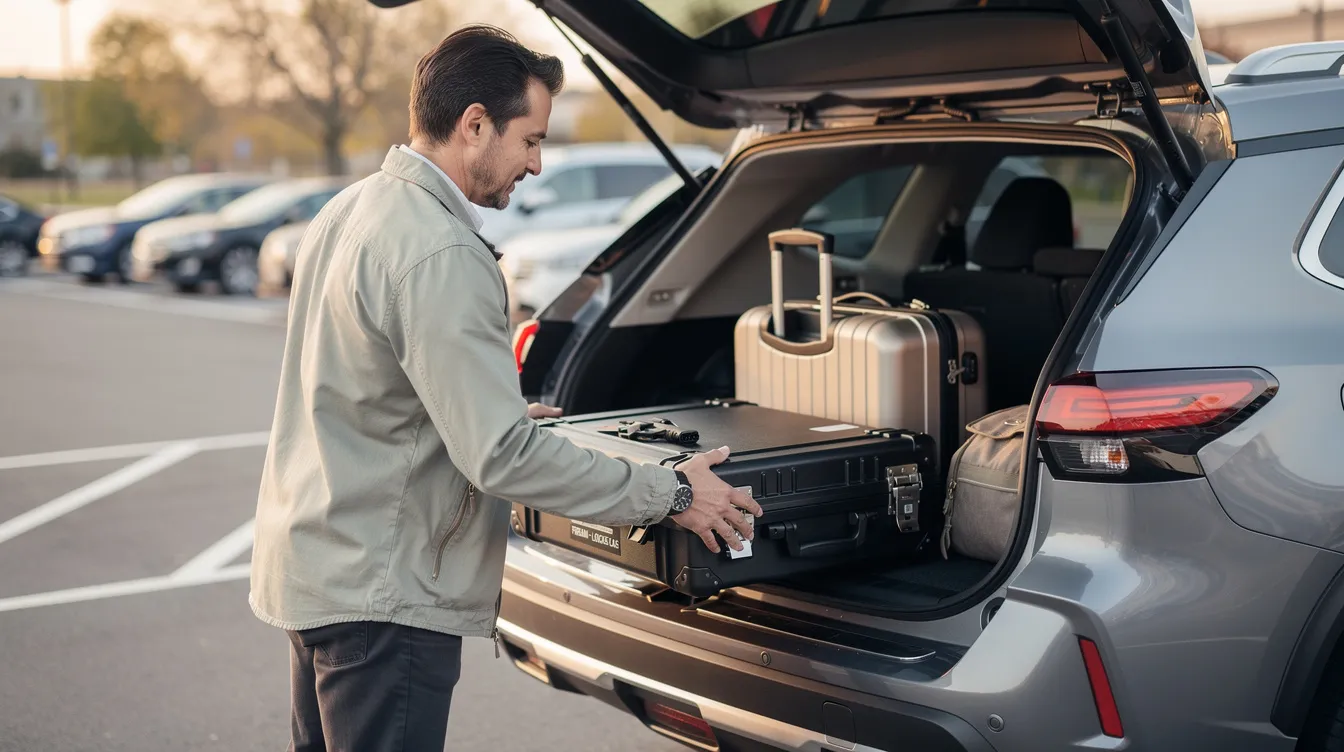
Federal safe-passage laws may protect transportation of unloaded, cased firearms between places where possession is lawful. But those protections have limits and do not override every state or local rule.
Public Safety, Enforcement, and Gun Violence Context
Iowa’s gun policy debates often focus on how to balance individual rights with gun violence prevention and community safety.
The Iowa Department of Public Safety, county sheriffs, local police, and courts all play roles. Sheriffs process permits. DPS publishes rules and forms. Police and sheriffs enforce state law. A law enforcement officer may investigate weapons conduct when there is a complaint, restricted location issue, intoxication concern, or reasonable suspicion of unlawful possession.
Gun violence and gun deaths are also part of the public conversation. Supporters of broader carry rights emphasize self-defense and the constitutional right to bear arms. Critics focus on suicide prevention, domestic violence, accidental shootings, and youth access.
Practical safety steps are useful regardless of politics:
-
Store firearms locked and unloaded when not in use.
-
Keep ammunition separate when appropriate.
-
Use safes, lockboxes, or cable locks.
-
Take a handgun safety training course before carrying.
-
Avoid alcohol or drugs when armed.
-
Review official updates from the iowa legislature, Iowa Senate, DPS, and your county sheriff.
Laws can change quickly. Iowa became a constitutional carry state on July 1, 2021, but later changes lowered the minimum age for handgun possession and expanded specialized school-permit rules. Staying current matters.
FAQ
Do I need a permit to carry a concealed handgun in Iowa?
No. Since July 1, 2021, most law-abiding adults may carry concealed carry handguns in Iowa without a permit. However, a permit remains useful for reciprocity, firearm purchases, and proving eligibility in some situations.
What is the minimum age to buy or carry a handgun in Iowa?
Recent legislation allows many people age 18 and older to possess and carry handguns under Iowa law. However, federal law still generally requires a person to be 21 to purchase a handgun from a federally licensed dealer.
Can I carry a firearm on school property in Iowa?
Usually no. Carrying firearms on K–12 school grounds remains prohibited for most people. Exceptions may apply for law enforcement, a peace officer, lawful transportation, and certain properly credentialed school employees with an Iowa Educator Professional Permit to Carry Weapons.
Does Iowa recognize my out-of-state carry permit?
Yes. Iowa recognizes valid permits issued by every other state. Non-residents with a valid permit may carry in Iowa if they follow Iowa law and are not prohibited from possessing firearms.
Where can I find the most up-to-date Iowa gun laws?
Start with the official Iowa Code, especially Chapter 724, and check guidance from the Iowa Department of Public Safety or your county sheriff’s office. For permit forms and administrative updates, review DPS materials and the Iowa Administrative Code rules on weapon permits.
Meta tags
title
Understanding Iowa Gun Laws: Key Changes and Regulations Explained
66/70
description
Explore the latest changes in Iowa gun laws and regulations. Stay informed about your rights and responsibilities. Read the article for essential insights.
155/156