Wisconsin Gun Laws: A Practical Guide for Firearm Owners
Wisconsin Gun Laws: A Practical Guide for Firearm Owners
Wisconsin has a long tradition of gun ownership rooted in hunting, sport shooting, and personal defense. But understanding the specific rules that govern how you can buy, carry, store, and transport firearms in the state is critical-whether you’re a lifelong gun owner or picking up your first handgun. This guide breaks down the key areas of wisconsin gun laws as of 2026, covering everything from concealed carry permits to safe storage requirements.
Key Takeaways
-
Wisconsin allows open carry of a handgun without a license for adults who are not prohibited from possessing firearms, but carrying a concealed weapon generally requires a valid Wisconsin concealed carry permit under state law.
-
Handgun purchases from a firearms dealer require a background check through the Wisconsin Department of Justice, and specific groups-including felons and individuals under certain restraining orders-are prohibited from possessing firearms under both state and federal law.
-
Federal law and state law impose strict rules in school zones and certain government buildings, even for concealed carry license holders.
-
Wisconsin is a shall-issue state for concealed carry licenses. Applicants must be at least 21 years old, complete approved training, and meet eligibility standards.
-
This article is an overview of wisconsin gun laws as of 2026 and is not legal advice. Consult current statutes or a qualified attorney for specific situations.
Overview of Wisconsin Gun Laws
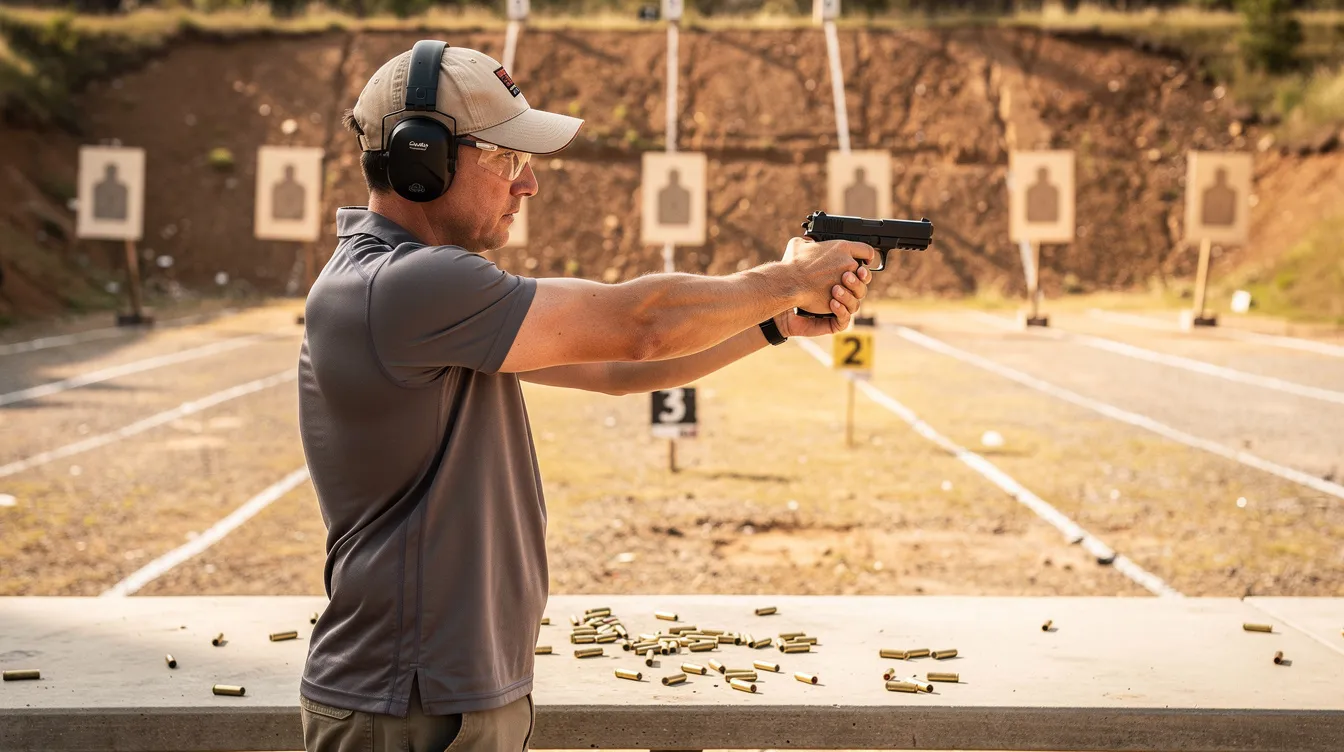
Wisconsin regulates firearms-handguns, rifles, and shotguns-through a combination of state law and federal law. The state takes a generally permissive approach to gun ownership while maintaining clear restrictions on who can possess firearms, where they can be carried, and how they must be transported.
The most important distinction to grasp early is the difference between open carry and concealed carry. Open carry of a handgun is legal in Wisconsin for adults who are not prohibited from possession-no license or state permit is needed. Open carry was codified in Wisconsin law in 2011, formalizing what had been a largely unregulated practice. By contrast, carrying a concealed weapon-a handgun hidden on your person or within reach in a vehicle driven by you-typically requires a concealed carry license issued by the Wisconsin Department of Justice.
Key governing sources include:
-
Wisconsin Statutes Chapter 941 (Crimes Against Public Health and Safety)
-
Wisconsin Statutes Chapter 948 (Crimes Involving Children)
-
Wisconsin Statutes Chapter 175 (Concealed Carry Permits and DOJ Oversight)
-
Article I, Section 25 of the Wisconsin Constitution (Right to Bear Arms)
-
Federal Gun Control Act (18 USC § 922) and the Gun-Free School Zones Act
One important structural point: localities in Wisconsin cannot impose stricter firearm laws than state law. A political subdivision may regulate things like zoning or discharge ordinances, but it cannot create its own permit requirements or ban types of firearms that the state allows. This preemption keeps the rules relatively uniform across the state.
Constitutional Right and General Possession Rules
Wisconsin’s Constitution, Article I, Section 25, explicitly protects the right to keep and bear arms “for security, defense, hunting, recreation or any other lawful purpose.” This provision serves as the foundation for gun rights in the state and also sets the boundaries within which the legislature can regulate firearms.
Who Can Possess Firearms?
In general, any adult aged 18 or older who is not a prohibited person under state or federal law may possess firearms in Wisconsin. No state permit or registration is required merely to own a handgun, rifle, or shotgun. Wisconsin has no statewide firearm registration system.
Who Is Prohibited?
Under Wis. Stat. § 941.29, the following categories of people cannot possess firearms:
-
Individuals with a felony conviction (a felony conviction prohibits an individual from possessing firearms in Wisconsin)
-
Persons adjudicated delinquent for an act that would be a felony if committed by an adult (after April 21, 1994)
-
Individuals found not guilty by reason of mental disease or defect
-
Persons committed for mental health treatment and subject to a firearm prohibition order
-
Individuals subject to certain domestic abuse injunctions, child abuse restraining orders, or harassment injunctions
Violating § 941.29 is a Class G felony-a serious criminal offense that carries significant prison time.
Castle Doctrine and Self Defense
Wisconsin provides immunity provisions for lawful self defense in homes, vehicles, and businesses. Under Wis. Stat. § 939.48(1m) and § 895.62, a person who uses force in defense against an intruder under qualifying circumstances may be shielded from both criminal prosecution and civil liability. The law does not require a duty to retreat in your own dwelling, motor vehicle, or place of business before using defensive force, though the specifics are fact-dependent.
Wisconsin Concealed Carry Laws
Wisconsin became a shall-issue concealed carry state on November 1, 2011, when residents could first apply for a concealed carry license through the Wisconsin Department of Justice. The law is governed primarily by Wis. Stat. § 175.60.
What Counts as a Concealed Weapon?
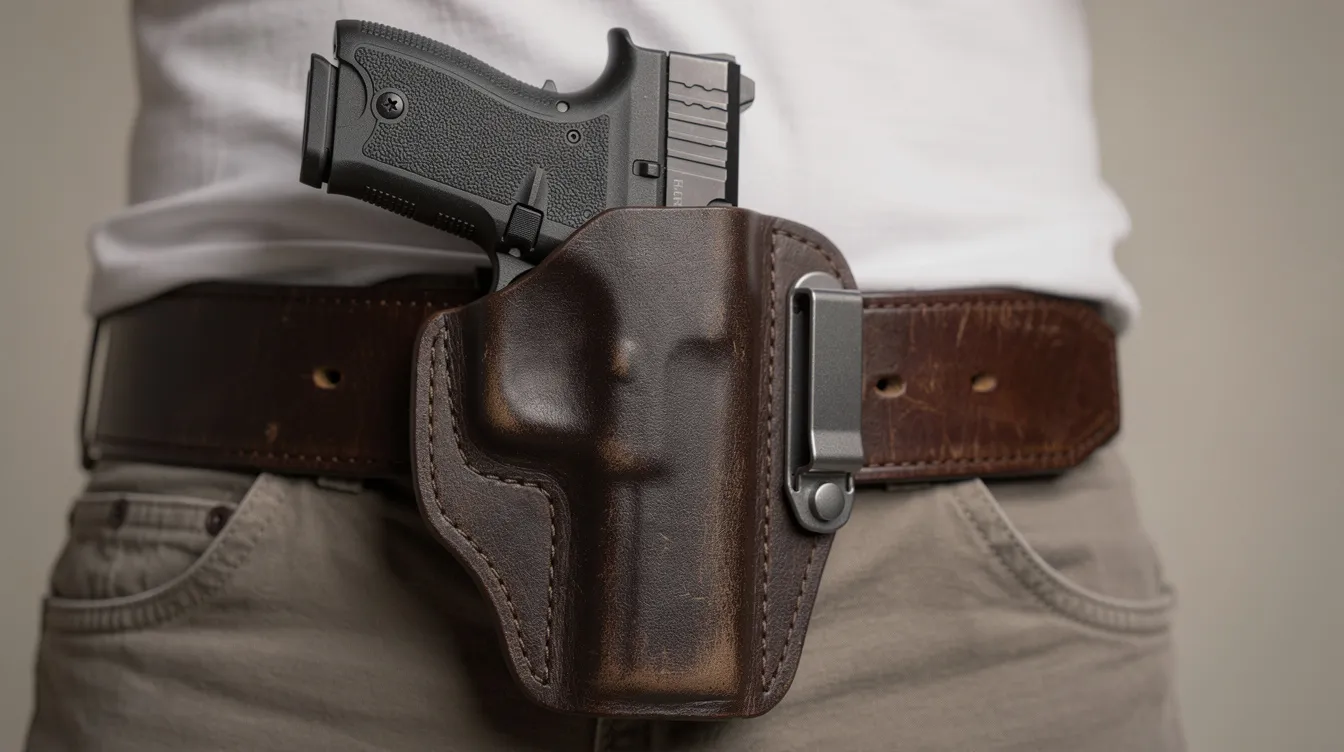
Under state statute, a concealed weapon is a dangerous weapon-such as a handgun, electric weapon, or billy club-that is hidden from ordinary observation on your person or within reach in a vehicle. If a loaded handgun is tucked under a jacket, in a bag, or in a glove compartment within reach, it’s considered concealed.
Carrying a concealed weapon without a valid license is a Class A misdemeanor, punishable by up to 9 months in jail and a fine of up to $10,000.
Eligibility Requirements
To obtain a Wisconsin concealed carry permit, you must meet these criteria:
|
Requirement |
Details |
|---|---|
|
Age |
At least 21 years old |
|
Residency |
Wisconsin resident or qualifying non resident |
|
Criminal History |
Not prohibited from possessing firearms under § 941.29 |
|
Training |
Completion of approved firearms training |
|
Application Fee |
$40 initial fee, valid for five years |
Approved Training Options
Training is required to obtain a concealed carry license in Wisconsin. Acceptable training includes:
-
A hunter safety course completed after 1973
-
Military or armed forces training documentation
-
Law enforcement officers training credentials
-
A DOJ-certified concealed carry safety class
Military personnel and current or former law enforcement officers may qualify based on their service records.
Where Can You Carry?
A concealed carry license is valid in most public places across Wisconsin. However, even license holders face restrictions at the following locations:
-
School grounds and school buildings
-
Certain government buildings (e.g., municipal courtrooms, some state offices)
-
Areas posted with “no firearms” signs by private property owners
-
Secure areas of police stations and jails
-
State patrol stations and certain law enforcement facilities
-
Any place where other laws specifically prohibit carrying
Background Checks and Firearm Purchases
Wisconsin uses the DOJ Firearms Unit-operating through the Wisconsin Handgun Hotline and the FFL Online system-to process background checks for handgun transfers by licensed dealers.
How the Process Works
-
A firearms dealer contacts the Wisconsin Department of Justice via the Handgun Hotline or FFL Online portal
-
DOJ searches both state criminal justice databases and the federal NICS system
-
DOJ returns an approval, denial, or delay
-
The dealer may not transfer the handgun until DOJ approves, or until five business days have elapsed without a response
Licensed dealers must conduct background checks for all handgun sales in Wisconsin. Background checks are processed through the Wisconsin Department of Justice or the federal NICS system, incorporating both state and federal prohibiting criteria.
Age Requirements for Purchases
Understanding age rules is essential:
-
You must be 21 to buy or own a handgun from a licensed dealer
-
You can buy a handgun from a private sale at 18
-
You must be 21 to purchase handgun ammunition from an FFL (federally licensed dealer)
-
Long guns (rifles and shotguns) can be purchased from a dealer at 18
Private Sales
Wisconsin does not require background checks for private sales of firearms. However, it remains illegal to knowingly transfer a firearm to a person who is prohibited from possessing one. Anyone making private sales should exercise due diligence-some sellers voluntarily use an FFL dealer to run a background check for documentation and protection.
Carrying Firearms: Open Carry, Vehicles, and Restricted Locations
Open carry of a handgun is generally lawful for adults in Wisconsin who are not prohibited from possession. You do not need a permit to carry a firearm in plain sight. Open carry is allowed in state parks since January 2013, and the Wisconsin Supreme Court ruled against banning firearms on buses, reinforcing that a person legally carrying openly cannot be barred from public transit.
Vehicle Rules
Transporting firearms in a vehicle involves specific rules under Wis. Stat. § 167.31:
|
Firearm Type |
Transport Requirement |
|---|---|
|
Handguns |
A concealed carry license is needed for loaded handguns within reach. Loaded handguns must be visible if not concealed. Without a license, a handgun should be unloaded and encased. |
|
Long guns |
Long guns must be unloaded and visible during transport. They must be in a case or otherwise not concealed. |
|
General rule |
Firearms must be visible while transported in a vehicle driven by you, unless you hold a concealed carry permit. Firearms must be unloaded during transport (exception: licensed concealed carry holders with handguns). |
A concealed carry license is required to carry a loaded handgun in a vehicle if it’s within reach or hidden from view. Transporting firearms without following these rules can result in criminal charges.
School Zones
It is illegal to carry a firearm within 1,000 feet of a school in Wisconsin under the federal Gun-Free School Zones Act. Wisconsin’s own statute (§ 948.605) also prohibits possessing firearms on school grounds, with very narrow exceptions. Traversing school grounds while passing through may have limited exceptions for concealed carry license holders under federal law, but carrying inside school buildings is generally prohibited.
Firearms cannot be carried in certain locations such as schools and government buildings-even for license holders. In school zones, the rules are enforced strictly, and violations carry serious penalties under both state and federal law.
Other Restricted Areas
Even with a valid license, you cannot carry firearms in these following locations:
-
K-12 school buildings and grounds
-
Certain courthouses and municipal courtrooms
-
Secure areas of police stations and jails
-
State patrol stations
-
Any parking facility attached to a restricted building (in some cases)
-
Private property where owners post “no firearms” signs
-
Secure areas of airports
Alcohol and Firearms
You cannot carry a firearm while under the influence of alcohol or controlled substances (§ 941.20). If you consume alcohol at a bar or restaurant, carrying a loaded firearm on your person is illegal regardless of your license status. Special rules apply in establishments that serve alcohol, and license holders should be especially cautious.
Firearms, Minors, and Safe Storage
Wisconsin gun laws have specific provisions for child access prevention regarding firearms. The state focuses on preventing unauthorized access by children through statutes like Wis. Stat. § 948.55 and § 948.60.
Age-Related Rules
-
Minors under 18 cannot possess dangerous weapons without supervision, per § 948.60
-
Children over 12 can use rifles and shotguns under adult supervision for hunting or target practice
-
Exceptions exist for supervised firearms safety courses, hunter safety training, and organized shooting programs
Penalties for Unsafe Storage
Under § 948.55, if an adult leaves a loaded firearm within easy access of a child under 14, and the child improperly discharges or possesses the firearm, the adult can face criminal charges. The statute applies when the storage is reckless-meaning a reasonable person would have known the child could gain access.
Common legal defenses include:
-
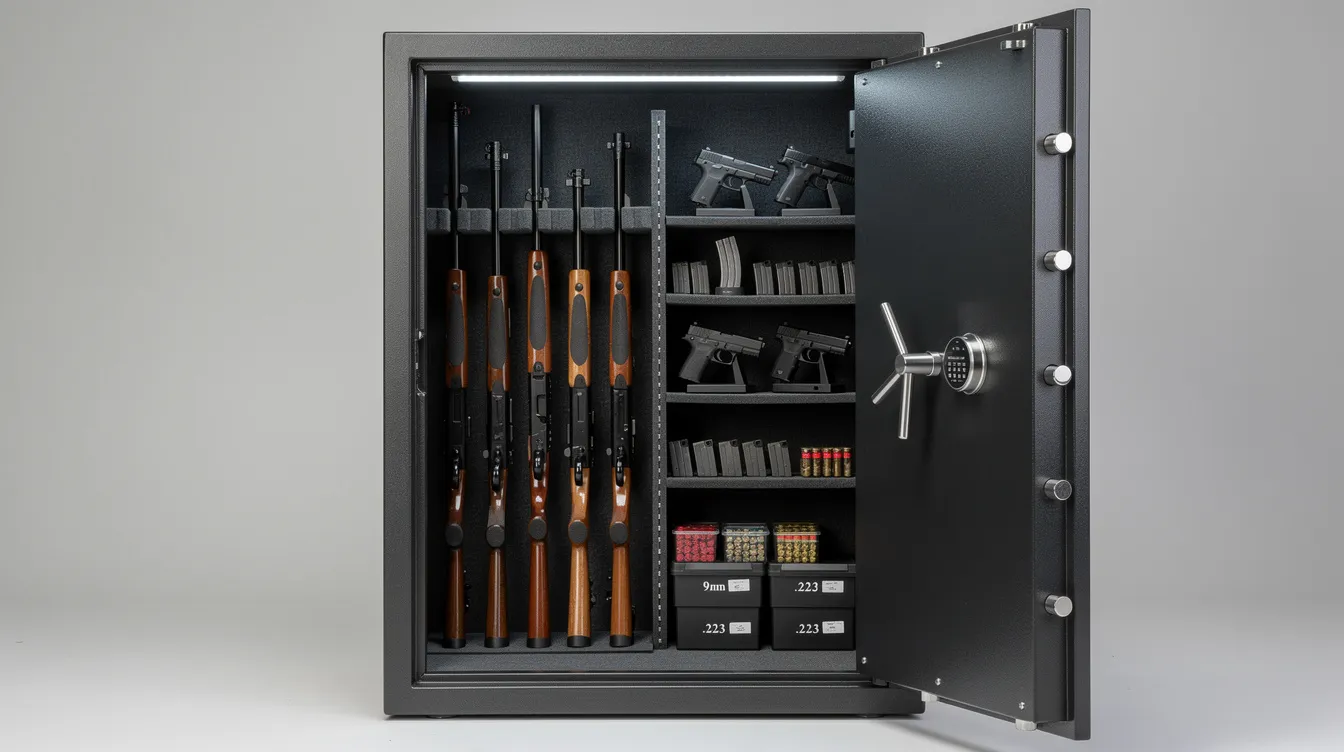
The firearm was stored in a locked container or gun safe
-
A trigger lock or cable lock was in place
-
The adult had the firearm on their person or within immediate reach
-
The adult had reasonable belief that the storage location was secure
Dealer Requirements
At the point of sale, a firearms dealer must provide a written warning-in large block letters-about the risks of leaving a loaded firearm accessible to children. This requirement exists to ensure buyers are aware of their safe storage obligations from the moment of purchase.
Best Practices
Even where not strictly mandated by state statute, responsible gun owners should:
-
Store firearms in a locked safe or locked container, especially in homes with minors
-
Keep ammunition stored separately from firearms
-
Use cable locks or trigger locks on all stored guns
-
Educate household members about firearm safety
Domestic Violence, Restraining Orders, and Firearm Surrender
Both federal and Wisconsin gun laws restrict firearm possession for individuals involved in domestic violence, harassment, or stalking cases. These restrictions are among the most consequential in the state’s firearms framework.
Who Is Affected?
People subject to certain final domestic abuse or child abuse injunctions, or some harassment restraining orders, may be prohibited from possessing firearms under both state and federal law. Under Wis. Stat. § 813.12, domestic abuse injunctions can be granted for up to 4 years-and up to 10 years if the court finds a substantial risk of homicide or sexual assault.
A restraining order tied to domestic violence can trigger immediate firearm surrender requirements. Disorderly conduct convictions related to domestic abuse situations have been the subject of legal debate: in 2022, the Wisconsin Supreme Court ruled that certain disorderly conduct convictions do not automatically equate to a federal “misdemeanor crime of domestic violence” under 18 USC § 922(g)(9). This means state prohibitions may apply even when federal ones do not, and vice versa.
Firearm Surrender Procedures
When a court issues a qualifying injunction, the respondent must:
-
Surrender all firearms to the county sheriff or a designated third party
-
Complete a notification form confirming surrender within the court-ordered deadline
-
Appear at a hearing if required under § 813.1285 to verify proper surrender
Consequences of Violations
Violating a firearm prohibition tied to a domestic abuse injunction or restraining order can lead to criminal charges under § 941.29 (a Class G felony), confiscation of firearms, and additional penalties. District attorneys take these violations seriously.
If you are involved in a domestic violence or protective order situation, seek legal advice promptly. Firearm rights may be affected permanently depending on the case outcome.
Other Wisconsin Firearms and Weapons Laws
Wisconsin regulates additional weapons and related conduct beyond standard firearms rules. Here are the key areas to be aware of.
Electric Weapons
Electric weapons-including stun guns and Tasers-are regulated under Wis. Stat. § 941.295. Possession is generally lawful for adults who are not prohibited persons under § 941.29. Carrying an electric weapon concealed may require a concealed carry permit, following the same rules as handguns.
Machine Guns and NFA Items
Wisconsin prohibits possession of machine guns and fully automatic weapons (§ 941.26) unless they are properly registered under federal law (National Firearms Act). Similarly, a short barreled rifle or short barreled shotgun is illegal to possess unless the owner complies with federal NFA registration requirements. These are not part of standard civilian ownership for most wisconsin residents.
Hunting and Transport Rules
When transporting firearms for hunting:
-
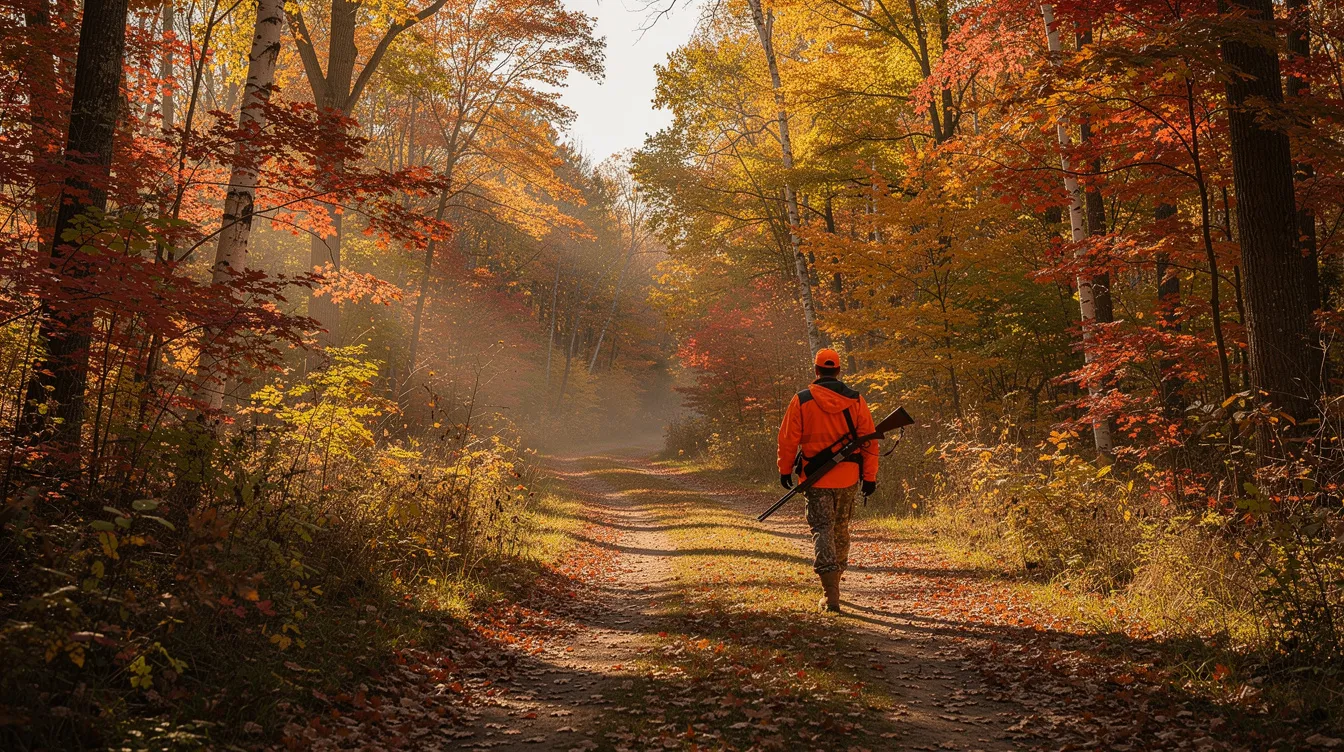
Rifles and shotguns must be unloaded and encased in a vehicle
-
Discharging a firearm from a vehicle is prohibited under most circumstances
-
Special provisions apply in state parks, wildlife refuges, and fish hatcheries-check DNR regulations
A concealed carry permit interacts with DNR regulations in specific ways: some encased/unloaded rules may not apply to licensees carrying handguns in certain areas, but long guns remain subject to standard transport requirements.
Other Conduct Restrictions
Other laws address:
-
Carrying firearms while intoxicated
-
Negligent or reckless use of a weapon (purpose manifestly dangerous to others)
-
Discharging firearms within city limits or near dwellings
-
Using a firearm in a manner that endangers the safety of another person
Law enforcement officers acting in their official capacity, and military personnel with lawful authority, may be exempt from certain restrictions that apply to civilians.
Staying Compliant and Keeping Up With Changes
Wisconsin gun laws can change through new legislation, court decisions, executive order, or regulatory updates. What’s accurate today may shift after the next legislative session. Responsible firearm owners must stay informed.
Practical Steps to Stay Current
-
Check the Wisconsin DOJ and DNR websites regularly for updated guidance
-
Review current Wisconsin Statutes online-each state statute is publicly available
-
Follow official agency announcements about processing time changes for permits, new restricted zones, or updated reciprocity agreements with other states
-
Members of the State Bar of Wisconsin and various legal aid organizations often publish accessible summaries of changes
When to Consult an Attorney
If you have complicated circumstances-past criminal charges, out-of-state convictions, a current restraining order, or mental health adjudications-consult a qualified Wisconsin attorney before attempting to possess firearms. Restoring rights after a disqualifying event can involve court petitions, pardons, or other procedures that vary by jurisdiction.
Keep Training
Even if you already hold a valid license, consider taking additional firearms safety and concealed carry training courses. These courses deepen your understanding of self defense law, restricted zones, and the interaction between state and federal rules. Many courses also cover the use of force doctrine and practical scenarios that go well beyond the minimum requirement.
This guide is for general information only and should not be treated as personalized legal advice-especially regarding self defense incidents or rights restoration. Non residents and wisconsin residents alike should verify current law before relying on any summary.
Frequently Asked Questions About Wisconsin Gun Laws
Do I need a concealed carry permit to have a handgun in my car in Wisconsin?
It depends on how the handgun is positioned. If the handgun is loaded and within reach-such as in a glove compartment, center console, or on the seat beside you-it is generally considered a concealed weapon under Wisconsin law, and you would need a concealed carry permit. Without a permit, the handgun should be unloaded and in a case, or otherwise transported so it’s not concealed on your person or within reach in a vehicle. If you’re unsure, review the current state statute or speak with a certified firearms instructor or lawyer about lawful vehicle carry options.
Is a background check required for private gun sales in Wisconsin?
No. Wisconsin does not currently require universal background checks for private, face-to-face sales between individuals who are not licensed dealers. However, it is illegal to knowingly sell or transfer a firearm to someone who is prohibited from possessing one-even in a private sale. Some private sellers choose to use an FFL dealer to run a voluntary background check for added protection and documentation, which is a recommended practice.
Can I carry a gun in Wisconsin school zones with a concealed carry permit?
Wisconsin law and federal law heavily restrict firearms on actual school grounds and inside school buildings. A concealed carry permit may provide limited protection under the federal Gun-Free School Zones Act when you are merely passing within 1,000 feet of a school, but it does not generally allow carrying inside school buildings. Law enforcement officers and individuals participating in authorized school programs may have narrow exceptions. Be extremely cautious around school zones and review both state and federal rules before carrying in those areas.
Are there magazine capacity limits or assault weapon bans in Wisconsin?
As of 2026, Wisconsin state law does not impose a general magazine capacity limit or a state-level “assault weapons” ban for most civilian owners. You can legally own pistol cartridges in standard or high-capacity magazines. However, federal law still affects certain firearms and accessories (such as NFA items), and local rules about discharge or zoning may apply. Always confirm that nothing has changed in recent legislative sessions before purchasing or configuring high-capacity magazines or modern sporting rifles.
How does a criminal conviction affect my gun rights in Wisconsin?
A felony conviction triggers a lifetime ban on firearm possession under both federal law and Wisconsin state law. Certain specific misdemeanor offenses-especially domestic violence misdemeanors-can also result in prohibitions. Restoring firearm rights after disqualifying convictions can be complex and may require court action, pardons, or other legal procedures depending on the offense and jurisdiction. Anyone with a past conviction who is unsure about their status should get a legal opinion before attempting to possess or purchase any firearm or ammunition.
Meta tags
title
Understanding Wisconsin Gun Laws: Essential Information You Need
64/70
description
Navigate Wisconsin’s gun laws with confidence. Get essential insights and practical information to stay informed. Read the article for clarity and guidance.
156/156