Washington Gun Laws: Overview, Recent Changes, and What Gun Owners Need to Know
Washington Gun Laws: Overview, Recent Changes, and What Gun Owners Need to Know
Key Takeaways
-
Washington has relatively high gun law strength and ranks 9th in the U.S. for firearm safety legislation, with universal background checks, age restrictions, safe-storage rules, and strengthened regulations on dealers.
-
Washington prohibits the sale of assault weapons and high capacity ammunition magazines, while generally allowing continued possession of many lawfully owned pre-ban items.
-
All firearm purchases in Washington require a universal background check, and Washington State has a 10-day mandatory waiting period for firearm purchases.
-
Washington is an open carry state for firearms, but concealed carry requires a concealed pistol license (CPL), and open carry is legal in Washington but heavily restricted in sensitive areas.
-
Washington allows for Extreme Risk Protection Orders to temporarily remove firearms when court proceedings show a serious risk of harm.
Introduction to Washington Gun Laws
Washington gun laws are among the more restrictive firearm laws in the United States. Washington state has moved closer to heavily regulated states like California and New York, especially after Initiative 1639, the high-capacity magazine ban, the assault weapons sales ban, and the new permit-to-purchase system scheduled for 2027.
This guide explains the major rules that gun owners, buyers, visitors, and people carrying firearms should understand. We’ll cover who may own or possess firearms, how the background check system works, restrictions on assault weapons and magazines, concealed pistol license rules, the extreme risk law, local government authority, and practical compliance steps.
Most Washington state law on firearms is found in RCW Chapter 9.41, with related rules in protection-order statutes such as Chapter 7.105 RCW. Washington state preempts local firearm regulations under RCW 9.41.290, which means most firearm regulation is set by the state legislature rather than cities or counties.
Washington law also reflects a balance. Individuals have constitutional rights to bear arms under the U.S. and Washington constitutions, but state law also uses gun safety laws to reduce gun violence, limit access by prohibited persons, and regulate firearm possession in sensitive places.
This article is practical information, not legal advice. Washington passed laws frequently in the late 2010s and 2020s, and recently enacted laws may still be affected by future legislation or court decisions after 2026.
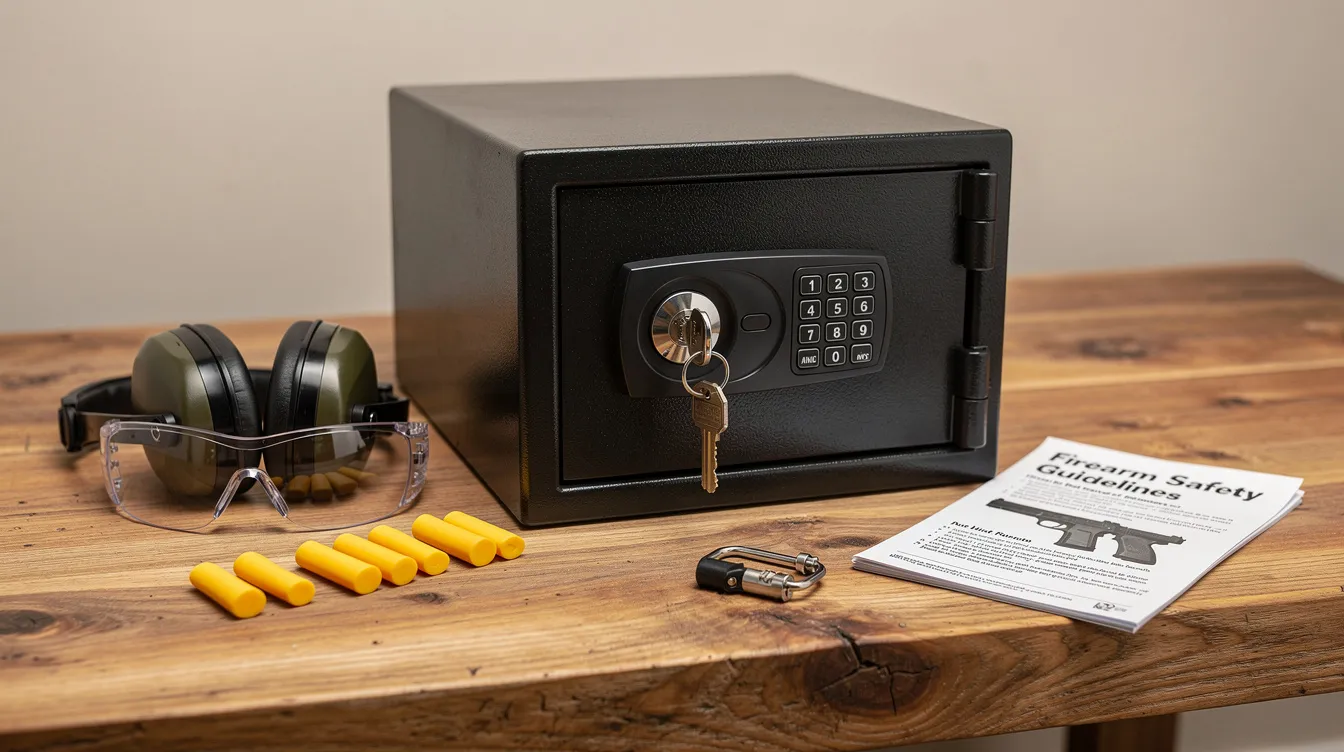
Who Can Own and Possess Firearms in Washington
Eligibility starts with three questions:
-
Are you old enough under state law and federal law?
-
Are you a prohibited person?
-
Are you trying to purchase firearms or carry firearms in a restricted place?
Individuals in Washington must be at least 21 years old to purchase handguns and semi-automatic rifles. Age restrictions apply for purchasing firearms in Washington State, and Initiative 1639 created a notably strong minimum age rule for semiautomatic assault rifles. Many ordinary rifles and shotguns may still be available to adults 18 and older, depending on the firearm and transaction, but firearm purchases must still pass the required background check.
Washington also restricts younger adults from possessing certain firearms in many settings. For example, a person aged 18 to 20 who lawfully possesses a semiautomatic rifle may generally be limited to places such as the person’s home, property under the person’s control, a fixed place of business, target shooting, or a lawful outdoor recreational activity.
Common disqualifiers include:
-
Felony convictions
-
Certain domestic violence misdemeanors
-
Active protection orders or extreme risk protection orders
-
Certain involuntary mental health commitments
-
Certain immigration statuses, including some non-immigrant visa situations
-
Court conditions while a person is pending trial in some criminal cases
-
Other prohibitions under federal law
Washington’s system also uses state databases and the federal NICS system to identify prohibited persons. The washington state patrol, local law enforcement, courts, and health-related databases may all play a role in screening firearm possession eligibility.
Restoration of firearm rights may be possible in some cases, but it is highly fact-specific. A person with an old conviction, a prior commitment, or a vacated case should not assume that rights have automatically returned without reviewing Washington state law and, ideally, speaking with a qualified attorney.
Background Checks and Permit-to-Purchase Requirements
All firearm purchases in Washington require a universal background check. This includes most private transfers, not just sales by firearms dealers. In practice, many private transactions must be processed through a licensed dealer so that the required checks can be completed.
Washington’s background check system is stricter than a simple federal instant check. Depending on the firearm, the process may involve:
|
Requirement |
What it means |
|---|---|
|
Universal background check |
Applies to nearly all firearm sales and transfers |
|
Dealer processing |
Private transfers often go through licensed firearms dealers |
|
State-level review |
Washington checks state criminal, warrant, and mental health records |
|
Waiting period |
Washington State has a 10-day mandatory waiting period for firearm purchases |
|
Training rules |
Some purchases require proof of safety training |
The next major change is House Bill 1163. Gov. Bob Ferguson signed the new law creating a permit-to-purchase system, effective May 1, 2027. Washington requires a permit to purchase firearms which includes safety training, and that permit will be valid for five years.
Under the new system, applicants will apply through the Washington State Patrol background check program. The permit will generally require:
-
Fingerprints
-
A background check
-
Proof of safety training completed within the last five years
-
Personal identification information
-
Payment of applicable fees
-
Review within statutory timelines
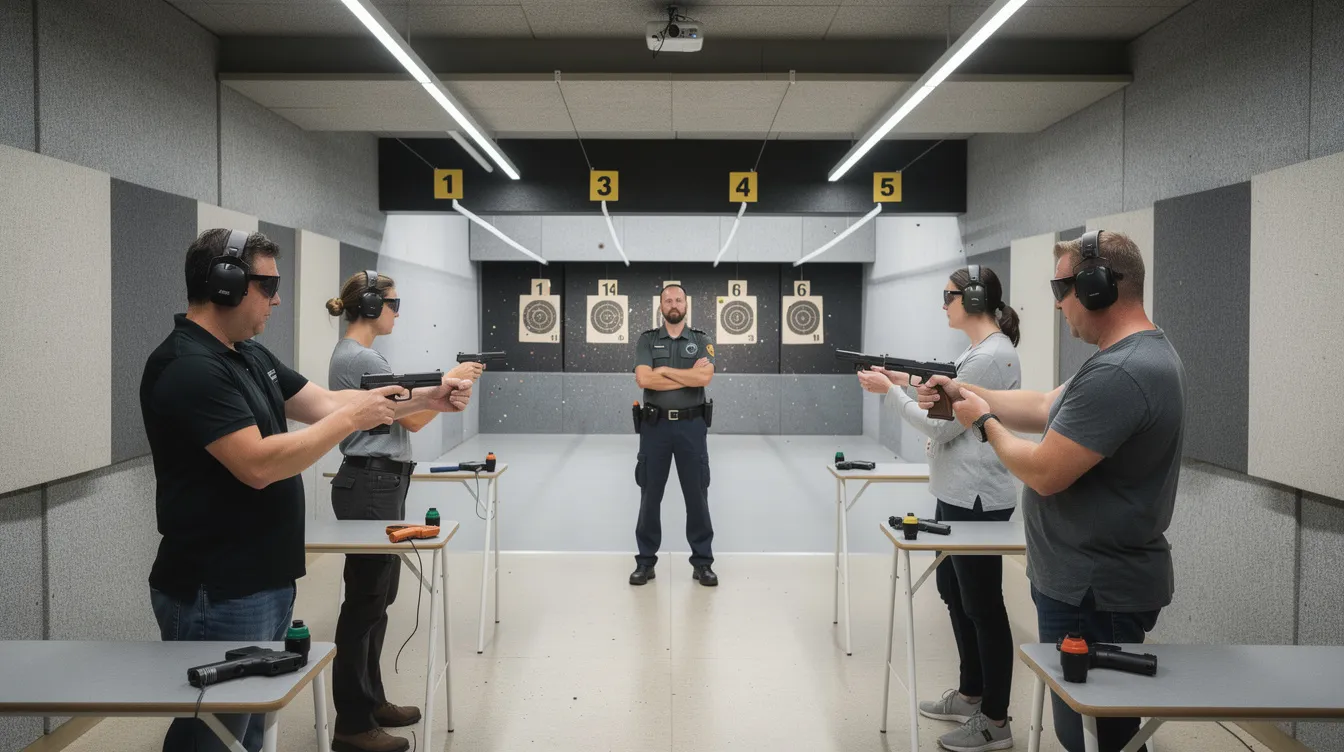
The required course must include certified firearm safety training. In many cases, training will need to involve a certified firearm safety trainer and cover safe handling, secure gun storage, suicide prevention, state and federal firearm laws, and lawful use. The law is also designed to expand safety training by adding a live-fire component for many applicants.
The new permit-to-purchase law adds to, rather than replaces, existing background checks. After May 1, 2027, a person will need the enhanced permit before a dealer may transfer a firearm, and a separate dealer request and waiting period will still apply.
If the application is complete, the state generally must issue or deny within 30 days, or within 60 days for certain applicants without permanent Washington identification or sufficient residency history. Denials may lead to court proceedings; depending on the agency action, related disputes may also involve administrative hearings or records review.
Firearms dealers have additional obligations under Washington law. Dealers must report lost or stolen firearms within 24 hours. Dealer compliance also intersects with sales records laws, background check duties, storage-device requirements, and new reporting rules discussed later in this guide.
Assault Weapons, High-Capacity Magazines, and Other Firearm Restrictions
Washington has targeted restrictions on certain firearms, accessories, and parts. These laws are a major reason Washington’s gun law strength is considered high compared with many other states.
Washington prohibits the sale of assault weapons. Effective April 25, 2023, Washington banned the sale, manufacture, distribution, and import of defined assault weapons. The law includes many named models and feature-based definitions. However, the law does not generally ban continued possession of assault weapons that were lawfully owned before the ban.
There are exemptions for law enforcement officers, military use, and certain limited transfers. Litigation over assault weapons bans continues nationally, and Washington’s law may remain the subject of federal court challenges.
Washington prohibits the sale of high-capacity magazines. Since July 1, 2022, Washington has banned the sale, manufacture, and distribution of magazines holding more than 10 rounds. Existing possession remains generally legal, but distribution and new sales are restricted.
Washington has also enacted laws targeting ghost guns which are untraceable firearms. Homemade firearms sales are prohibited in Washington, and state law restricts unserialized frames, receivers, and related parts. These rules are aimed at firearms that lack traceable serial numbers.
Other restrictions include:
-
Short barreled rifles and certain other weapons regulated under RCW 9.41
-
Rules for antique firearms, especially where a firearm has particular historical significance
-
Unsafe-storage liability if a child or prohibited person gains access
-
Restrictions on carrying in sensitive or restricted access areas
-
Limits on firearm components that can be converted into unlawful weapons
Washington does not impose ordinary firearm registration for most gun owners, but background checks, dealer records, and some sales records laws still create transaction documentation. Gun industry members and dealers should be especially careful with compliance because enforcement can involve both civil and criminal penalties.
Concealed Carry, Open Carry, and Concealed Pistol Licenses (CPL)
Washington is an open carry state for firearms. That means a person may openly carry firearms in many public places without a concealed carry license, if the person is otherwise legally allowed to possess the firearm. However, open carry is legal in Washington but heavily restricted in sensitive areas.
Concealed carry is different. Concealed carry requires a concealed pistol license (CPL). A person generally needs a concealed pistol license to carry concealed a pistol on the person or to carry a loaded handgun in a vehicle. Washington’s CPL is often casually called a concealed carry license, but the official term is concealed pistol license.
CPL applications require fingerprinting and a background check. Applications are usually submitted through a local police department or county sheriff, depending on where the applicant lives. The agency checks criminal history, warrants, mental health disqualifiers, protection orders, and other eligibility factors.
Beginning May 1, 2027, the new permit-to-purchase law will interact with CPL processing. A person with a valid purchase permit may receive a fingerprinting waiver in some CPL situations because fingerprints will already have been submitted through the purchase-permit process.
Places where carry may be restricted include:
-
Schools and school facilities
-
Courtrooms and certain court areas
-
Public mental health facilities
-
Jails and correctional facilities
-
Secured airport areas
-
Bars and areas where alcohol consumption is the primary purpose
-
Child care centers in certain circumstances
-
State capitol grounds and certain public demonstration areas
-
A stadium or convention center when covered by event rules or posted restrictions
-
Local government meeting buildings where state law is barring carry
Firearms are prohibited in local government facilities where Washington law or posted rules apply to that facility. Open carry is banned during local government meetings. Open carry is prohibited in local government meeting buildings when the statutory conditions apply, and local governments must post signs where open carry is prohibited.
Washington also has self-defense rules, but it does not give a free pass for threatening conduct. A person engaging in lawful self-defense may have rights, but brandishing, intimidation, or displaying a concealed firearm to alarm other persons can create criminal risk.
Concealed Pistol License Reciprocity and Traveling with Firearms
Washington recognizes some out-of-state concealed pistol licenses, but not all. Recognition depends on whether the other state meets Washington’s statutory requirements, including age limits, fingerprint-based background checks, and reciprocity for Washington CPL holders.
Before relying on an out-of-state license, check the Washington Attorney General’s concealed pistol license reciprocity list. The list changes, and a license that worked in one year may not work later.
A few practical rules matter:
-
Washington residents must follow Washington firearm laws while inside Washington, even if another state has looser rules.
-
Once a person becomes a Washington resident, that person generally needs a Washington CPL to continue carrying a concealed pistol in Washington.
-
A recognized out-of-state CPL does not override no-carry locations.
-
Washington does not issue a general concealed carry reciprocity license for long guns.
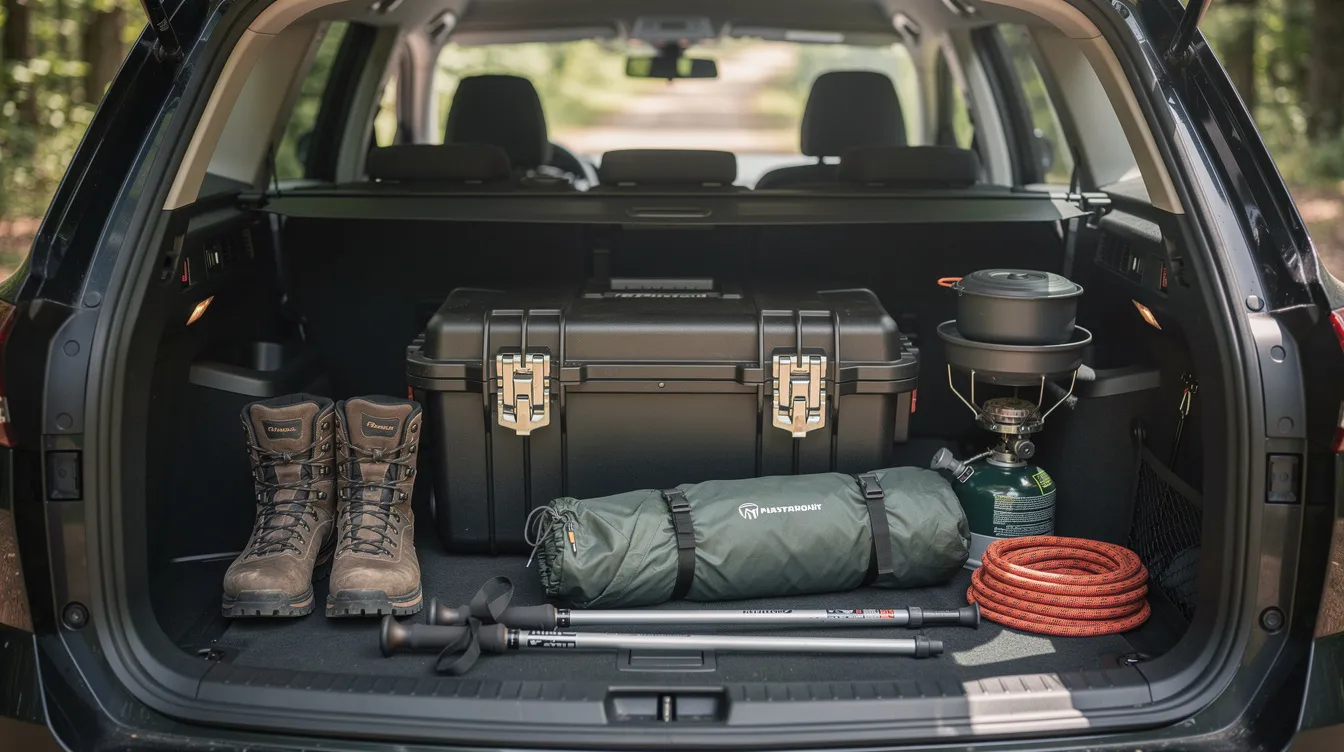
Transportation rules also matter. A concealed pistol license is usually required to carry a loaded handgun in a vehicle. There are limited exceptions, including certain situations involving lawful outdoor recreational activity, but those exceptions are narrow and fact-specific.
Travelers should also review federal law before interstate travel, airline transport, ferry travel, or shipping firearms. Rules for locked cases, ammunition, checked baggage, and temporary stops can vary.
Extreme Risk Law and Protection Orders Involving Firearms
Washington’s extreme risk law allows courts to issue Extreme Risk Protection Orders, often called ERPOs. Washington allows for Extreme Risk Protection Orders to temporarily remove firearms when a person poses a significant danger to self or others.
An ERPO may be requested by law enforcement, family or household members, and in some circumstances other eligible petitioners. Courts consider evidence such as threats, recent acts of violence, firearm access, substance abuse, and sworn statements.
If an ERPO is issued, the respondent may be required to:
-
Surrender firearms
-
Surrender a concealed pistol license
-
Stop possessing firearms
-
Stop attempting to purchase firearms
-
Avoid access to firearms under the person’s custody or control
The order may require surrender to law enforcement or a licensed dealer. Local law enforcement may serve the order and collect firearms, and the respondent may need to notify law enforcement about firearms under the respondent’s control.
ERPOs are civil orders. They do not create a criminal conviction by themselves, but violating an order can lead to criminal charges. Other protection orders, including domestic violence protection orders and stalking protection orders, can also limit the right to bear arms under Washington law.
Local Government Authority, Governing Bodies, and Preemption
Washington state preempts local firearm regulations under RCW 9.41.290. In plain English, local government cannot create its own broad gun law that regulates firearm sales, purchase rules, transfer rules, ownership, or firearm registration.
Local governments cannot regulate the sale of firearms. Local governments cannot restrict carrying firearms in most areas. That authority generally belongs to the state legislature, not cities or counties.
However, cities and counties still have limited authority. Local governments can regulate employee firearm possession at work. They may also regulate firearm discharge, manage public buildings, set policies for law enforcement, and adopt rules for specific events when state law allows it.
Open carry is banned during meetings of a local government’s governing body. A governing body can include a city council, county council, board, commission, or committee. State law may prohibit open carry at these meetings and in related meeting buildings, and local governments must post signs where open carry is prohibited.
The Washington Supreme Court’s preemption framework has also affected local safe-storage rules. In Bass v. Edmonds, courts addressed whether a city-level secure firearm storage ordinance conflicted with state preemption. The case is often cited as a warning that local firearm regulation can be invalid when it goes beyond state authority.
Local governments can still support public safety in other ways. Buy-back programs offer money or gift cards for firearms. Participation in buy-back programs is always voluntary. King County has a year-round firearm buy-back program. Buy-back events can occur at police stations or community centers. Firearms collected are either destroyed or securely stored.
Recent and Emerging Firearm Law Developments in Washington
Washington passed several major firearm laws in the last decade. Initiative 1639 raised age limits, expanded background check requirements, added training requirements for semiautomatic rifles, and created safe-storage liability. The legislature enacted additional restrictions on magazines, assault weapons, ghost guns, dealer reporting, and permits.
Here are several key developments:
|
Date |
Development |
|---|---|
|
2018–2019 |
Initiative 1639 took effect in stages |
|
July 1, 2022 |
Ban on sale, manufacture, and distribution of magazines over 10 rounds |
|
April 25, 2023 |
Assault weapons sales ban took effect |
|
July 1, 2025 |
New annual gun-trace reporting rules began for certain dealers |
|
May 1, 2027 |
Permit-to-purchase system takes effect |
Beginning July 1, 2025, certain firearms dealers must report gun trace request information when they meet statutory thresholds. Reports are generally due by March 15. These rules are part of a broader trend toward dealer oversight and sales records laws.
Washington also continues to debate new gun safety laws, community violence intervention funding, ammunition rules, taxes or fees, and stronger safe-storage measures. These debates often overlap with broader public safety topics, including laws addressing police accountability and police accountability reforms, but firearm laws remain a distinct statutory area.
Courts have upheld some Washington firearm regulations, including high-capacity magazine restrictions, though future U.S. Supreme Court rulings could affect state gun laws. Challenges to assault weapons restrictions and permit rules may continue.
Because Washington passed laws quickly in recent sessions, gun owners should use official sources. Good starting points include the Washington Attorney General firearms resources, the legislature’s RCW pages, and local agency guidance.
Practical Compliance Tips for Washington Gun Owners
Following Washington firearm laws is essential if you want to protect your ability to own, possess, and carry firearms. Small mistakes can create major consequences.
Here are practical steps:
-
Keep records. Save bills of sale, serial numbers, dealer documents, purchase dates, and CPL copies.
-
Document pre-ban items. If you own assault weapons or magazines acquired before a ban, keep proof of when and where you got them.
-
Use secure firearm storage. Locked safes, lockboxes, and cable locks help prevent unauthorized access.
-
Practice secure gun storage around children, visitors, and prohibited persons.
-
Complete safety training, even when not required. Training can help with handling, transport, storage, and use-of-force decisions.
-
Review no-carry areas before entering schools, government buildings, bars, airports, public mental health facilities, or posted events.
-
Report lost or stolen firearms promptly and cooperate with law enforcement when required.
-
If you face a protection order, criminal charge, or rights-restoration issue, speak with an attorney before possessing firearms.
Washington has a law requiring gun owners to take responsibility if a child or prohibited person accesses an unsecured firearm and uses it in a harmful or public way. This law requiring secure storage does not mandate one single device, but poor storage can still lead to criminal liability.
Also remember that firearms dealers, local police, a county sheriff, and the washington state patrol may each have different roles in processing firearm purchases, CPLs, ERPOs, or reports. When in doubt, ask the agency handling the specific process.
FAQ about Washington Gun Laws
Can I still own an assault weapon in Washington if I bought it before the 2023 ban?
Yes, in most cases. Washington’s April 25, 2023 law bans the sale, manufacture, distribution, and import of defined assault weapons, but it does not generally prohibit continued possession of lawfully owned assault weapons acquired before the ban.
Owners must still follow all other state law rules on transport, secure gun storage, prohibited locations, and firearm possession by eligible persons. Future legislation or court rulings could affect how the law is enforced.
It is smart to keep documentation showing when and where the firearm was purchased.
Do I need a concealed pistol license to keep a handgun in my home or business?
No. A concealed pistol license is not generally required to possess a handgun in your own home or fixed place of business.
A CPL is generally required when you carry concealed a pistol in public or carry a loaded handgun in a vehicle. Limited exceptions may apply, including some lawful outdoor recreational activity situations, but the exceptions are narrow.
Review RCW 9.41 before carrying outside your home or business.
How does Washington’s extreme risk law affect someone who shares a home with a gun owner?
An extreme risk protection order targets a specific person who is found to pose a significant danger. However, firearms in a shared home may be removed if they are accessible to the respondent, even if another person claims ownership.
Household members should consider locked storage, lawful temporary transfer options, and legal advice if an ERPO is requested or issued.
What happens if my background check is delayed when I try to buy a firearm in Washington?
A background check can be delayed when state or federal records are incomplete, ambiguous, or require manual review. The dealer or agency handling the check may need more time to resolve the issue.
Under the new law effective May 1, 2027, buyers must have a valid permit to purchase firearms and still undergo an additional check with at least a 10-day waiting period after the dealer’s request.
Do not try to bypass a delayed check by starting another purchase. Contact the dealer or the local law enforcement agency involved for status information.
Are there special rules for storing firearms around children in Washington?
Yes. Washington does not require one single storage method, but state law can impose criminal penalties if a child or prohibited person gains access to an unsecured firearm and uses it to cause harm, commit a crime, or display it publicly.
Practical options include locked safes, lockboxes, cable locks, and storing ammunition separately. Certified firearm safety training can also help gun owners understand child-access prevention and responsible storage.
Conclusion
Washington gun laws are complex, and the rules are still changing. The safest approach is to know the major restrictions, keep good records, complete training, and verify the law before buying, carrying, transporting, or transferring a firearm.
If your situation involves a criminal record, protection order, denied background check, firearm rights restoration, or a disputed transfer, consult a qualified Washington attorney before taking action.
Meta tags
title
Understanding Washington Gun Laws: Key Regulations You Need to Know
67/70
description
Explore essential Washington gun laws and regulations. Stay informed and navigate the legal landscape effectively. Read the article for key insights.
149/156